Post by : Sami
Al-Rahmani
Understanding Your Protein Needs: How Much Do You Require?
Protein is often misinterpreted in dietary discussions. While some individuals believe that high quantities are necessary to develop muscle, others maintain that regular meals suffice. A few are convinced that supplements are essential, while others fret about potential risks from excessive protein intake. The truth is more nuanced. Your body requires protein for crucial functions like muscle repair, hormone production, immune system support, metabolism, and overall vitality — the precise amount depends on your lifestyle, age, ambitions, and health condition. This guide elaborates on your actual protein needs, dispelling myths perpetuated by trends and marketing.
The Underrated Importance of Protein
Protein is vital for everyone, not just fitness enthusiasts.
Essential Functions of Protein
It aids in tissue and muscle repair.
It generates enzymes, hormones, and antibodies.
It helps stabilize blood sugar and curb cravings.
It boosts metabolism and promotes satiety.
A deficiency can lead to weakened performance, delayed recovery, and increased fatigue.
Your Daily Protein Requirements
Each individual's needs vary.
Standard Recommendations
Healthy adults: 0.8g per kg of body weight (minimum needed for survival).
Active individuals: 1.0–1.2g per kg.
Those engaged in strength training: 1.4–2.0g per kg.
Individuals focused on weight loss: 1.2–1.6g per kg.
Older adults (50+): 1.0–1.2g per kg due to accelerated muscle loss.
Most of us require more than just the basic 0.8g/kg, especially those who are active.
Protein Needs Based on Your Goals
Your protein intake should align with your specific objectives.
For Muscle Building
Your body needs consistent amino acids for optimal growth.
Recommended intake: 1.6–2.0g/kg.
Sufficient protein intake, evenly distributed throughout the day, facilitates faster muscle recovery and growth.
For Weight Loss
Protein plays a key role in appetite regulation, muscle preservation, and maintaining metabolism.
Recommended intake: 1.2–1.6g/kg.
A protein-rich diet can help avoid the “skinny-fat” scenario.
If You're Sedentary
The minimum level of 0.8g/kg sustains life but doesn’t promote optimal health.
Even inactive adults should target 1.0g/kg for enhanced energy and strength.
Signs of Protein Deficiency
Many are unaware of their inadequate protein intake.
Key Indicators
Fatigue and reduced stamina.
Thinning or breaking hair.
Frequent cravings and overeating.
Sluggish metabolism or weight gain.
Weak immunity leading to regular illness.
Extended muscle recovery times after regular activities.
Recognizing any of these signs may indicate the need to increase protein consumption for better health.
Is Excess Protein Harmful?
Typically, excessive protein is safe for healthy adults.
When It Might Be a Concern
Existing kidney conditions.
Insufficient water intake.
Dependence on high-fat animal proteins.
For overall healthy individuals, a higher protein diet is generally safe when balanced with hydration and vegetables.
Are Protein Supplements Necessary?
While convenient, supplements aren't strictly required.
When They Are Beneficial
Frequent meal skipping or travel.
Difficulty in meeting protein targets.
Regular weight training.
Whey, casein, and plant-based powders are useful aids, though not meal replacements.
Aim for foods to contribute at least 70–80 percent of daily protein needs.
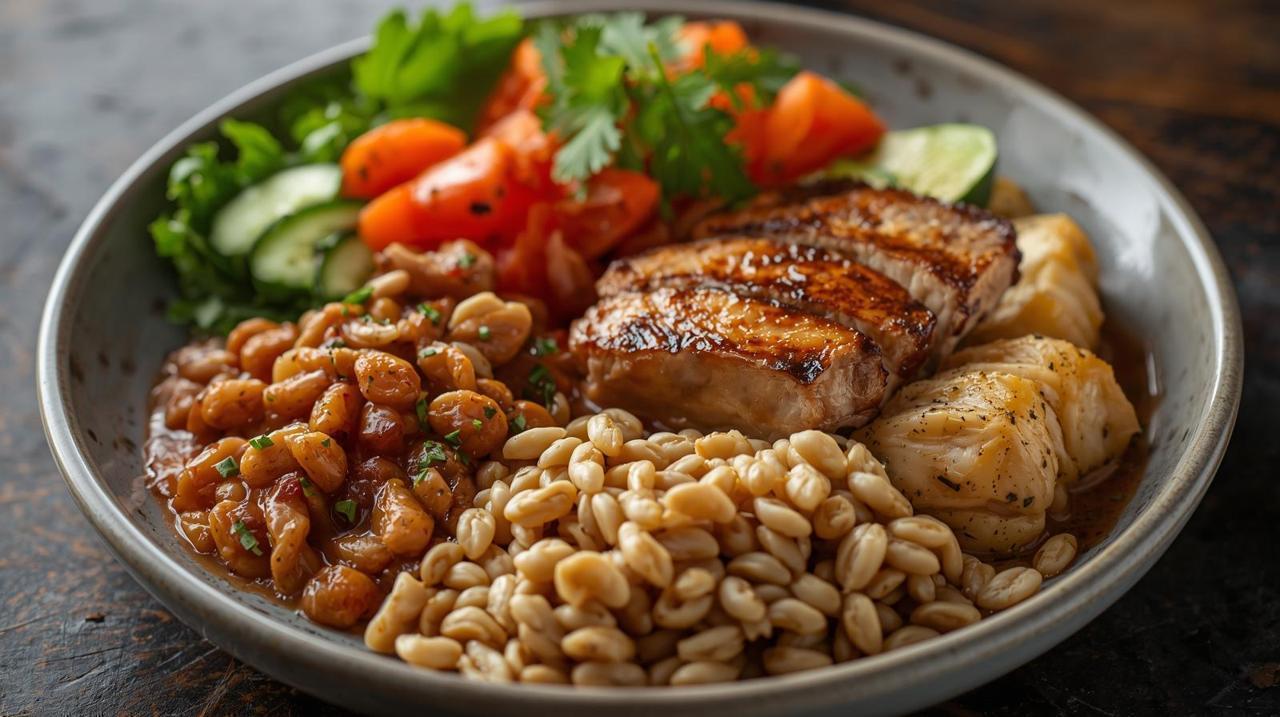
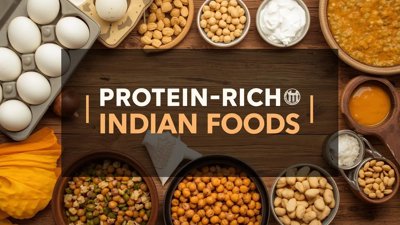
Top Protein Sources to Incorporate
Diverse sources will yield better dietary results.
Excellent Animal Sources
Eggs
Chicken and turkey
Fish (salmon, tuna, sardines)
Greek yogurt
Cottage cheese
Lean beef
Nutritious Plant Sources
Lentils
Chickpeas
Soy products (tofu, tempeh)
Beans
Quinoa
Nuts and seeds
Oats
Plant-based eaters can achieve their protein needs with proper meal planning.
Effective Distribution of Protein Intake
Your body optimally utilizes protein when spread over meals.
Recommended Eating Structure
Three main meals featuring 25–35g protein each.
One or two snacks with 10–20g protein.
Rather than consuming one heavy protein meal, aim for consistency throughout the day.
Debunking Protein Myths
Many misconceptions about protein persist.
Common Fallacies
"More protein leads to more muscle growth."
"Protein shakes are the only way to build strength."
"Vegetarians can't meet their protein requirements."
"Excess protein harms kidneys in healthy individuals."
Most of these myths arise from miscommunication and inadequate nutritional understanding.
Conclusion
While protein is vital, the optimal intake varies based on your activity level, objectives, and age. Most adults can benefit from consuming above the minimal requirements. By incorporating balanced, high-quality protein sources at each meal, you enhance metabolism, support immunity, and boost your overall energy. Whether you aim to build muscle, lose weight, or promote wellness, grasping your protein needs is essential for long-lasting strength and health.
Disclaimer
This article serves an educational purpose only and should not replace personalized health or nutrition advice. Protein requirements differ based on individual health, metabolism, and activity levels. Those with specific dietary needs or conditions should seek guidance from a qualified nutritionist or healthcare provider prior to major dietary changes.


 English