Post by : Anis
Al-Rashid
The Silent Threat of Hypertension
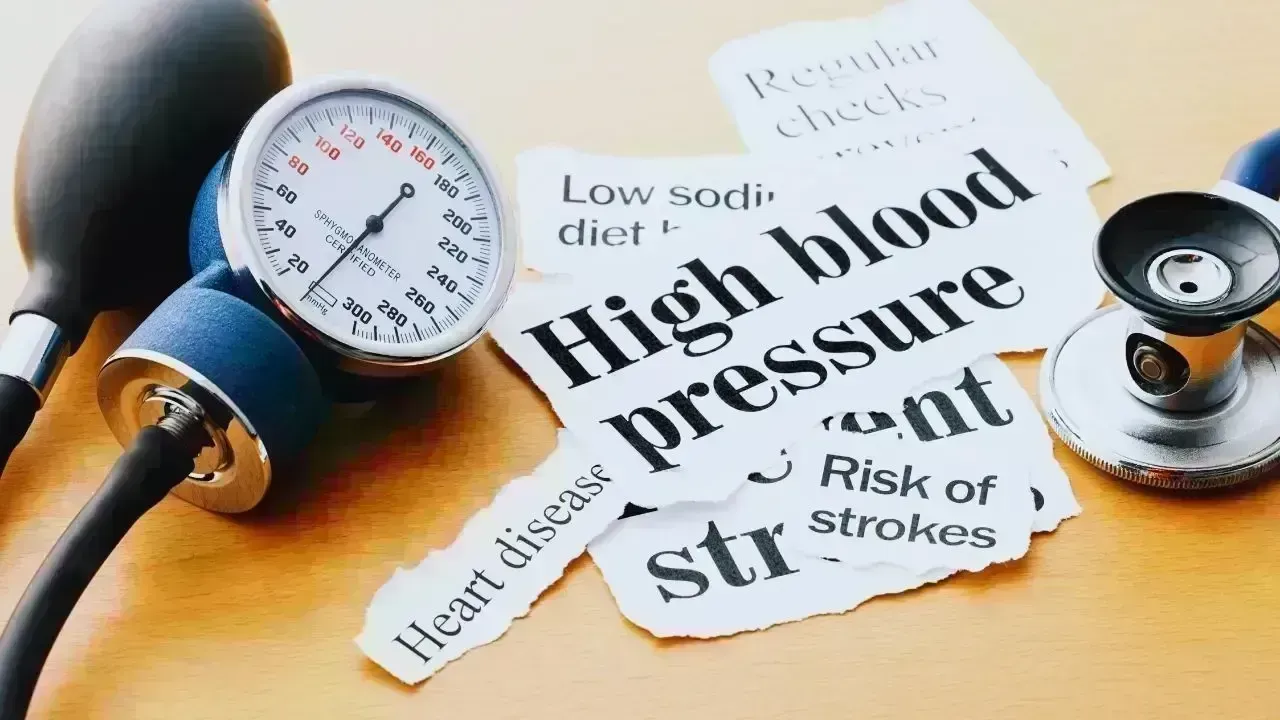
High blood pressure, often called hypertension, is a significant yet often overlooked health issue. Unlike illnesses that come with overt symptoms, hypertension can develop without any warning, silently exerting pressure on vital organs.
Many individuals may feel fine while damage accumulates over time. Often, by the time symptoms like headaches or fatigue manifest, the condition may have existed for years. This delay is not due to fear, but rather a misplaced sense of security.
Regular blood pressure readings are crucial, yet they capture only a moment in time, failing to predict future risks.
Why Conventional BP Readings Fall Short
Standard blood pressure readings represent a brief snapshot influenced by factors such as stress or activity. A patient might display normal levels during a visit but experience dangerously high readings in a normal environment.
This can lead to a false sense of security, where normal readings provide unwarranted reassurance.
Conditions like "masked hypertension" show normal levels in clinical settings while spiking in daily life, and "white coat hypertension" occurs when blood pressure rises in medical environments despite normal readings otherwise.
Traditional tests are limited; they focus solely on numbers.
They miss the underlying structural issues.
The New Scan's Unique Focus
The innovative scan being discussed goes beyond measuring blood pressure; it examines the health of blood vessels themselves.
Instead of just querying how hard blood is pushing, the scan detects existing damage by identifying early signs of arterial thickening, elasticity changes, and altered blood flow dynamics before symptoms occur.
These structural shifts often signal the onset of chronic hypertension.
Even if current readings are normal, narrowed arteries indicate sustained pressure.
This scan underscores the importance of early detection but doesn't replace traditional blood pressure measurement—rather, it enhances it.
The Importance of Early Detection
Blood pressure tends to fluctuate.
However, damaged arteries aren’t able to heal quickly.
Once an artery hardens, it affects circulation, forcing the heart to work harder, leading to increased pressure—the cycle persists. Catching these changes early allows medical intervention before severe consequences occur.
Recognizing early signs can lead to:
- Fewer strokes
- Reduced heart attacks
- Minimized kidney damage
- Lower medication requirements
- Improved long-term health
While blood pressure values may change, the damage often goes unaddressed.
The Invisible Nature of Hypertension
The human body is adept at concealing health issues.
Arteries adjust. The heart compensates. Organs adapt.
Hypertension becomes particularly hazardous because it seldom causes immediate discomfort. Symptoms arise only when a significant issue occurs, such as a vessel rupture, heart strain, or kidney impairment.
Meanwhile, life continues as normal.
Who Stands to Gain from This Screening?
This innovative scan offers promise for individuals at high risk yet showing no symptoms.
- Those with a family history of heart disease or stroke
- Individuals who are overweight or inactive
- Smokers and former smokers
- People experiencing sleep disorders
- Those under persistent stress
- Adults over 40
- Patients with borderline blood pressure readings
For these demographics, waiting for symptoms is not a guaranteed safety—it’s a risk.
Shifting Towards Prevention
The healthcare landscape is quietly transforming.
Rather than merely reacting to diseases, the focus is shifting to risk assessment.
This scan signifies a movement away from reactive healthcare toward proactive monitoring.
Recognizing vascular damage earlier doesn’t imply someone is unwell; rather, it equips them with protection ahead of potential complications.
How the Scan Could Reshape Check-Ups
Future health assessments may feature:
- Blood pressure readings
- Cholesterol levels
- Body composition metrics
- Vascular scans
- Heart rhythm evaluations
Clinicians will have a comprehensive view rather than just isolated readings.
Patients will transition from uncertainty to clarity.
The Remaining Reliance on Traditional Tests
Sometimes, medical advancements lag behind technology.
Numerous clinics still lack access to innovative scanning technology. Others hesitate until they receive formal guidelines and cost assessments.
Healthcare needs to balance innovation with patient safety.
Adaptation doesn’t happen overnight, but progress is often achieved quietly.
The Psychological Effects of Recognizing Hidden Risks
Learning about latent health risks can be unsettling.
Many would rather experience sickness than acknowledge being at risk.
Recognizing risks requires responsibility, which in turn encourages behavioral changes.
Early detection often forces individuals to confront lifestyle choices they may prefer to postpone.
However, knowledge empowers.
Without it, the silent toll continues.
Visible Damage Encourages Lifestyle Changes
Individuals tend to adhere better when tangible evidence is presented.
A numerical reading can be disregarded.
An image depicts undeniable reality.
When viewers witness arterial narrowing or compromised circulation, motivation spikes. Exercise becomes a priority. Dietary habits become purposeful. Sleep improves, and medication adherence increases.
Seeing is believing.
Implications for Public Health
If these scans become widely accessible, early interventions could significantly decrease heart-related fatalities globally. Hypertension is responsible for countless preventable deaths annually, and identifying vascular damage before it escalates could redefine preventive strategies.
Fewer emergencies in hospitals, fewer losses for families, and healthier communities could emerge from early detection and intervention.
Critical Questions Surrounding This Technology
Will these scans be affordable?
Will they reach underserved areas?
How will insurance frameworks adapt?
Could they widen disparities or help mitigate them?
Every innovation raises responsibilities.
Progress limited to urban centers is not truly comprehensive.
Conclusion
Hypertension is often a silent condition.
It advances quietly.
The potential of a ten-minute scan to uncover years of hidden damage presents an optimistic frontier in preventive healthcare.
Modern medicine is beginning to heed subtle signs rather than waiting for alarm bells.
When healthcare responds proactively...
Lives can be extended.
DISCLAIMER
This article is intended for informational purposes and is not a substitute for professional medical advice or diagnosis. Readers should consult qualified healthcare providers before making health decisions based on new medical technologies.


 English