Post by : Sami
Al-Rahmani
Wearables Reshape Health Monitoring Across the GCC
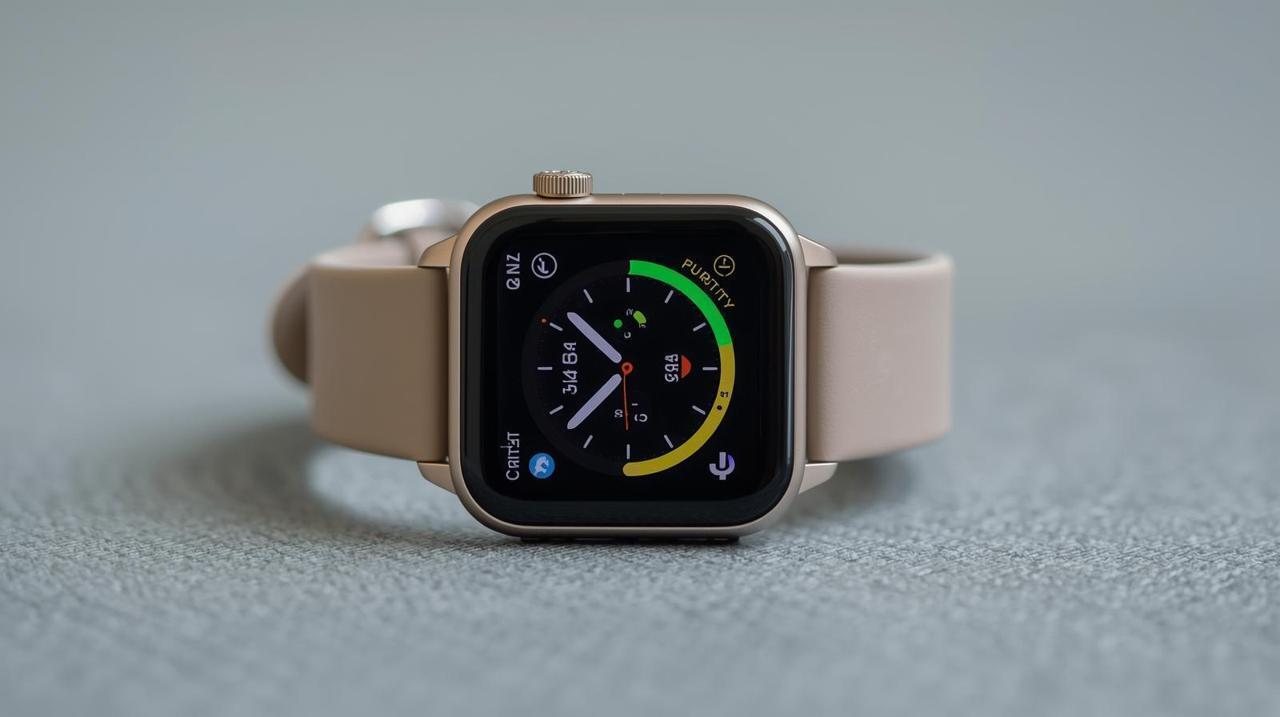
In a region focused on rapid tech adoption, wearable devices are moving beyond fitness accessories to become practical tools for everyday health management. From smartwatches and activity bands to ECG-capable gadgets and sleep trackers, these products monitor heart function, oxygen levels, stress and sleep to give users timely health information.
The Acceleration of Wearable Health Tools
Wearables are not a new idea, but improvements in sensors, artificial intelligence and live analytics have transformed them into effective health instruments. Current models from makers such as Apple, Fitbit, Garmin and Oura go well beyond step counts: they can flag irregular heart rhythms, track blood oxygen (SpO2), assess stress, and analyse sleep stages with increasing precision.
Market forecasts indicate the global wearable health device market could top $150 billion by 2028 as consumers embrace continuous, data-led care.
1. Continuous, Real-Time Monitoring
A core benefit of wearables is round-the-clock monitoring. These devices provide immediate readings of key vital signs, reducing reliance on sporadic clinical checks.
Common metrics tracked include:
-
Heart rate (HR) and heart rate variability (HRV)
-
Steps taken and calories burned
-
Oxygen saturation (SpO2)
-
Sleep duration and quality
-
Skin temperature
-
Electrocardiogram (ECG)
Immediate feedback empowers users to change behaviour in the moment—slowing exercise, taking a break, or adjusting hydration based on live readings.
2. Early Warning and Detection
Wearables are increasingly used as early-detection tools for significant health events. For example:
-
The Apple Watch’s ECG has alerted wearers to possible atrial fibrillation, prompting medical follow-up.
-
Products like the Fitbit Sense and Withings ScanWatch can surface signs of stress, fatigue or breathing irregularities.
-
Ongoing oxygen and cardiac monitoring is valuable for people with conditions such as asthma, COPD and sleep apnoea.
Detecting subtle shifts early can help prevent emergencies and lower the need for urgent care.
3. Promoting Healthier Daily Routines
Wearables act as practical motivators, turning health objectives into measurable targets with reminders, alerts and rewards. Research shows users of these devices are likelier to reach activity goals, improve diet and prioritise sleep.
Typical behaviours encouraged by wearables include:
-
Taking short breaks to stand or move each hour
-
Aiming for 7–8 hours of quality sleep
-
Meeting step or exercise targets
-
Using guided breathing and mindfulness routines
4. AI-Powered Personal Insights
AI enhances wearables by interpreting routine data and offering tailored recommendations—identifying peak performance times, stress triggers, or how food and activity affect sleep. Companies like WHOOP and Oura apply these analyses to help users optimise recovery and performance.
In clinical contexts, AI can flag patterns—such as sustained HRV declines or sudden SpO2 drops—that may indicate an emerging health risk.
5. Connecting Wearables with Clinical Care
Wearable metrics are increasingly incorporated into telemedicine and electronic health records. This connectivity enables clinicians to monitor:
Such integration supports ongoing, data-informed care rather than isolated check-ups.
6. Tracking Mental Health Signals
Modern wearables also contribute to mental health monitoring. Devices like Fitbit Sense and certain Samsung models measure electrodermal activity (EDA) to estimate stress, and they offer guided breathing and mindfulness tools to help manage anxiety. Long-term tracking can reveal personal stress patterns and triggers.
7. What’s Next for Wearables
Future wearables will expand beyond wrist devices. Expected developments include:
-
Smart textiles that monitor vital signs and posture
-
Non-invasive glucose sensing for diabetes care
-
Implantable monitoring devices for continuous organ assessment
-
Advanced predictive analytics driven by AI for earlier disease prevention
As 5G and IoT infrastructures mature across the GCC, wearables are set to become more connected, accurate and widely available—supporting healthier, better-informed communities.
8. Data Privacy and Security
The rise of wearable health data brings privacy questions. Sensitive information needs strong encryption and clear handling policies. Users should check how devices collect and share data and favour brands that provide transparent privacy practices and compliance with recognised data protection standards.
Conclusion
Wearable technology is shifting healthcare from episodic treatment toward continuous, preventive care. For GCC residents and healthcare systems alike, these devices offer timely monitoring, early alerts and personalised guidance—helping people manage health more proactively and potentially reducing pressure on clinical services.
In short: Health monitoring is increasingly portable—and often begins on the wrist.


 English