Post by : Saif
Al-Najjar
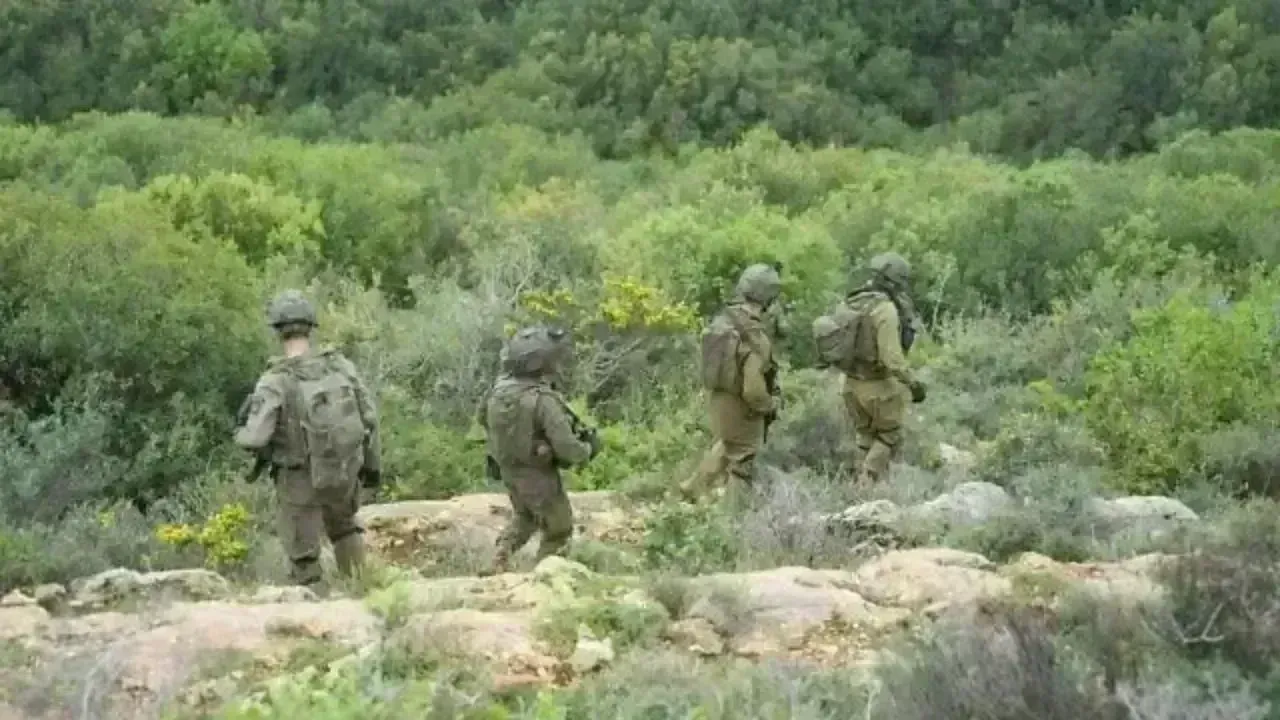
The Israel Defense Forces have stated that a ceasefire is not in effect in southern Lebanon, as hostilities with Hezbollah remain active. This assertion underscores the heightened tensions that continue to plague the region.
Israeli military confrontations with Hezbollah have escalated over recent weeks. The latest proclamation from Israeli authorities confirms that military initiatives remain operational, with no signs of a truce. This situation has heightened fears of potential escalation.
Southern Lebanon is a historically contentious area due to its proximity to the Israeli border, where Hezbollah maintains a considerable foothold. This persistent presence has often thrown the two sides into conflict, leading to a cycle of heightened tensions.
The ongoing absence of a ceasefire means military activities, including airstrikes and ground operations, continue unabated. Such actions threaten not only infrastructure but also the safety of civilians residing in the region.
For many in southern Lebanon, daily life has become increasingly strenuous amid this strife. Families endure uncertainty, fear, and disruption, as educational institutions, businesses, and public services are frequently compromised.
The international community expresses increasing concern over such ongoing hostilities. Numerous nations and global organizations have urged for peace and caution, fearing that unchecked conflict could spread throughout the region.
This situation also reverberates within neighboring countries and could destabilize the broader Middle East, impacting trade, travel, and security. Such conflicts tend to influence global markets, particularly energy prices.
Typically, diplomatic efforts emerge in times of such turmoil to alleviate tensions and pursue peaceful resolutions. However, these endeavors can be stymied by entrenched positions from both sides and persistent security dilemmas.
The Israel Defense Forces' latest announcements imply that continuing military actions are deemed essential from their perspective, while Hezbollah also maintains its operational stance, complicating potential ceasefire agreements.
Long-term consequences often accompany these conflicts. Even once hostilities cease, the task of rebuilding and restoring normalcy can be a protracted process, with a significant human toll.
The current dynamics emphasize the critical need for dialogue and peaceful negotiations. While immediate military engagements may persist, true stability can only be achieved through understanding and cooperation among the involved parties.
As the ceasefire remains elusive, the geopolitical landscape is fraught with uncertainty. The world watches intently, hoping for diminished violence and a pathway towards peace in the region.


 English