Post by : Shweta
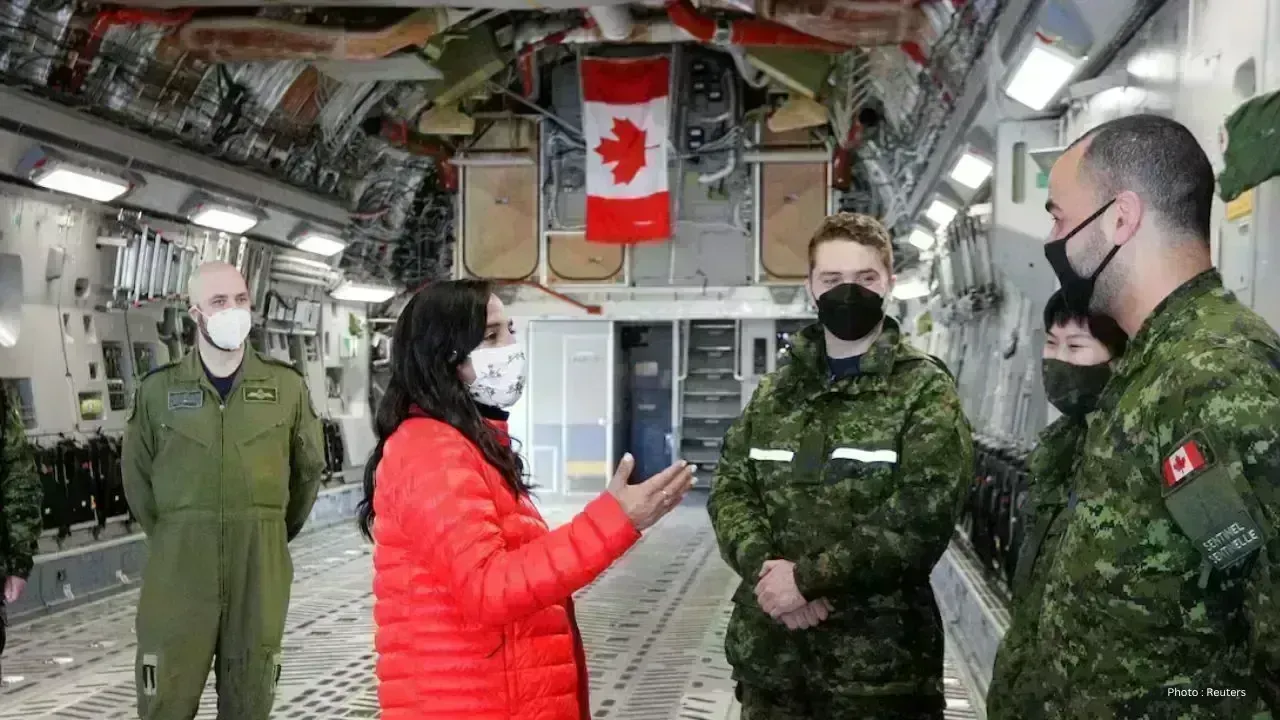
An internal report recently disclosed reveals that elements of the Canadian Armed Forces breached intelligence protocols amid the COVID-19 pandemic, leading to significant concerns regarding oversight and the safeguarding of citizen data.
The report, accessed by CBC News, details how various military units gathered information on Canadians without appropriate authorization or proper training while participating in Operation Laser—a domestic mission initiated in 2020 to aid Canada's pandemic response.
Findings indicate that some personnel utilized personal devices, private internet connectivity, and personal social media for monitoring public sentiments online. Platforms like Twitter, Facebook, and Instagram were used to trace discussions surrounding COVID-19 and military involvement. However, activities often surpassed necessary data collection for the mission.
Experts highlight a lack of structure and oversight in the operation. Wesley Wark criticized the initiative, stating it was poorly conceived and executed, suggesting it should not have occurred in its initial form. He mentioned that many personnel were untrained in intelligence tasks, often unaware of legal boundaries.
Key concerns included some units failing to adhere to basic intelligence protocols. This entailed neglecting the deletion of collected data about Canadians when mandated and inadequately logging information. There was also improper use of monitoring tools, as some teams ventured beyond pandemic-related topics, tracking movements like Black Lives Matter, which fell outside their intended mission.
The report also discovered that some units bypassed directives to utilize official systems, using personal accounts instead, which heightened the risk of exposing sensitive information. Furthermore, essential risk assessments were not conducted, further compromising mission integrity.
Controversy surrounding these actions traces back to 2020, when anxieties were initially expressed regarding military influence campaigns aimed at shaping public opinion during the pandemic. Despite former Chief of Defence Staff Jonathan Vance instructing a halt to certain activities, parts of the operation reportedly persisted for months.
Analysts argue that this situation has eroded public confidence and unveiled weaknesses in the legal structures regulating military intelligence in Canada. The ongoing concerns reflect that similar problems could reoccur, as recommendations for clearer regulations have yet to be fully executed.
The Department of National Defence has not made a public statement regarding this report. Meanwhile, experts are advocating for enhanced accountability, refined regulations, and improved oversight to guarantee that intelligence operations uphold privacy rights and conform to legal standards.


 English