Post by : Mikhael
Al-Saeed
Egg vs. Paneer: A Simple Guide to Choose the Healthier Option
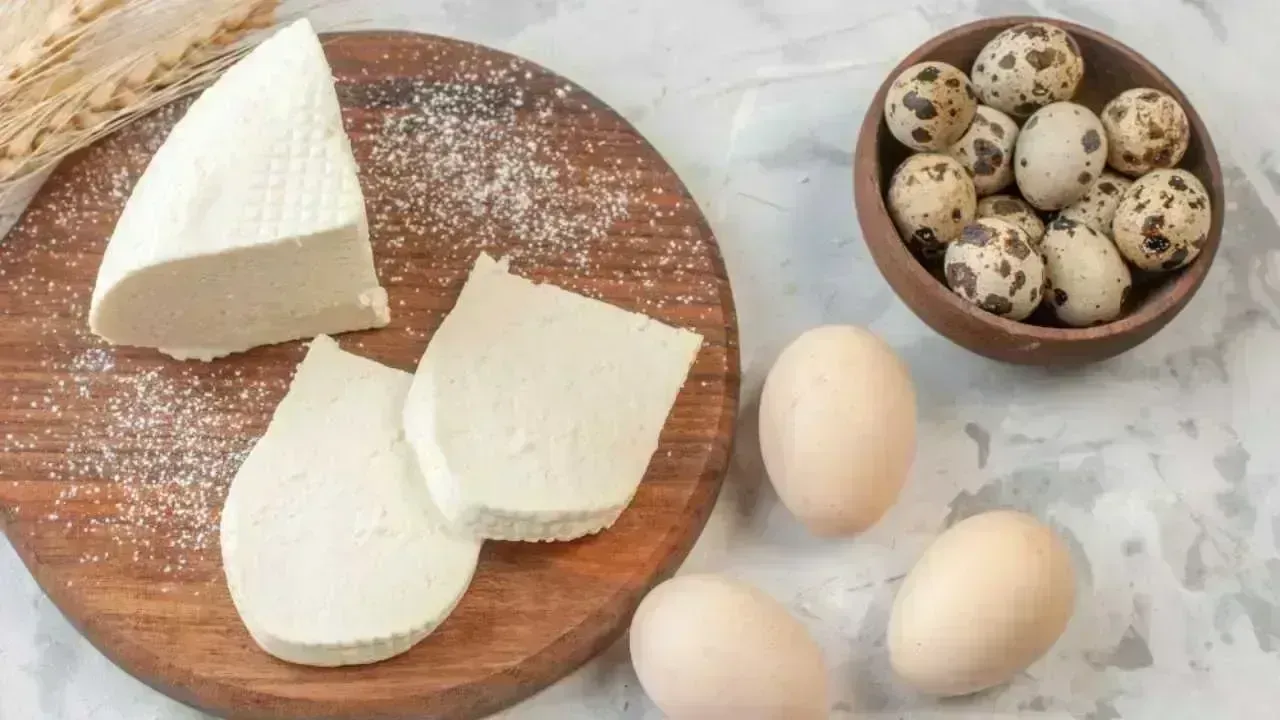
Egg and paneer are staples in many households. Both are affordable, nutritious, and easy to prepare, making them great choices for any meal. This leads many to ask: Which food is the better choice — egg or paneer?
While both are healthy, their benefits vary based on individual health goals, age, and nutritional needs. Some may focus on weight loss, while others may aim to build muscle or provide essential nutrition for growing children. This convenient overview makes it clear to help readers find the right option for their dietary preferences.
Nutritional Comparison: What Each Food Provides
Knowing the nutrient profile of egg and paneer can simplify your meal planning.
1. Protein Content
A crucial element for recovery and satiety.
-
Egg: An egg packs around 6–7 grams of protein, which is easily absorbed by the body.
-
Paneer: 100 grams provides about 14–18 grams of protein.
Who excels?
Paneer offers more protein per serving, whereas the protein from eggs is digested quicker.
2. Fat and Caloric Intake
Calorie counts can influence weight management decisions.
Who wins?
Eggs are more suitable for low-calorie diets while paneer can be more satisfying.
3. Mineral and Vitamin Content
Both foods offer valuable nutrients.
Eggs provide:
-
Vitamin B12
-
Vitamin D
-
Iron
-
Choline
-
Selenium
Paneer offers:
-
Calcium
-
Phosphorus
-
B vitamins
-
Healthy fats
Who excels?
Eggs boost brain function and immunity while paneer enhances bone strength and muscle recovery.
Egg Health Benefits
Known as a "complete food," eggs offer a variety of essential nutrients.
Benefits include:
1. Strengthens Immunity
They contribute to the body’s defense against illness.
2. Enhances Brain Development
Choline aids in cognitive functions.
3. Facilitates Muscle Recovery
Egg protein supports athletes and strength training.
4. Aids Weight Management
Eggs keep hunger at bay, assisting in dietary control.
Paneer Health Benefits
Paneer serves as a valuable vegetarian protein source.
Benefits include:
1. Promotes Strong Bones
Rich in calcium and phosphorus for optimal bone health.
2. Aids Muscle Formation
Slow digestion offers a sustained protein supply.
3. Gentle on the Stomach
Easily digestible and versatile in cuisine.
4. Sustains Energy Levels
Long-lasting energy without rapid fluctuations.
Which Is Better for You: Egg or Paneer?
Choosing the right option depends on specific needs:
1. Ideal for Weight Management
Eggs are preferable.
Fewer calories result in better satiety. Paneer can assist too but should be consumed in moderation.
2. Best for Building Muscle
Both excel in unique ways:
Best option:
Combining both yields optimal outcomes.
3. Perfect for Vegetarians
Paneer stands out as the main vegetarian protein source.
4. Suited for Children
Both foods provide significant benefits:
Moderate consumption of both is safe for children.
5. For Cholesterol-Conscious Individuals
Seek guidance from healthcare professionals regarding personal dietary choices.
Cooking Versatility and Flavor
Eggs and paneer complement various cuisines.
Eggs can be used in:
-
Omelettes
-
Hard-boiled eggs
-
Scrambled eggs
-
Curries
-
Sandwich recipes
Eggs cook quickly, making them ideal for busy schedules.
Paneer can be found in:
-
Curries
-
Grilled recipes
-
Salads
-
Appetizers
-
Stuffed breads
It adapts well to Indian, Middle Eastern, and global dishes.
Both are readily available in grocery and convenience stores.
In Conclusion: Egg or Paneer?
Neither option is strictly better; each presents its benefits.
Choose Eggs If You Want:
Choose Paneer If You Want:
The Best Overall:
A balanced approach including both foods is often beneficial.
Eggs and paneer are nutritious additions to meals, providing various health benefits from strength to immunity. Eggs are excellent for those focusing on weight loss, while paneer serves those needing additional protein and strong bones. Given their affordability and ease of preparation, including both foods based on personal preference is feasible for most households.
The choice between egg and paneer should be based on individual dietary needs rather than choosing one over the other.
Disclaimer
The information presented here is for general awareness and educational purposes. Individual nutritional requirements and health conditions vary. While eggs and paneer may benefit some, they might not suit everyone, especially those with allergies or dietary restrictions.
Consult a healthcare provider or certified nutritionist for personalized dietary advice, especially concerning cholesterol, heart health, digestion, or specific medical conditions.
Do not supplant expert medical advice with online content. Always follow your healthcare provider's recommendations for safe dietary choices.


 English