Post by : Mikhael
Al-Saeed
Eliminate Winter Flakes: 4 Effective Strategies for Dandruff Relief
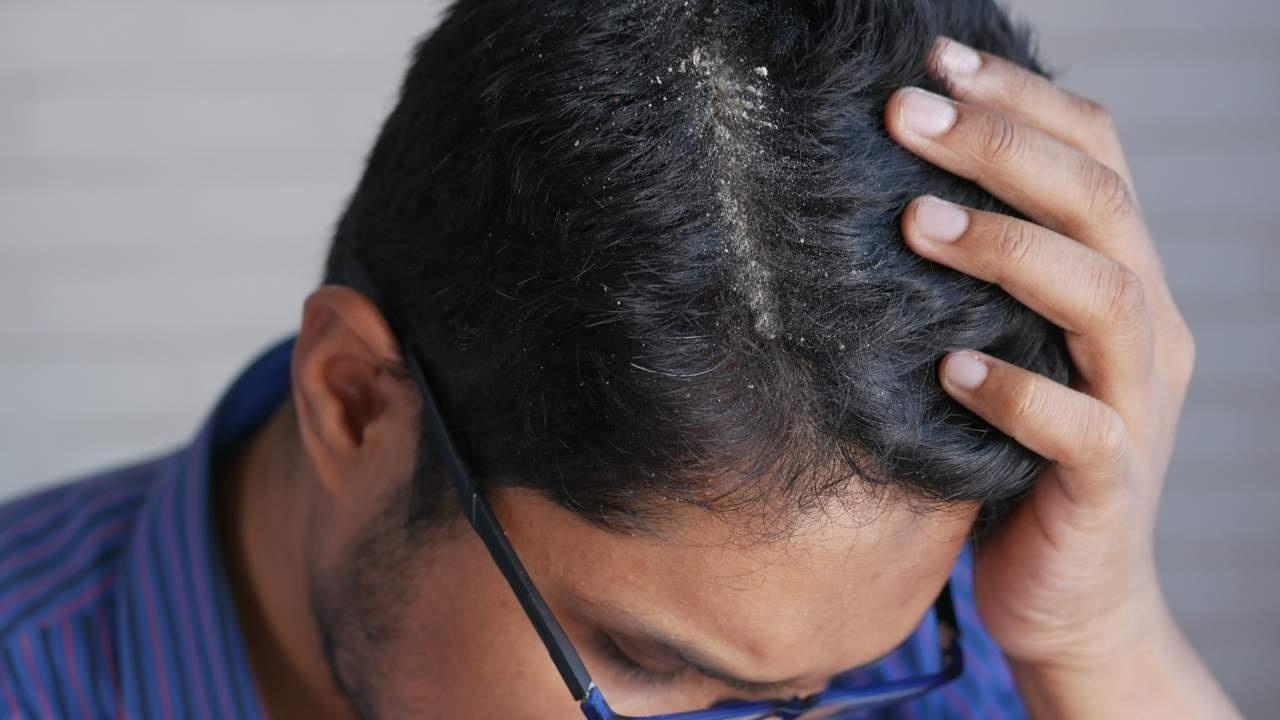
With winter's chill comes the comfort of warm clothes and cozy evenings, but it also introduces the annoyance of dandruff. As temperatures decline, many find themselves battling white flakes and an itchy scalp, a condition that can be both irritating and socially embarrassing.
According to dermatologists, wintertime dandruff isn't about hygiene; it's largely due to environmental factors. The cold weather and indoor heating sap moisture from your scalp, while hot showers and strong shampoos exacerbate the issue. The result? A scalp that is dry, flaky, and often irritated.
The positive aspect is that you can effectively manage dandruff from home. By adopting a few minor adjustments to your routine, you can bring back scalp health and enjoy winter without the worry of flakes.
What Makes Dandruff Worse During Winter?
To effectively tackle the issue, it's wise to understand its causes.
1. Low Humidity Levels
As temperatures decrease, humidity also plummets. The dry outdoor air, combined with heated interiors, extracts moisture from your skin and hair, leading to a flaky and itchy scalp.
2. Hot Shower Consequences
A hot shower feels inviting when it's cold outside, but it strips your scalp of essential oils. A lack of these oils results in increased dryness and flakiness.
3. Yeast Growth Spike
Every scalp has a natural yeast, Malassezia. While usually harmless, it thrives in dry conditions and can worsen dandruff symptoms.
4. Tight Headgear
Wearing hats or scarves for extended periods can trap heat and moisture, fostering the growth of dandruff-related microorganisms.
Hence, while you might enjoy winter, it can be unkind to your scalp.
4 Effective Strategies to Combat Winter Dandruff
1. Moisturize Your Scalp
Your scalp requires as much attention as your skin in winter.
How to achieve this:
-
Heat two to three tablespoons of coconut or olive oil.
-
Gently massage into your scalp for 5–10 minutes.
-
Let it sit for an hour or overnight.
-
Wash your hair with a mild shampoo.
-
Repeat two to three times weekly.
Why this works:
Coconut and olive oils help to restore moisture and alleviate itchiness, also boasting natural antifungal properties against dandruff.
2. Select the Right Shampoo
The right shampoo can make a notable difference. Steer clear of harsh formulations, and opt for a gentle anti-dandruff shampoo.
Key ingredients to consider:
-
Zinc Pyrithione: Addresses bacteria and fungus.
-
Ketoconazole: Regulates dandruff-causing yeast.
-
Salicylic Acid: Eliminates dead skin flakes.
-
Tea Tree Oil: Calms the scalp and minimizes irritation.
Tip:
Limit hair washing to two or three times weekly in winter to prevent dryness.
3. Nourish Your Scalp Through Diet
Include foods such as:
-
Omega-3 fatty acids from fish, walnuts, and flaxseeds to help retain moisture.
-
Vitamin B and Zinc for improved scalp health.
-
Ample water to keep both your body and scalp hydrated.
Foods to avoid:
Eating a balanced diet is essential for scalp and hair well-being.
4. Shield Your Scalp from the Cold
Your scalp needs as much protection from winter as your skin.
Steps to follow:
-
Opt for soft, breathable hats or scarves made of cotton or wool blends.
-
Keep them clean to eliminate oil and sweat.
-
Avoid close-fitting headgear that holds in moisture and heat.
Bonus tip:
Use lukewarm water for washing your hair and finish with a cool rinse to seal in moisture.
Natural Remedies That Work
If you’re inclined towards natural solutions, consider these effective home treatments.
-
Aloe Vera Gel: Apply fresh gel to your scalp for 20 minutes before washing to reduce flakes.
-
Apple Cider Vinegar: Combine one part vinegar with two parts water and use as a scalp wash for 10 minutes to balance pH levels.
-
Yogurt and Lemon Mask: Mix two tablespoons yogurt with one teaspoon lemon juice, apply for 30 minutes, then rinse to nourish your scalp.
Try these remedies weekly for optimal results.
When to Consult a Dermatologist
If dandruff persists, flaking thickens, or you experience redness or hair loss, it's time to see a dermatologist. These symptoms might indicate conditions like seborrheic dermatitis or eczema, which warrant medical attention.
A dermatologist can provide specialized shampoos and treatments for swift recovery.
Your Essential Winter Hair Care Guide
-
Massage oil into your scalp 2-3 times a week.
-
Choose a gentle anti-dandruff shampoo.
-
Avoid extremely hot showers.
-
Maintain a diet rich in vitamins and Omega-3s.
-
Keep your scalp cozy, steering clear of overheating.
Trails these steps over the next few weeks to significantly reduce flakes and irritation, resulting in a calm scalp and vibrant hair.
While winter dandruff can be bothersome, managing it is straightforward once you grasp its causes. The fundamental principle is consistent scalp hydration, cleanliness, and protection, akin to the care you offer your skin. A little attention will yield significant benefits.
Implement these recommendations, and you’ll enjoy winter without the embarrassment of flakes or discomfort. Healthy, shiny hair begins with a well-maintained scalp.
Disclaimer
This article is intended for informational purposes only and should not serve as a substitute for professional medical advice. Results may vary among individuals. If you face enduring dandruff, severe itching, redness, or hair loss, consult a qualified dermatologist for tailored treatment.


 English