Post by : Raina
Al-Fahim
On Thursday night, European Union leaders reached an agreement to assist Ukraine with its financial needs for the next two years. However, they opted against releasing billions of euros in frozen Russian assets intended to bolster the country’s defense. This decision emerged from lengthy discussions in Brussels, underscoring the complex legal and political issues surrounding the use of frozen Russian funds as reparations amid the ongoing conflict with Russia.
The initiative to unlock €140 billion in frozen Russian assets held at Euroclear in Belgium has been postponed until December. Belgian officials raised concerns regarding potential legal repercussions, preventing any immediate action. Instead, EU leaders requested the European Commission to explore alternatives for funding based on Ukraine’s existing and anticipated financing requirements. Officials reiterated that Russian assets must remain unutilized until Moscow concludes its aggressive actions and compensates Ukraine for the resulting damages.
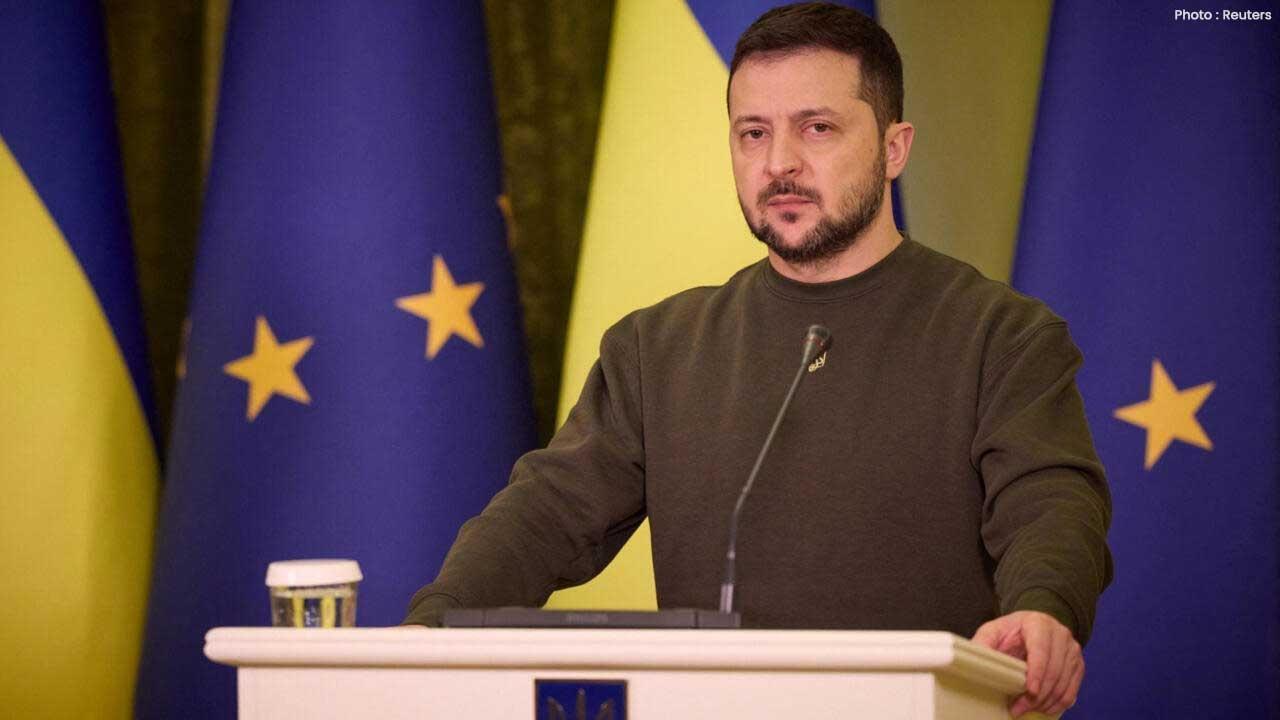
European Commission President Ursula von der Leyen characterized the matter as “complex” and indicated that several aspects needed clarification before any funds can be allocated. Despite the rescheduling, EU leaders remain committed to covering Ukraine’s financial necessities over the next two years. European Council President Antonio Costa remarked, “Russia ought to take note: Ukraine will have the financial resources necessary for its defense.” Ukrainian President Volodymyr Zelensky lauded the move as a significant political backing from the EU.
The summit preceded a London meeting, where UK Prime Minister Sir Keir Starmer is expected to advocate for increased long-range missile supplies to Kyiv. The EU talks also coincided with additional sanctions targeting Russia’s oil revenue, meant to restrict Moscow’s ability to finance its military efforts. Analysts argue that the EU’s financial assistance for Ukraine and sanctions against Russia represent complementary strategies to bolster Ukraine’s defense while applying economic pressure on Russia.
Legal challenges pose significant obstacles to using frozen Russian assets. Belgium, particularly, expressed worries about possible lawsuits should these funds be redirected. Belgian Prime Minister Bart De Wever highlighted the uncertain nature of this approach, cautioning that it might expose Euroclear to litigation and potentially trigger a financial crisis. Meanwhile, Russia condemned the EU’s proposals, with spokeswoman Maria Zakharova warning of a “painful response” to any confiscatory actions.
This EU decision follows recent sanctions from the U.S. targeting Russia’s oil sector, specifically Rosneft and Lukoil. Combined with EU actions against Chinese companies purchasing Russian oil, these measures aim to reduce Moscow’s revenue while demonstrating international solidarity in support of Ukraine. Despite these pressures, Russia claims that sanctions may bring “certain consequences” but will not severely impact its economic stability.
As EU leaders prepare to revisit the issue of frozen Russian assets in December, efforts will continue to ensure Ukraine’s financial demands are met, all while adhering to legal and diplomatic safeguards. This commitment underscores Europe’s resolve to back Kyiv in its ongoing struggle, despite the persistence of political and legal hurdles that complicate the potential reparations from Russia.


 English