Post by : Mariam
Al-Faris
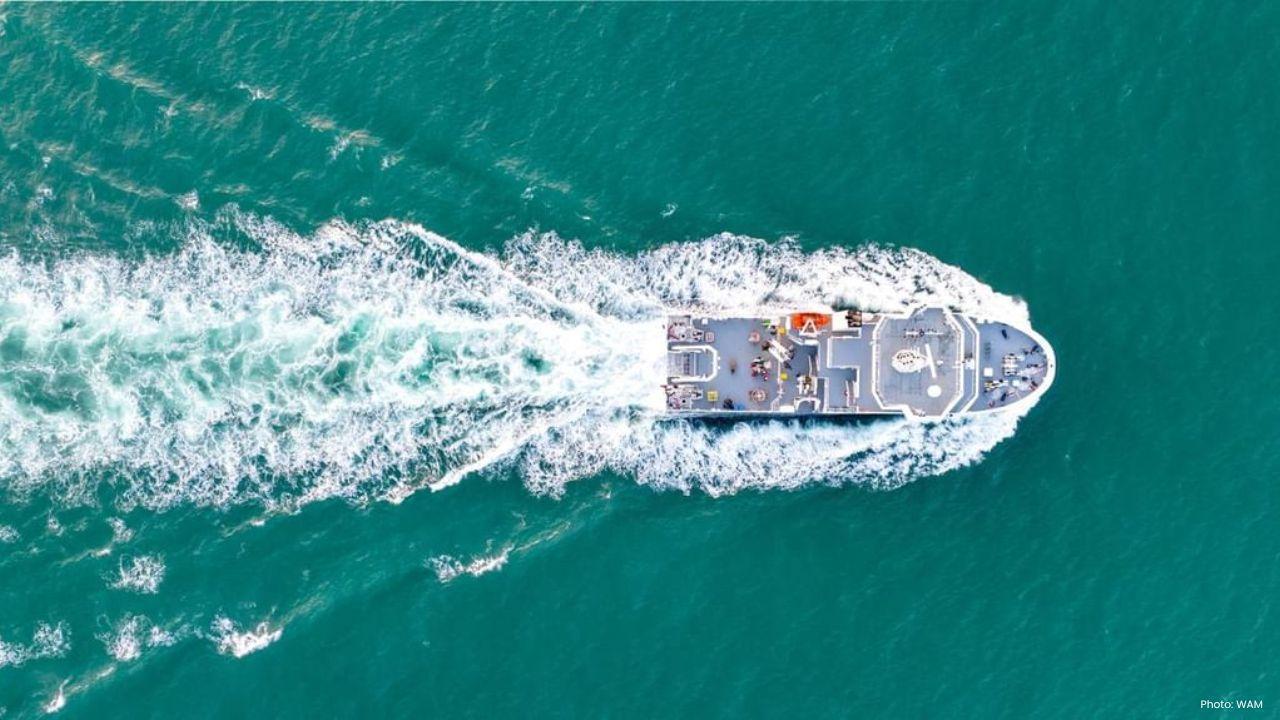
The Environment Agency – Abu Dhabi (EAD) and New York University Abu Dhabi (NYUAD) conducted an extensive research expedition aboard EAD’s oceanographic vessel Jaywun. The studies aimed to understand how microbes interact in marine ecosystems and how these systems remain productive under climate change and other environmental pressures. Preliminary findings highlight promising signs of resilience in the Arabian Gulf, providing valuable insights into its adaptability.
The research covered 2,674 nautical miles over 46 days, with a team of 10 scientists collecting more than 2,500 water samples from 34 designated locations. The study focused on nutrient distribution, oxygen levels, and phytoplankton productivity—key indicators of the marine ecosystem’s health and ability to sustain life.
All sampling stations showed stable and low nutrient concentrations, a characteristic of the southern Arabian Gulf’s low-nutrient (oligotrophic) waters. Natural factors such as low rainfall and weak ocean currents limit nutrient inflow. Yet, the ecosystem compensates through specialised microorganisms that break down organic matter into nutrients, supporting phytoplankton growth and overall productivity.
Despite limited nutrients, phytoplankton abundance was surprisingly high. Chlorophyll concentrations ranged from 5 to 20 micrograms per litre, far exceeding typical values in the Red Sea and Mediterranean. Some sites recorded densities up to 692,000 cells per litre, with an average of 219,000 cells per litre, demonstrating strong biological productivity in nutrient-poor waters.
The study detected occasional hypoxia (low oxygen) zones at deeper offshore locations during extreme summer conditions. This underscores the importance of ongoing monitoring to understand potential climate change impacts on the UAE’s marine ecosystems.
Mohamed Hasan Almarzooqi, Director of Marine Biodiversity Division at EAD, stated that the findings reaffirm the Gulf’s ecological adaptability and the value of collaboration with academic institutions like NYUAD. He emphasized the importance of understanding ecosystem productivity in arid, nutrient-scarce environments to guide conservation and policy decisions.
Shady Amin, Co-principal Investigator at the Mubadala ACCESS Center and NYUAD Associate Professor, highlighted that the research is establishing a scientific baseline for the Arabian Gulf, revealing ecosystem resilience and ensuring the region becomes one of the most studied and understood seas in the world.
The Jaywun expeditions contribute to EAD’s broader objectives of strengthening climate resilience, guiding environmental policies, and supporting sustainable development. The research informs marine conservation strategies and helps policymakers make evidence-based decisions to protect the Gulf’s ecosystems.
The Jaywun vessel serves as a cutting-edge research platform enabling local and international scientists to conduct advanced field studies. It exemplifies successful collaboration between EAD and academic institutions, fostering deeper environmental knowledge and supporting science-based conservation and policy initiatives.


 English