Post by : Shweta
The escalating crisis concerning Iran has thrust the Gulf monarchies into a challenging strategic landscape, necessitating a careful equilibrium between security, economic viability, and diplomatic relations. Nations such as Saudi Arabia, the UAE, Qatar, Bahrain, Kuwait, and Oman are grappling with heightened pressures as tensions among Iran, the United States, and Israel reverberate throughout the Middle East.
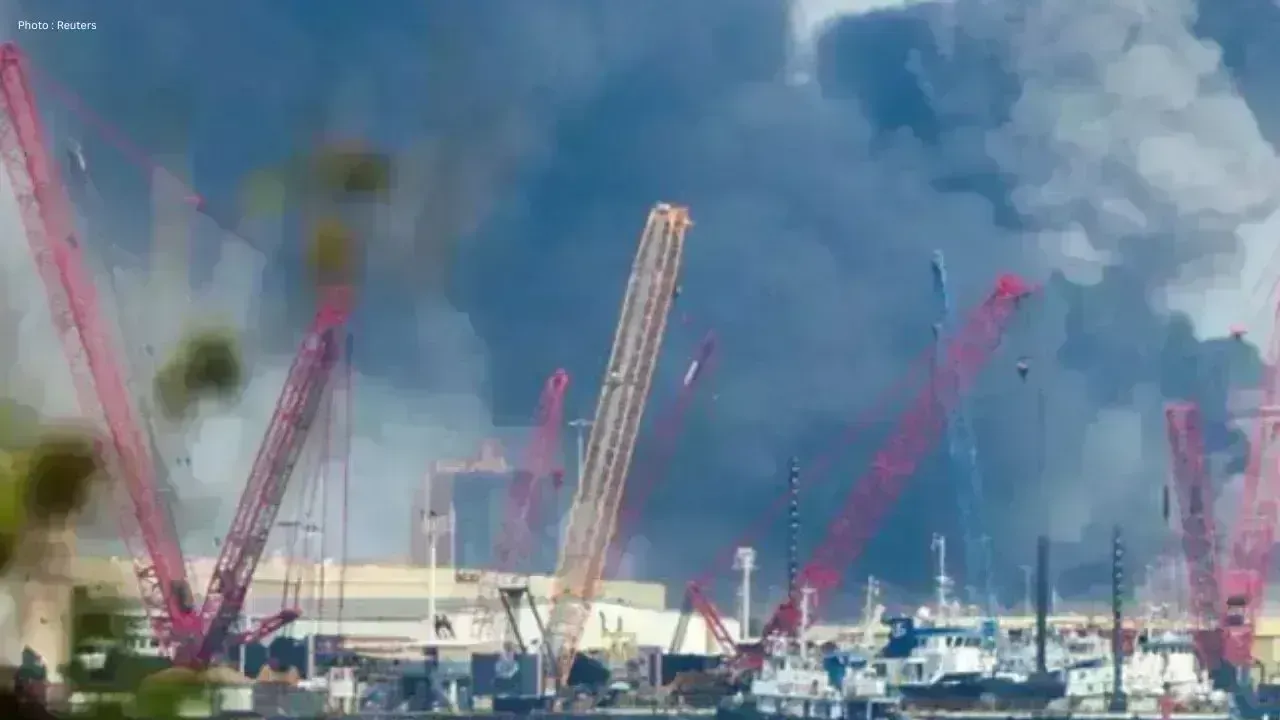
This conflict has introduced substantial unpredictability in the Gulf region, particularly with military engagements, naval blockades, and assaults related to the Iran situation disrupting crucial trade and energy pathways. Historically, these monarchies have relied on strong security ties with the United States, yet they also hold significant geographic and economic ties with Iran. This duality complicates their positions, as overly endorsing one side poses substantial risks to national stability.
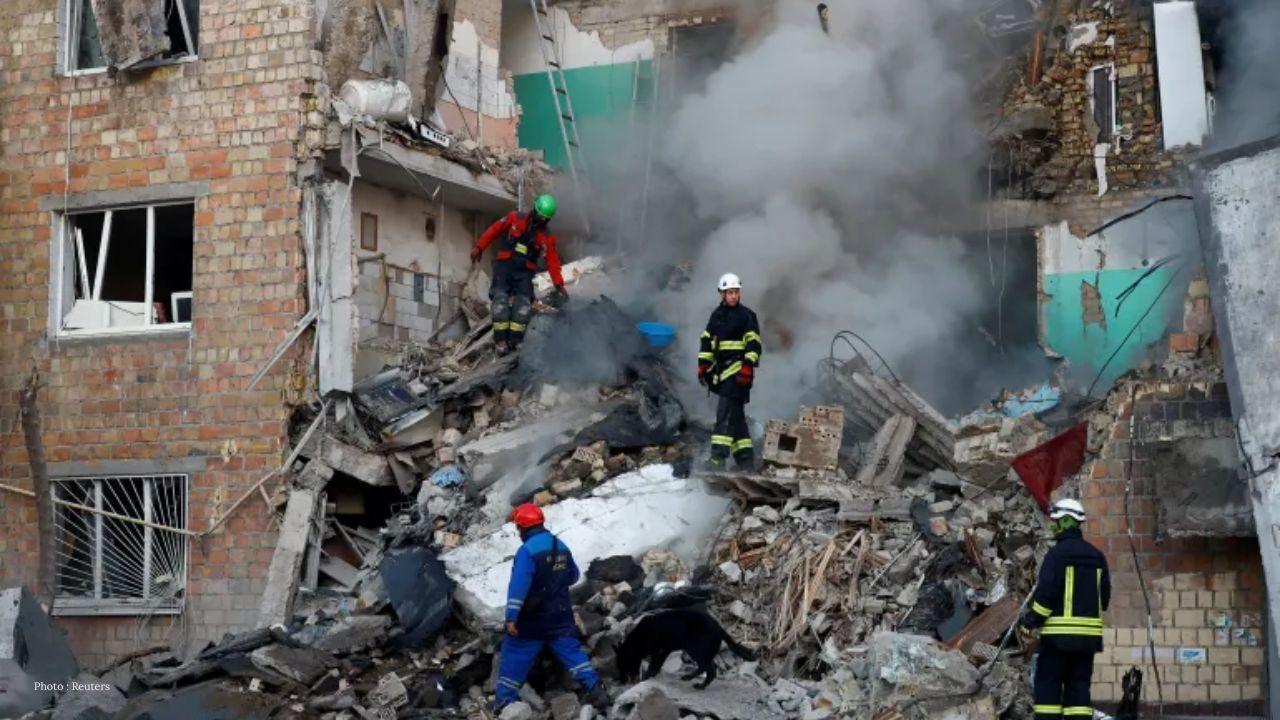
Regional analysts indicate that Gulf states are mostly steering clear of direct engagement in the conflict. Nations like Saudi Arabia, Qatar, and the UAE are emphasizing diplomatic efforts and advocating for de-escalation, rather than actively participating in military endeavors. Nevertheless, despite their cautious stance, several countries have experienced security threats, including missile and drone strikes aimed at energy facilities, airports, and civilian locales.
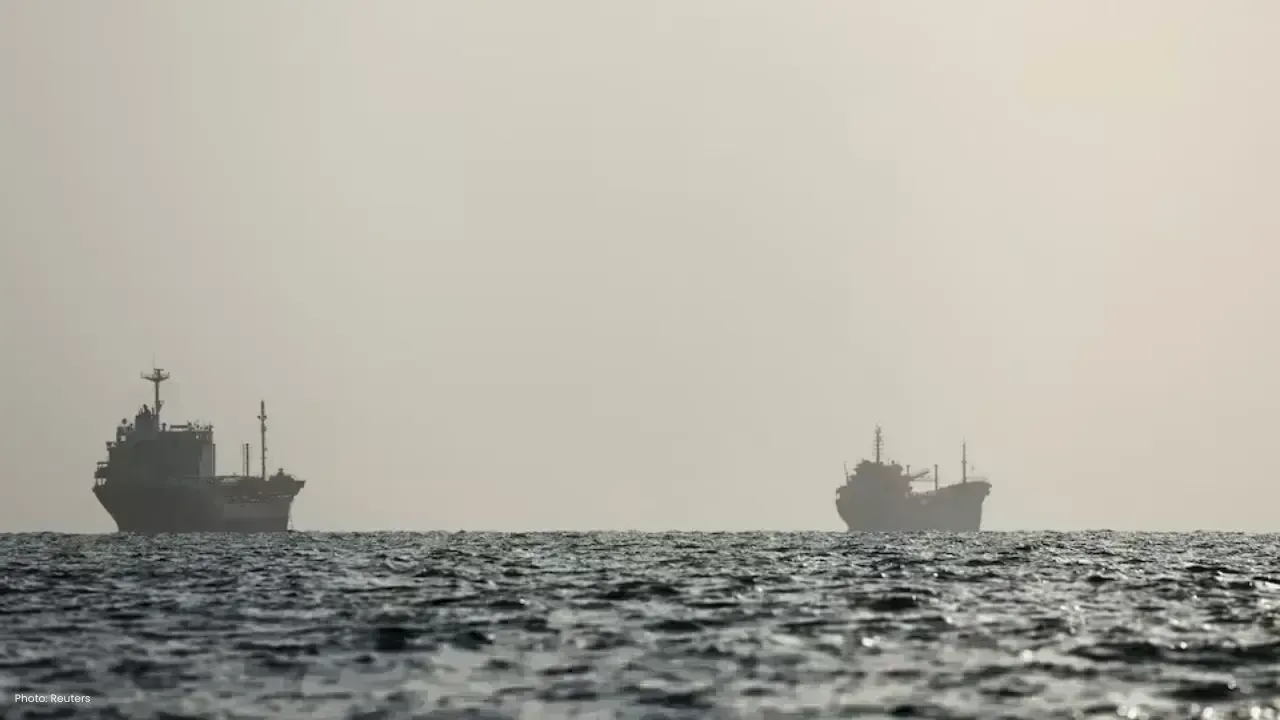
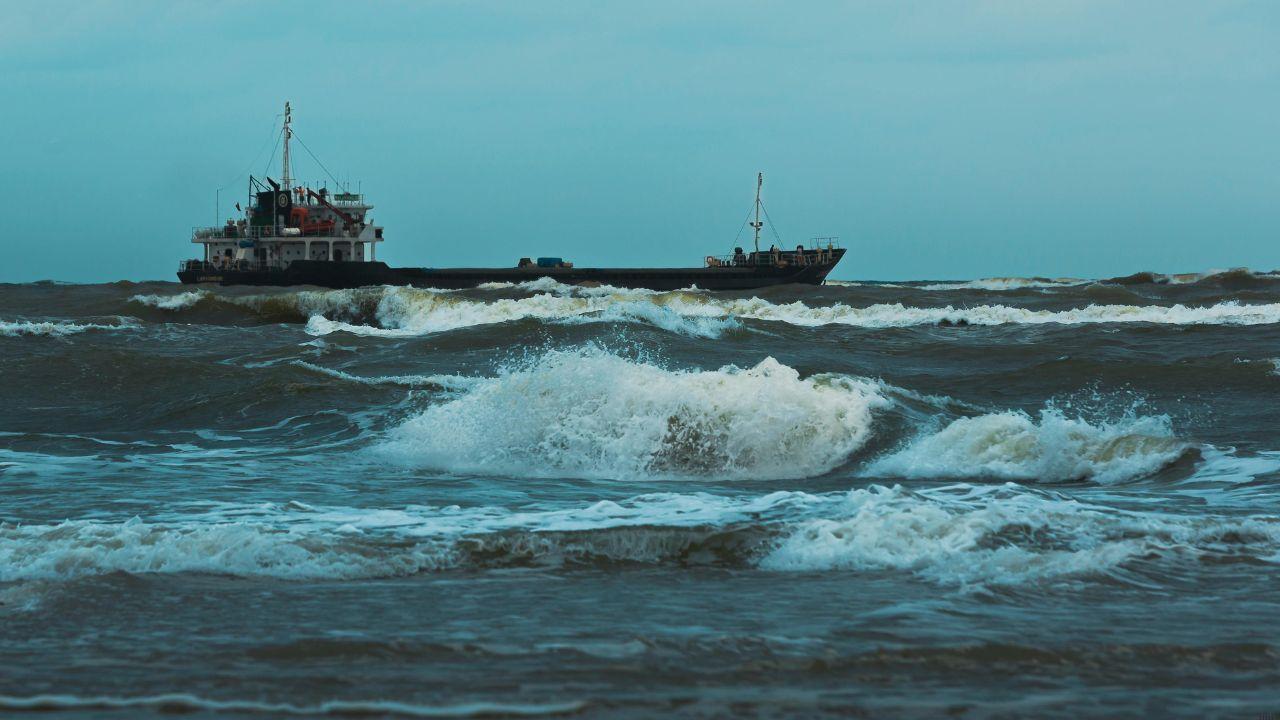
A critical worry for Gulf monarchies centers around the instability surrounding the Strait of Hormuz, a pivotal shipping route for global oil and gas exports. Approximately 20% of the world’s energy shipments traverse this narrow passage, underscoring the region’s significance to the global economy. Recent conflicts and naval limitations have already curtailed shipping operations, leading to sharp increases in global oil prices.
The economic repercussions of the crisis are increasingly grave for Gulf nations. Although soaring oil prices may provide a short-term boost in revenues for some, the extensive economic damage resulting from instability, decreased tourism, shipping interruptions, and investor trepidation is inflicting long-term stress. As per recent reports by Reuters, the Gulf Cooperation Council economies are encountering their most severe economic challenges since the COVID-19 pandemic, largely due to ongoing regional tensions.
Security analysts caution that Gulf monarchies are becoming increasingly exposed as the conflict drags on. It has been reported that a significant portion of their missile defense capabilities has been employed to counter Iranian threats. Experts express concern that this overreliance on defensive systems could undermine their regional security capabilities should the conflict escalate further.
On the diplomatic front, Gulf nations endeavor to sustain ties with both Washington and Tehran. Oman has been proactive in facilitating negotiations and mediations between the U.S. and Iran, while other Gulf states are advocating for regional dialogue and peaceful solutions. Nonetheless, experts note that the ongoing war has highlighted the limitations of Gulf monarchies, as pivotal military commands remain under the purview of larger global players.
The crisis is prompting a reevaluation of regional security approaches. Analysts suggest that Gulf monarchies may gravitate towards enhanced collective defense strategies and deeper cooperation within the Gulf Cooperation Council framework. Some experts argue the situation is illustrating that exclusive reliance on external powers for security is becoming insufficient amid an increasingly volatile Middle East.
Meanwhile, Iran is signaling its ambition for a more prominent role in Gulf security dynamics. Iranian officials have recently asserted their intent to expand their control over the security environment surrounding the Strait of Hormuz, following conflicts with the U.S. and Israel, raising alarms among Gulf monarchies about shifts in regional power dynamics.
In sum, the ongoing Iran crisis has created an intricate strategic quagmire for Gulf monarchies, compelling them to safeguard their economic interests, sidestep direct military entanglements, foster international relations, and ensure internal stability simultaneously. As tensions persist across the Middle East, Gulf leadership is bracing for increasingly complex political and security choices in the months ahead.


 English