Post by : Shweta
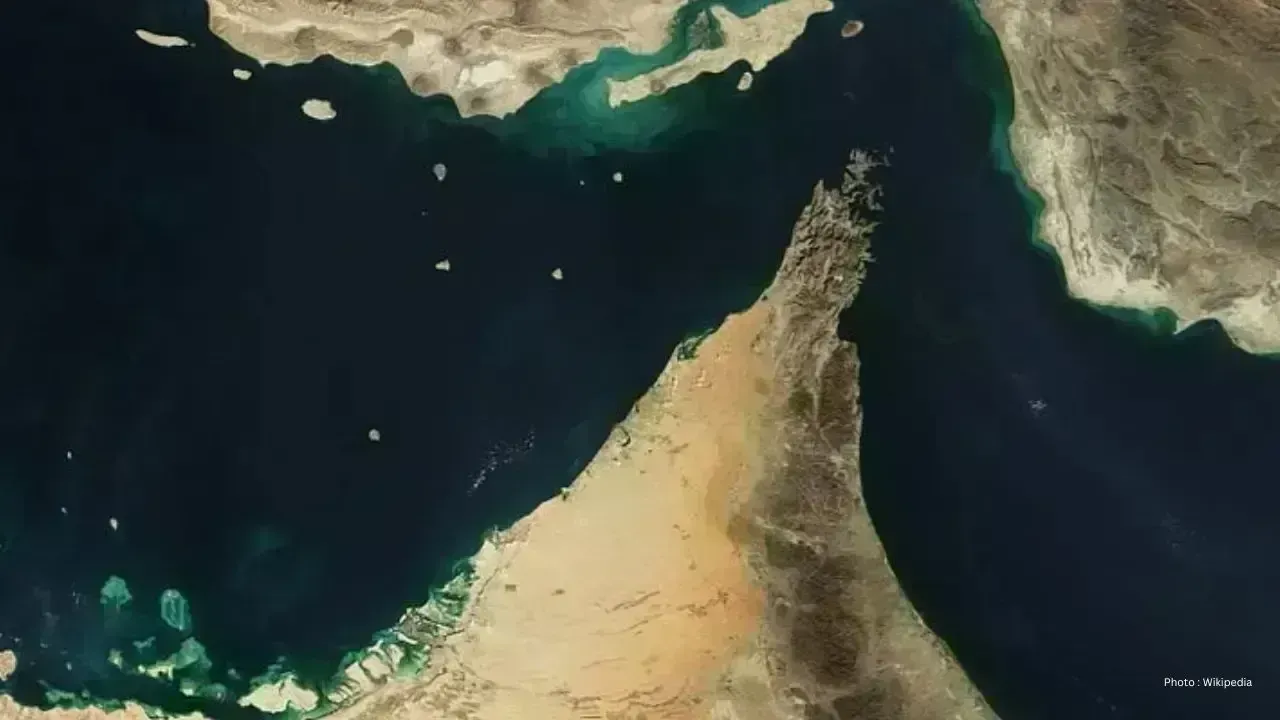
Iran continues to maintain its closure of the crucial Strait of Hormuz, despite an ongoing fragile ceasefire with the United States. This decision comes in light of a persistent U.S. naval blockade, further straining relations in the Gulf and heightening worries about energy supplies worldwide.
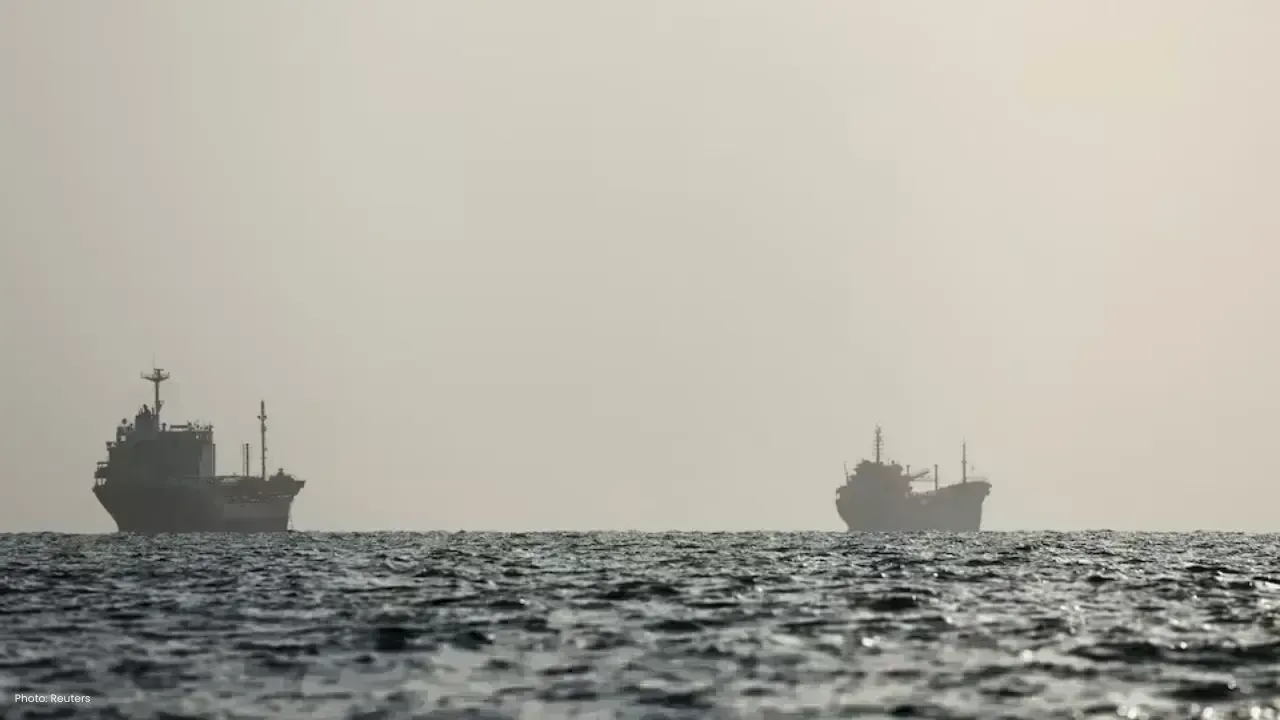
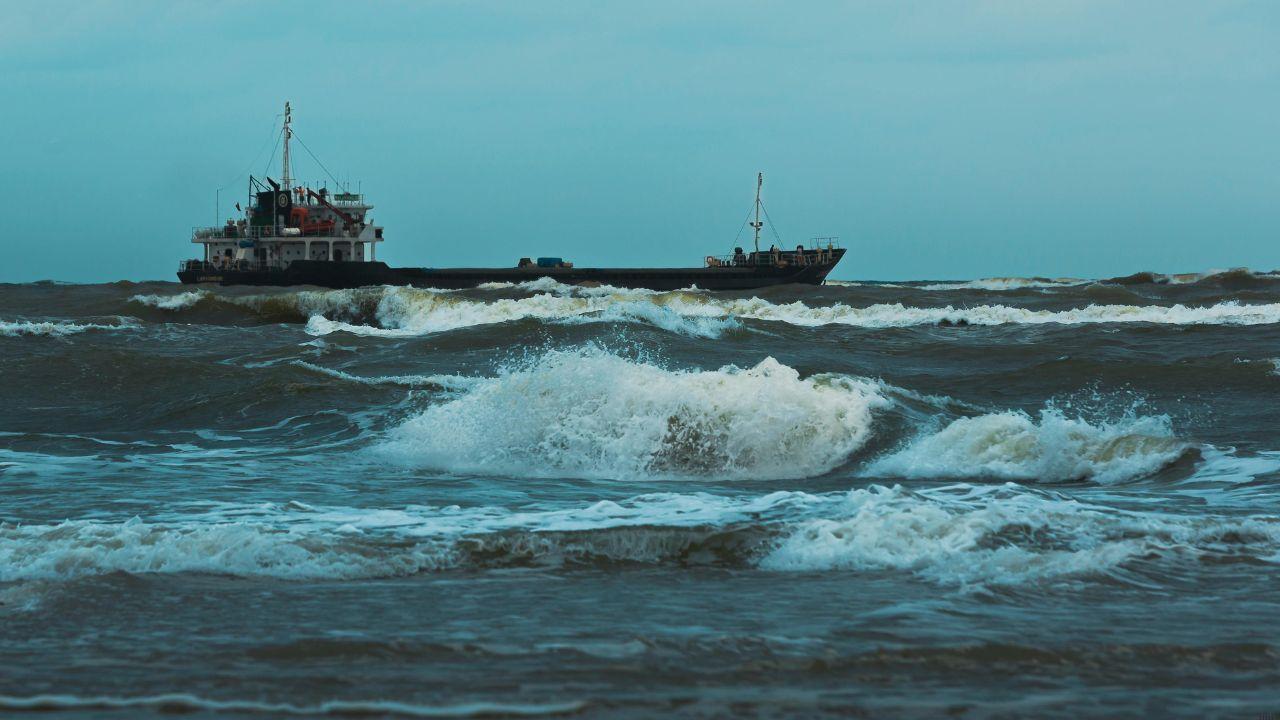
In its latest announcement, Tehran revealed it had seized two ships attempting to navigate through the waterway, labeling the U.S. blockade a serious infringement of the ceasefire agreement. The Islamic Revolutionary Guard Corps disclosed that its naval forces intercepted and redirected these vessels, underlining Iran’s firm stance that no passage would be sanctioned without its consent.
The U.S. Central Command, in response, confirmed that numerous vessels had been directed to turn away or head back to port as part of their enforcement actions. American authorities assert that these steps are designed to apply pressure on Iran while avoiding full-scale conflict.
The ongoing standoff has already affected global markets, with oil prices experiencing a notable spike over fears of supply interruptions. The Strait of Hormuz is vital for shipping, accommodating almost 20% of the world’s oil trade, which raises significant concerns for economic stability globally.
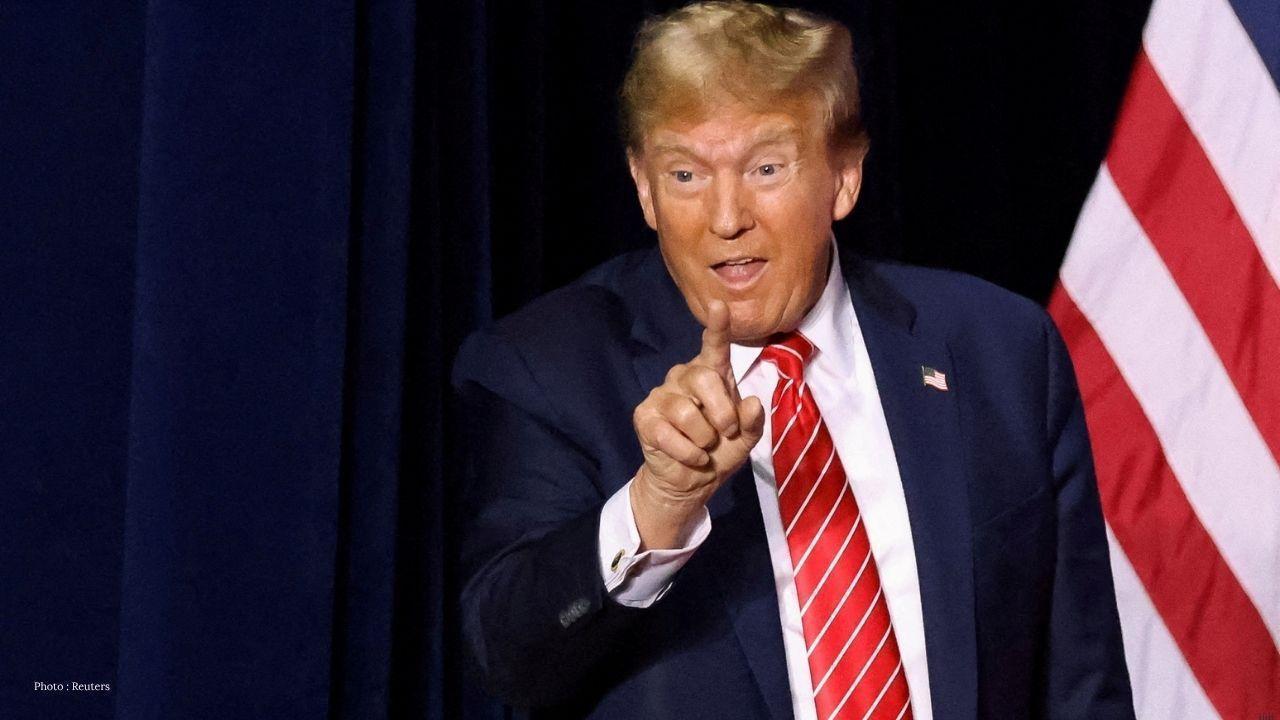
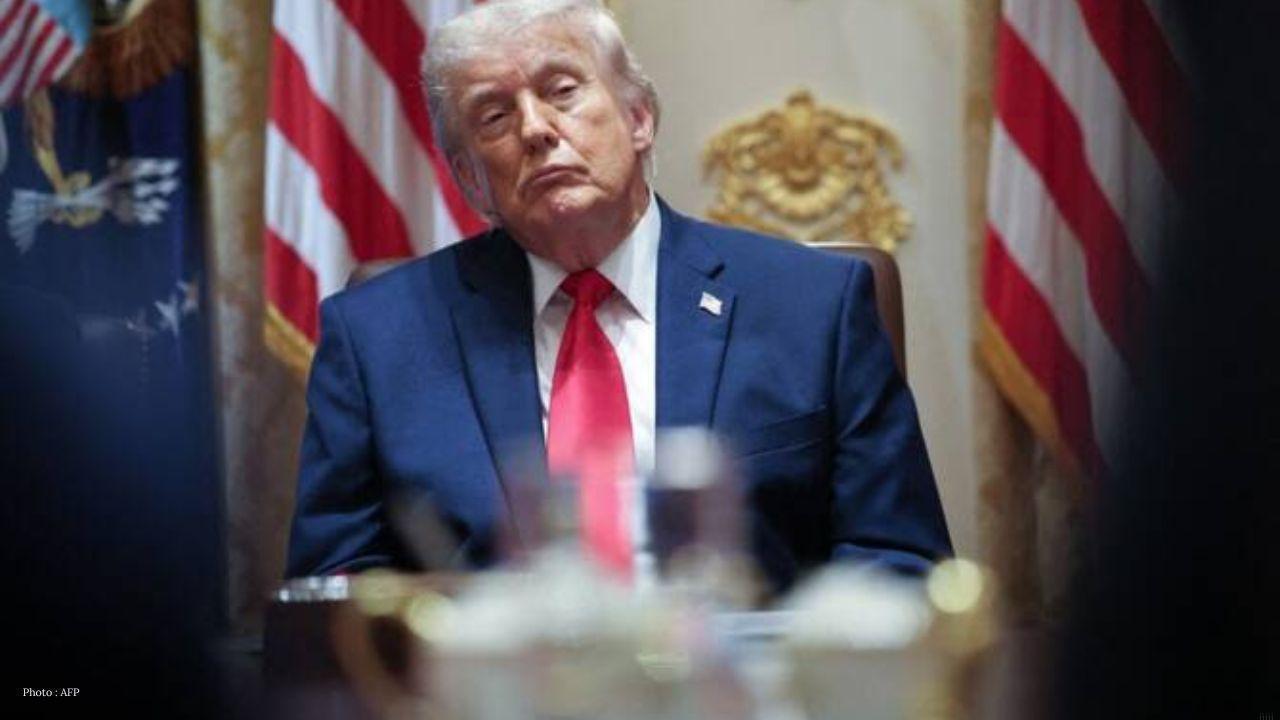
In a bid to foster diplomatic discussions, Donald Trump has extended the ceasefire, particularly to facilitate negotiations mediated by Pakistan. However, Iran has not yet confirmed its participation in the proposed talks, adding to the overall uncertainty.
Iranian representatives have vocally condemned the U.S. strategy, arguing that a meaningful ceasefire cannot coexist with military tension. Leaders in Tehran have clearly stated that the strait will remain closed as long as what they label as violations persist.
This crisis has also led to increased maritime security concerns. Reports from international bodies indicate that some vessels in the region have received warnings or faced minor attacks, although casualties have not been reported. Countries with interests in the affected ships are voicing their concerns, categorizing the situation as an escalation.
While the ceasefire is formally in place, both parties continue to accuse one another of violations. The United States has also been active in intercepting vessels believed to be associated with Iranian efforts, while Iran is adamant about stricter regulation of Gulf access.
The entire situation remains precarious. With the Strait of Hormuz still closed and military operations ongoing, the potential for further escalation looms large. The coming days will be critical in assessing whether diplomatic measures can alleviate tensions or if the conflict will veer towards a more severe confrontation.


 English