Post by : Saif
Al-Najjar
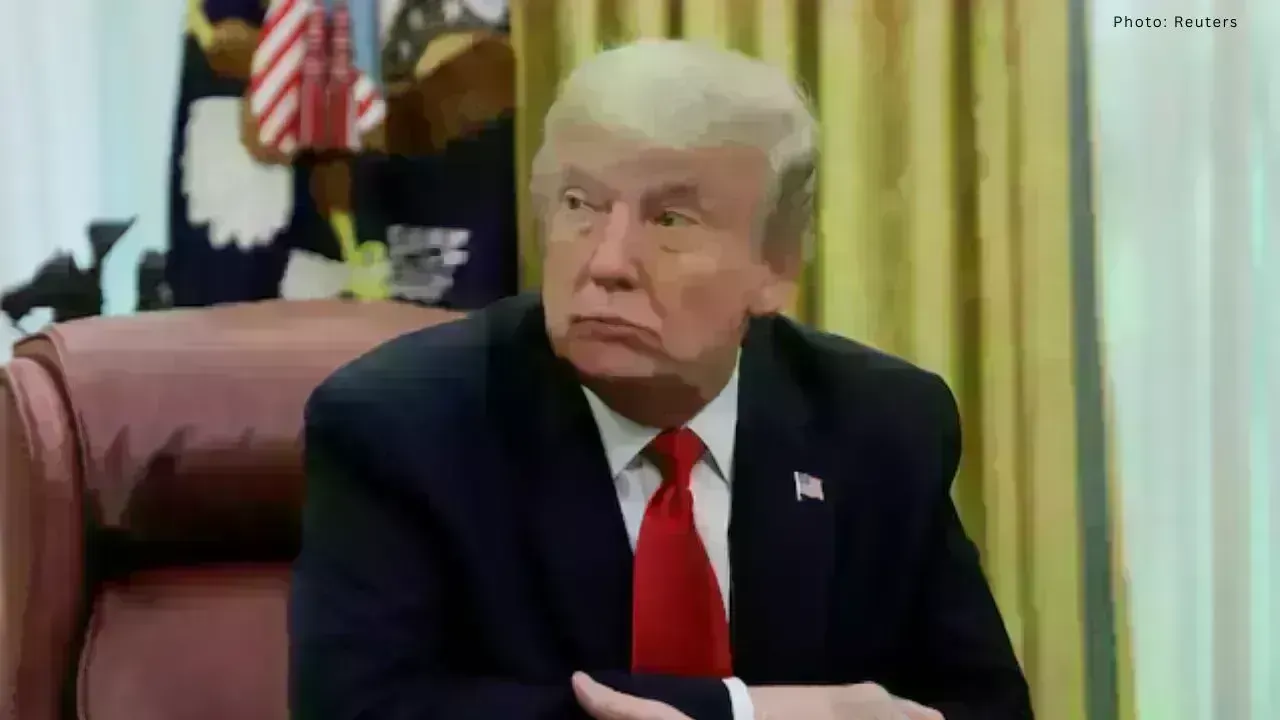
U.S. President Donald Trump's initiative to boost oil imports from Venezuela is presenting significant challenges for domestic oil producers. Although this strategy may help maintain low fuel prices for consumers, it intensifies pressure on an industry grappling with falling oil prices and heightened costs.
Trump has consistently promoted his “drill baby drill” philosophy, pledging affordable energy and decreased costs at gas stations. In line with this agenda, he has urged U.S. oil companies to assist in revitalizing Venezuela’s oil sector and redirect Venezuelan crude oil to the United States. While Venezuela possesses some of the largest oil reserves globally, its output has languished for years due to sanctions and inadequate infrastructure.
On the surface, Venezuelan oil appears appealing. U.S. refineries, particularly those situated on the Gulf Coast, are equipped to process heavy crude oil akin to Venezuela’s. Refiners could gain from a reliable supply of lower-cost oil. However, this burgeoning supply poses challenges for American oil producers.
Current oil prices in the United States are already below levels necessary for many producers to turn a profit. Most shale companies in the U.S. require prices close to $65 per barrel to sustain operations comfortably, yet current prices hover below $60, resulting in layoffs, reduced drilling activities, and deferred investments.
Notable energy firms like Chevron, Exxon Mobil, and ConocoPhillips have already implemented significant workforce cuts. Smaller shale producers are experiencing even more dire circumstances given their limited financial reserves to endure prolonged periods of low prices.
Industry analysts caution that flooding the market with millions of barrels of Venezuelan oil could further depress prices. This additional downward pressure may force U.S. producers to curtail production. Some foresee that if oil prices dip to around $50 per barrel, there will be a significant decline in U.S. oil output.
This conundrum also underscores a stark policy dilemma. Trump advocates for lower fuel costs to alleviate inflation concerns and support consumers, while simultaneously claiming to back American energy producers. However, lower prices compromise profit margins and typically lead companies to reduce drilling activity.
U.S. oil production hit unprecedented heights in 2025, but projections indicate a decline in 2026. Many drilling firms report depleting prime drilling sites and escalating production costs. Even with cutting-edge technologies, there are inherent limits to inexpensive oil production.
Moreover, global dynamics ramp up the uncertainty. Although OPEC has put a hold on increasing production for the time being, they might lift output to compete against U.S. shale producers. If this occurs alongside a continued influx of Venezuelan oil into the U.S., prices could face prolonged downward pressure.
Currently, many U.S. producers are awaiting greater clarity. They seek insights on whether oil prices will rebound or persist at lower levels. The decisions made today have the potential to significantly shape the landscape of American energy, employment, and investment.
While Trump’s approach to Venezuelan oil may benefit consumers in the short term, it carries the risk of undermining domestic oil producers. Striking the right balance between maintaining low prices and nurturing a robust energy sector remains a considerable challenge for U.S. policymakers.


 English