Post by : Shakul
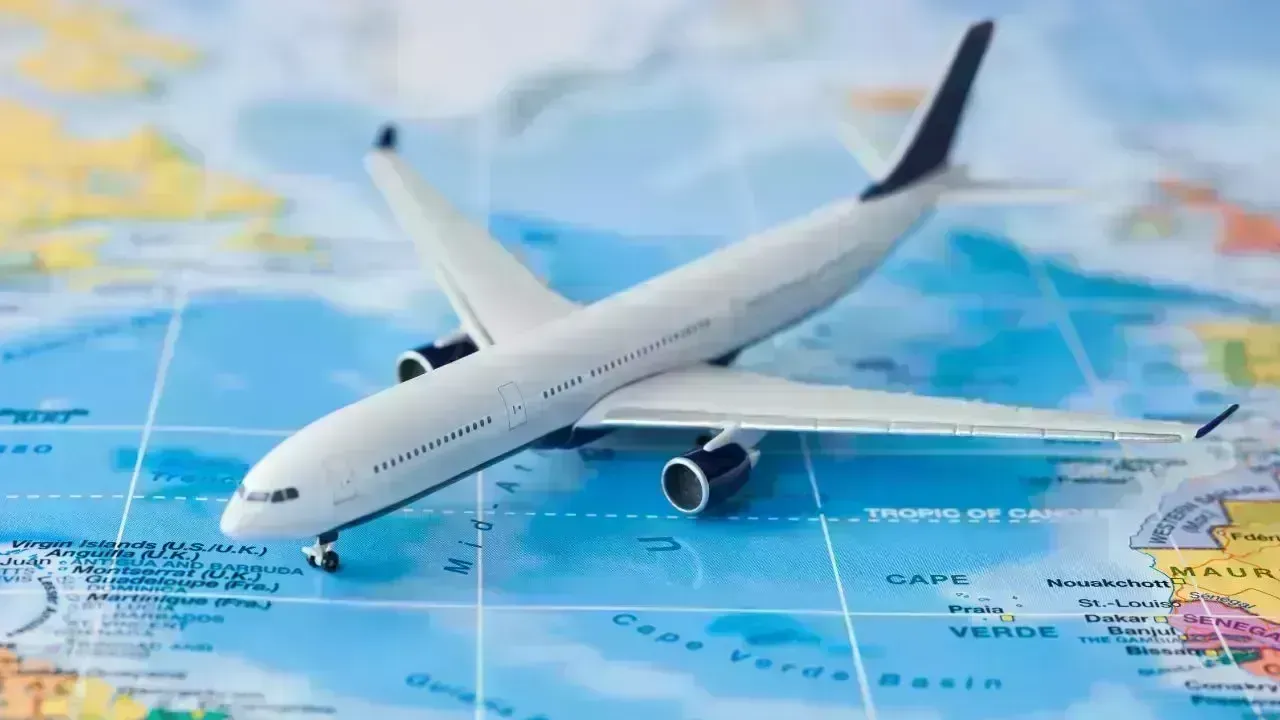
The recent appeal from Prime Minister Narendra Modi, urging citizens to curtail unnecessary international travel for the next year, has raised alarm within India’s outbound travel sector. Industry professionals and travel agencies fear this statement could lead to a dip in international holiday bookings during the critical summer travel season, compounded by inflation and mounting travel expenses that are already straining consumer budgets.
The repercussions are anticipated to be most pronounced during the April to June travel window, a peak time when many families typically venture abroad to popular destinations like Europe, Australia, Southeast Asia, and the Middle East during school breaks. Even prior to the Prime Minister's remarks, industry data showed a nearly 10 to 15 percent decline in inquiries for international trips, attributed to soaring airfare and global economic instability.
Travel leaders assert that PM Modi’s strong public influence might prompt many families to reconsider or defer their overseas travel plans. Ravi Gosain, president of the Indian Association of Tour Operators, noted that the public often takes the Prime Minister’s recommendations to heart, leading many to postpone their international journeys until next year. This organization encompasses over 2,000 travel operators across the country.
This downturn in travel coincides with escalating global fuel prices driven by geopolitical tensions in the Middle East and ongoing crises in the Strait of Hormuz. With crude oil prices surpassing $100 per barrel, airlines are facing increased operational costs, which results in higher fuel surcharges and pricier international airfare. The costs for hotels and transportation abroad have also risen, complicating travel plans for many Indian holidaymakers.
Modi’s recent address also emphasized the need for citizens to cut down on fuel consumption and limit expenditures on luxury imports like gold jewelry, aiming to tackle India's substantial import bill amid the prevailing global economic and energy circumstances. In the aftermath of the speech, shares of leading travel and airline companies experienced notable declines.
Despite these challenges, India's tourism industry continues to be a vital contributor to the national economy, currently valued at over $231 billion and providing millions of jobs across the country. Outbound tourism is projected to significantly expand over the next decade, driven by rising household incomes, improved visa policies, and the influential role of social media in promoting international travel among Indian citizens.
Experts believe the Prime Minister’s appeal might paradoxically bolster domestic tourism. Travel agencies may now prioritize advertising Indian destinations as budget-friendly alternatives to foreign travel. Analysts suggest that while this situation may exert immediate pressure on travel-related businesses, a decline in global crude oil prices or decreased geopolitical tensions could facilitate a resurgence in international travel demand in the ensuing months.


 English