Post by : Shweta
NATO officials remain optimistic about the resilience of the military alliance, even as tensions surrounding Iran escalate and the situation in the Strait of Hormuz grows increasingly precarious. This crisis has emerged as a significant international security issue recently, with potential repercussions for global energy supplies and military stability in the Middle East.
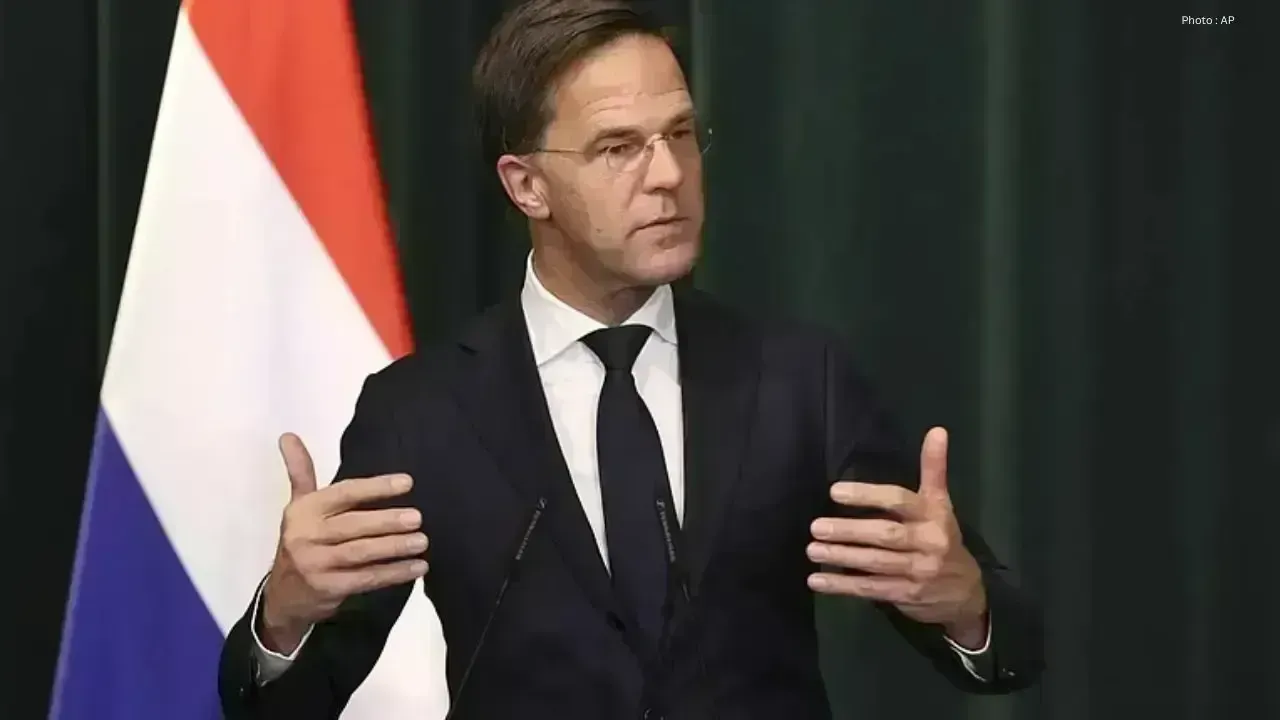
Mark Rutte, NATO Secretary General, indicated that member nations are “extremely optimistic” regarding the alliance’s long-term stability, despite the ongoing discussions focused on Iran and maritime security that dominate various international forums. During his recent engagements in Europe, Rutte emphasized the commitment of NATO countries to closely coordinate their response to the developments unfolding in the Gulf region.
The Strait of Hormuz sits at the heart of this crisis, acting as a vital corridor for global oil shipping. Approximately 20 percent of the world’s oil and liquefied natural gas traverse this narrow passage daily. Any disturbance in this area could instantly impact the global energy landscape, oil prices, and international commerce.
Tensions intensified following encounters between Iran, the United States, and allied nations, leading to attacks on commercial vessels, military interventions, and threats targeting oil tankers in transit through the region. Reports indicate a notable slowdown in shipping traffic in certain areas of the Strait of Hormuz, primarily due to escalating security concerns and heightened naval activity.
Despite the severe circumstances, NATO representatives assert the alliance's readiness to ensure regional security if required. Rutte highlighted that NATO allies are actively considering strategies to secure maritime routes and bolster stability in the Gulf region, with several countries exploring potential military or logistical contributions should the situation escalate further.
The ongoing crisis has also unveiled some divisions within the alliance. It appears that several European nations are hesitant regarding direct military action, expressing concerns that forceful military measures might exacerbate tensions with Iran and precipitate a broader regional conflict. Conversely, other NATO countries underscore the necessity of safeguarding critical shipping routes for economic and energy security.
U.S. President Donald Trump has voiced criticism towards certain NATO allies, alleging that their response to the Hormuz situation has been lacking. He has previously urged European partners to bolster naval support and enhance collaboration in safeguarding commercial shipping in the area, generating some discord within the alliance, although NATO leaders strive to maintain a united front.
Germany, France, and Britain are collectively backing diplomatic initiatives to de-escalate prevailing tensions while simultaneously evaluating security measures to ensure the flow of shipping lanes. European leaders are keen on preventing a larger conflict while protecting international trade and energy resources.
Simultaneously, the crisis is casting a significant shadow over global financial markets. Oil prices have displayed heightened volatility as investors keep a close watch on developments in the Gulf. Energy specialists have cautioned that any substantial assault on shipping infrastructure or complete blockage of the Strait of Hormuz could lead to a dramatic surge in oil prices, impacting economies across the globe.
Military experts note that the situation remains exceedingly delicate, as securing the Strait of Hormuz during active conflict poses significant challenges. The narrow passage can be threatened by naval mines, drones, missiles, and fast-attack vessels, complicating protection operations even for extensive military coalitions.
Despite current tensions, NATO leaders are reiterating their commitment to collective security and stability. Officials indicate that discussions among member states are continuing, with a strong emphasis on maintaining collaboration between North American and European allies as the crisis unfolds.


 English