Post by : Mariam
Al-Faris
Photo: Reuters
Last month, Iran’s military loaded naval mines onto their ships in the Persian Gulf, which worried U.S. officials. This happened after Israel attacked several important military and nuclear sites in Iran on June 13, according to two U.S. officials who spoke on condition of anonymity due to the sensitive nature of the intelligence.
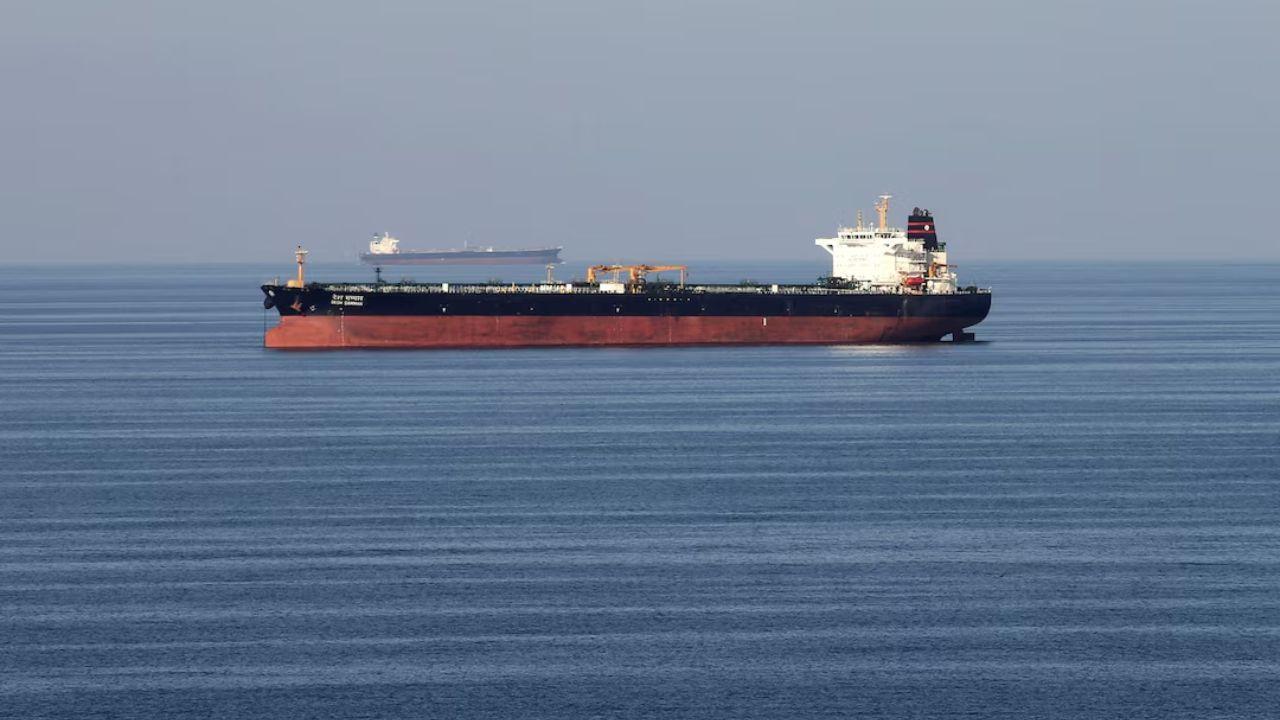
Though the mines were not actually dropped into the water, U.S. intelligence discovered that Iran seemed ready to close the Strait of Hormuz, a narrow and critical route for global oil and gas shipments. About 20% of the world’s oil and gas moves through this passage, so any blockade could have had a major impact on global energy prices.
Interestingly, oil prices have gone down by over 10% since the U.S. attacks on Iran’s nuclear facilities. Analysts believe this is because people were relieved that shipping through the strait was not disrupted.
On June 22, just days after the U.S. hit Iran’s nuclear sites, Iran’s parliament supported a proposal to block the strait. However, the final decision was in the hands of Iran’s Supreme National Security Council, and the idea has not been carried out. Iran has made similar threats in the past but has never actually closed the strait.
U.S. officials say Iran may have loaded the mines just to send a message to Washington — possibly as a bluff — or as a precaution in case its leaders decided to act later.
The U.S. did not say how it found out about the mine-loading, but such information usually comes from satellite images or secret intelligence sources.
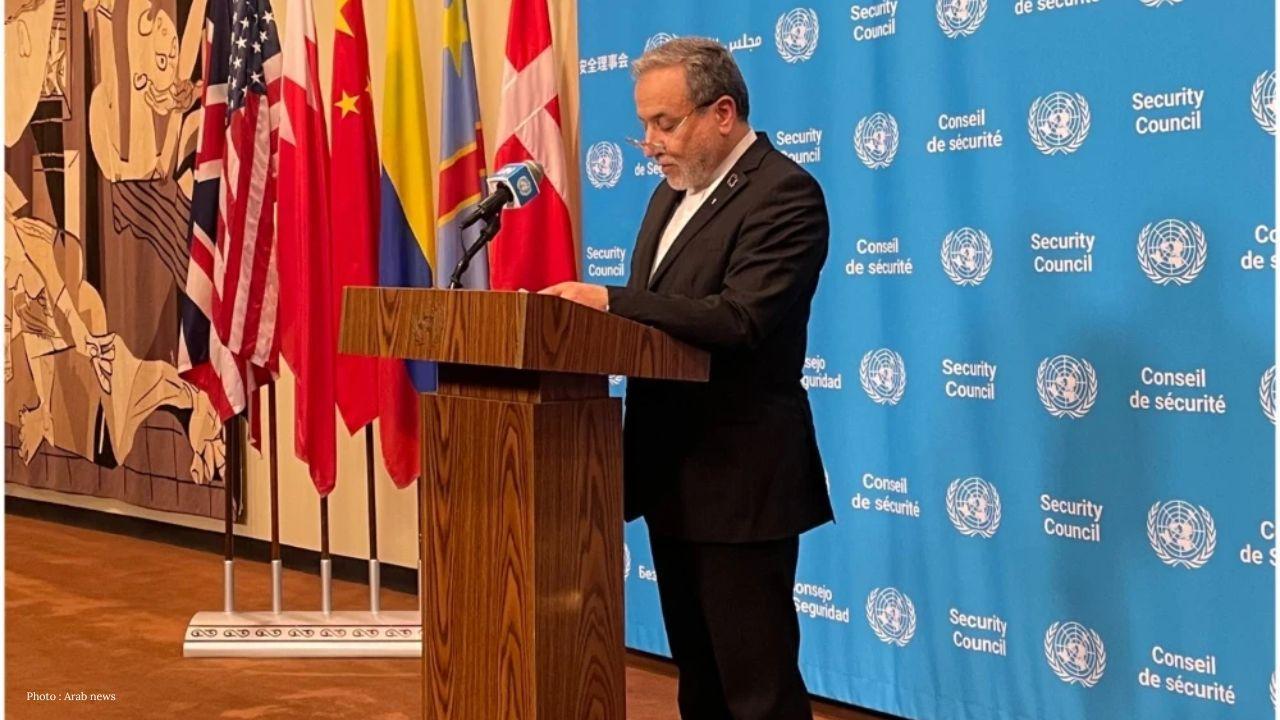
When asked for a statement, a White House official credited recent U.S. military actions, including “Operation Midnight Hammer,” for keeping the strait open and weakening Iran. The Pentagon and Iran’s representatives at the United Nations did not comment.
The Strait of Hormuz is only 21 miles wide at its narrowest point, with just 2-mile-wide shipping lanes in each direction. It lies between Iran and Oman, connecting the Persian Gulf to the Arabian Sea.
Major oil-exporting countries like Saudi Arabia, the UAE, Kuwait, Iraq, and Qatar all rely on the strait. Iran also uses it for its own oil exports, which makes it risky for Iran to actually close the passage.
In 2019, a U.S. report estimated that Iran had over 5,000 naval mines, which can be quickly placed in the water using fast boats. These mines could stop ships from passing safely.
The U.S. Navy’s Fifth Fleet, based in Bahrain, is responsible for protecting ships in the area. Before the U.S. strikes on Iran, the Navy temporarily removed its anti-mine ships from Bahrain, fearing Iran might strike the base.
Instead of targeting the shipping route, Iran fired missiles at a U.S. military base in Qatar on June 23. This was seen as a limited response.
The wider conflict started when Israel launched major strikes on June 13 targeting Iran’s top military and nuclear figures and sites. Iran hit back by launching over 500 missiles and 1,100 drones at Israel. These attacks killed 28 people, injured over 3,000, and damaged thousands of homes, schools, and a hospital. Over 13,000 people in Israel were forced to leave their homes.
A ceasefire between Israel and Iran began on June 24, shortly after the U.S. joined Israel’s efforts by targeting Iran’s underground nuclear facility in Fordo.


 English