Post by : Shweta
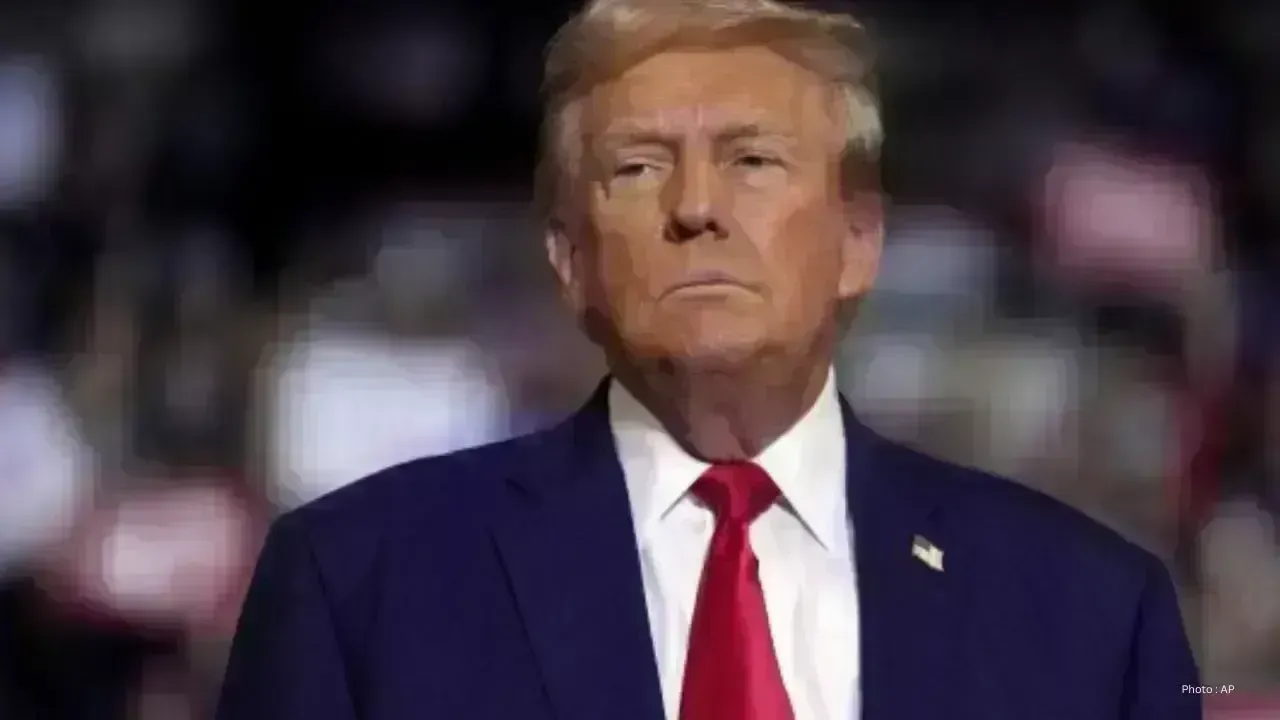
The escalating tensions between the United States and Iran have reached a critical juncture, exacerbated by faltering diplomatic discussions. President Donald Trump now navigates a landscape filled with what analysts call “poor options” following the collapse of peace negotiations with Iran. Concerns are heightening about the potential for a broader regional conflict, especially around the vital Strait of Hormuz, a key artery for global oil transport.
Recent talks between Washington and Tehran dissolved when Iran rebuffed crucial U.S. demands linked to its nuclear activities and missile capabilities. Trump dismissed Iran's latest peace initiative as “completely unacceptable.” The U.S. administration is seeking stringent long-term limits on Iran’s uranium enrichment, while Iran insists on sanctions relief and security assurances as a precondition for major concessions.
The diplomatic stalemate is intensifying scrutiny on the Trump administration. Analysts suggest the President has limited avenues. One route is to persist with diplomatic engagement despite the sluggish pace amid rising tensions. Conversely, increasing economic sanctions and military pressure on Iran could destabilize the region further. A more perilous route might involve escalated military involvement, risking a broader conflict with multiple Middle Eastern nations and jeopardizing global oil supply.
The situation surrounding the Strait of Hormuz is critical. Iran's growing presence and past disruptions have already impacted global energy markets, with oil prices surging in response to fears of supply disruptions should the situation worsen. Global shipping firms are now more apprehensive about operating in the area due to these heightened security concerns.
Trump has stressed that his primary goal is to prevent Iran from acquiring nuclear weapons. However, both domestic and international critics argue that the current aggressive stance may hinder the prospects for peaceful resolution. Analysts warn that sustained military pressure may provoke Iran to retaliate rather than engage in serious negotiations.
This crisis also presents political challenges within the U.S., with citizens expressing anxiety over rising fuel costs, inflation, and the specter of another protracted military engagement. Despite these challenges, Trump has remained firm, asserting that safeguarding national security and curbing Iran’s nuclear ambitions are his top priorities.
International observers are monitoring this situation closely, with numerous nations urging both parties to resume diplomatic efforts before tensions spiral uncontrollably. Experts caution that even a minor military incident in the Gulf could rapidly destabilize the region and adversely affect the already fragile global economy. As negotiations falter, the U.S.-Iran conflict remains a significant geopolitical issue facing the world today.


 English