Post by : Shweta
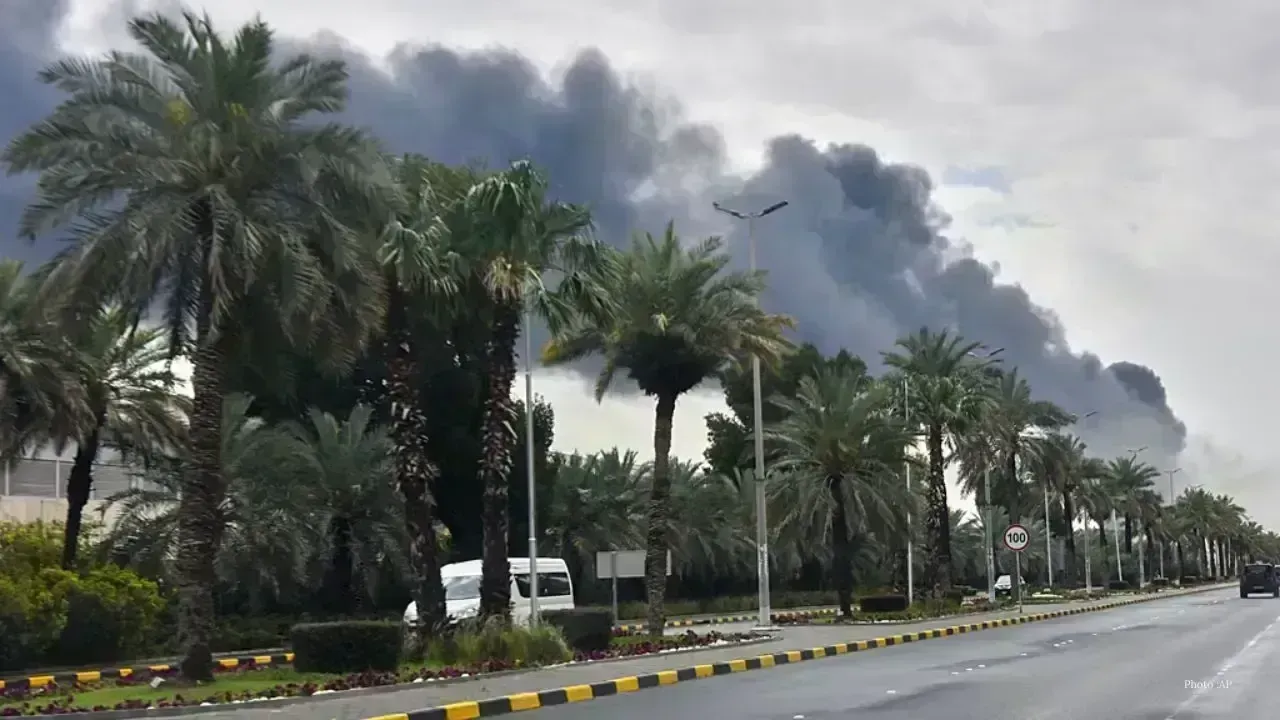
An aggressive drone and missile offensive from Iran hit Kuwait International Airport in the early hours of Wednesday, leading to severe damage to the airport's infrastructure, several injuries, and temporary flight disruptions. This incident represents one of the most significant escalations in the Gulf region's tensions as the conflict between Iran and the United States intensifies.
The General Civil Aviation Authority of Kuwait reported considerable destruction to the Terminal 1 facility, a major hub for passenger travel. Emergency response teams were promptly dispatched to the location, activating contingency protocols aimed at ensuring passenger safety. Flights were rerouted to other airports, and limited services slowly resumed post-security evaluations.
Kuwait's officials condemned the strike as a serious violation and confirmed multiple injuries. Reports noted that considerable structural damage occurred in parts of the terminal, alongside collateral damage to adjacent facilities due to the explosions and debris. The incident disrupted travel arrangements and elevated worries among passengers and airlines operating in the area.
This strike followed a series of military hostilities between Iran and the United States, with US forces reportedly attacking military assets on Iran's Qeshm Island in retaliation to intercepted Iranian projectiles. Washington emphasized that this operation was a defensive response to perceived threats to US personnel and maritime allies in Gulf waters.
Simultaneously, Iran targeted US military interests in the vicinity with drone and missile strikes. In conjunction with attacks on Kuwait, Bahrain’s defense systems managed to intercept incoming Iranian missiles. This cycle of aggression prompts fears that the recent fragile ceasefire efforts and diplomatic initiatives could entirely unravel.
Security experts caution that escalating hostilities are now directly impacting crucial civilian infrastructure. Kuwait International Airport is a vital link for millions of travelers within the Gulf region. Prolonged interruptions could have far-reaching effects on regional mobility, commerce, and economic operations. The risk to civilian locations amid military confrontations has become a growing concern.
The attack has captured global scrutiny, occurring alongside ongoing disputes over military engagement, maritime security, and sanctions. Several nations have urged restraint and renewed diplomatic efforts to avert a broader conflict. Energy markets are also closely monitoring the unfolding situation since further escalations risk shipping routes and oil supply stability within the Gulf.
At present, Kuwait is on heightened alert as authorities evaluate the total impact of the assault and enhance security protocols. This event highlights the rapid volatility of relations between Iran and the US, which could further destabilize neighboring countries and critical civilian infrastructure. With ongoing military actions and uncertain diplomatic discussions, apprehensions are mounting that the Gulf may be poised for a new, perilous phase of instability.


 English