Post by : Saif
Al-Najjar
Global oil prices have surged after talks between the United States and Iran came to a halt. This increase underscores the significant dependence of the global economy on political stability in the Middle East. Growing tensions and stagnant negotiations have immediate repercussions in energy markets, affecting nations and their citizens worldwide.
Recent trends show a sharp rise in crude oil prices prompted by failed discussions between the US and Iran, rekindling fears of supply constraints. The breakdown of these negotiations casts doubt on future oil availability from critical regions, which impacts market sentiment.
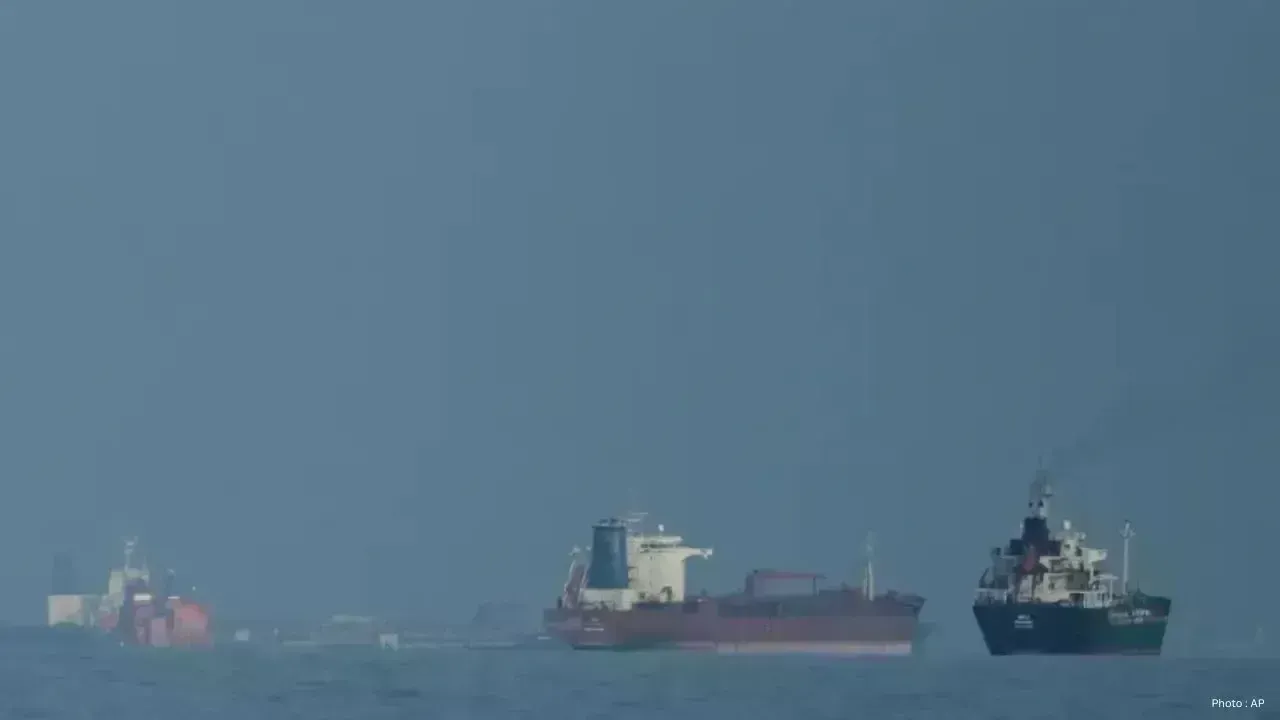
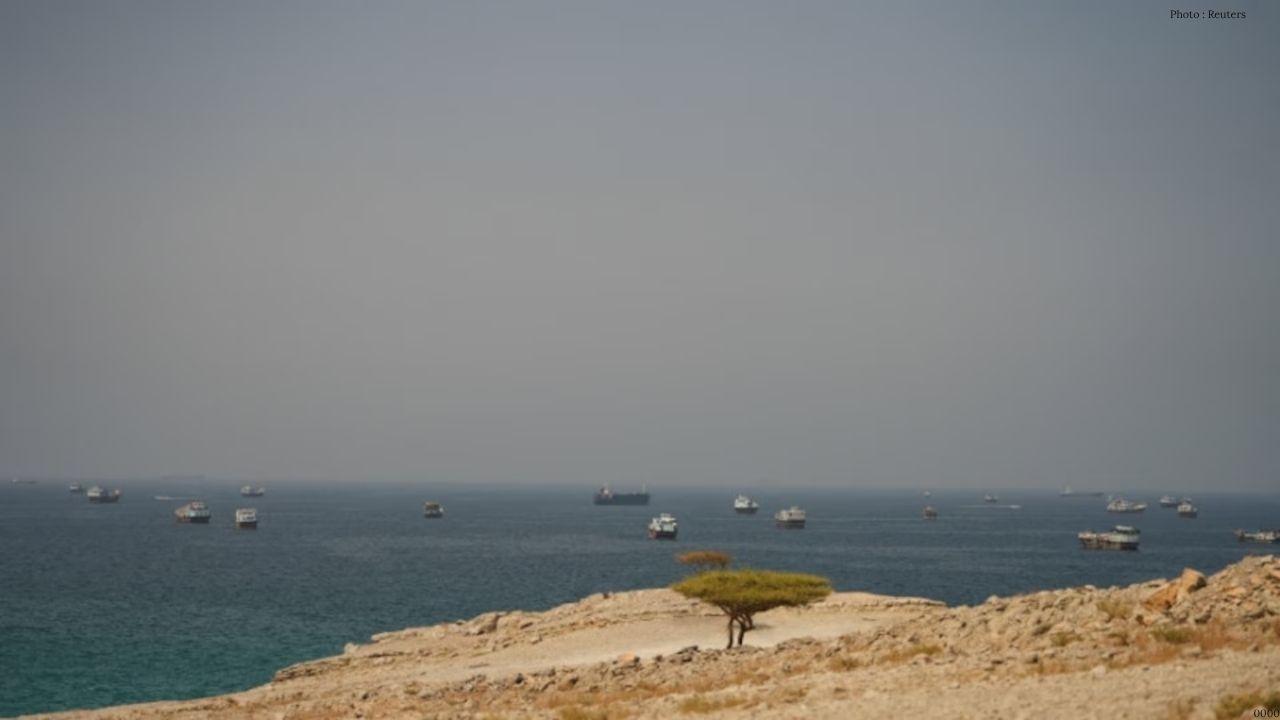
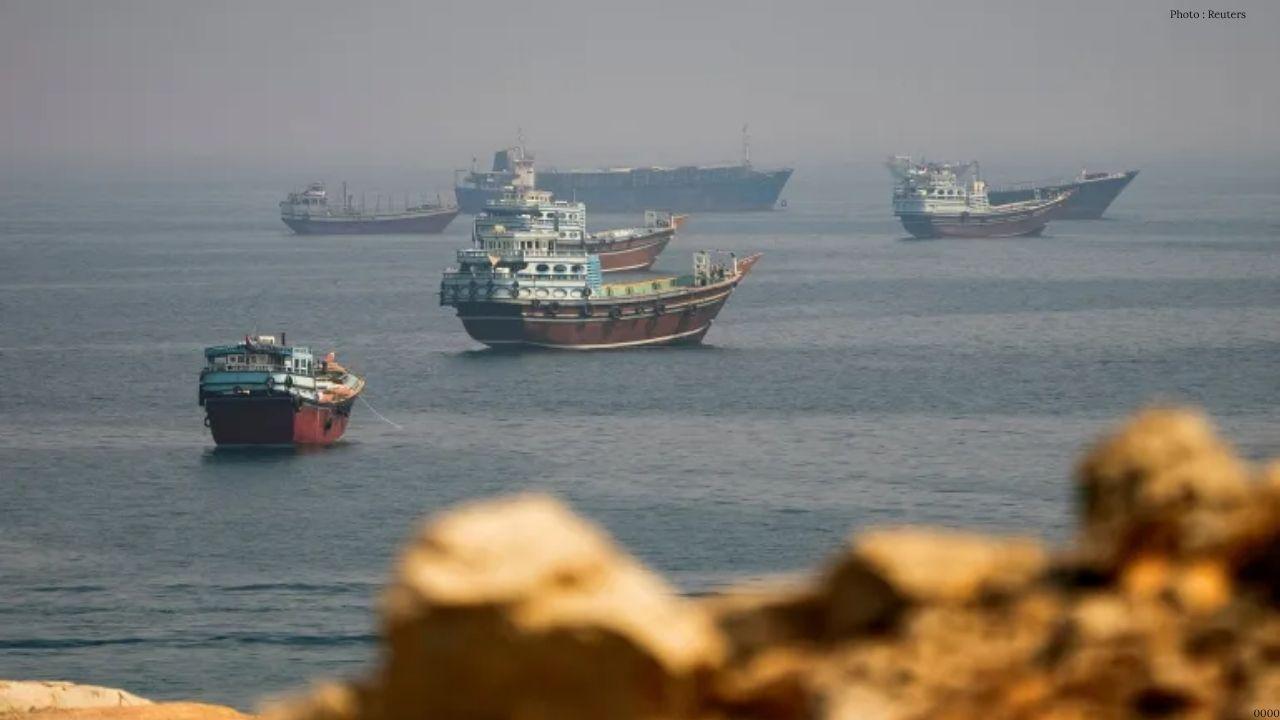
The Strait of Hormuz is a focal point of concern, being a vital artery for global oil transit. A significant portion of the world’s oil flows through this narrow corridor; disruptions here could swiftly escalate supply issues, leading to higher prices. Recent restrictions and tension in this zone have already complicated oil transport logistics.
This impasse in negotiations is reflective of broader US-Iran relations. Previous diplomatic attempts had offered hope for a thaw in tensions, but the recent setbacks have dampened these expectations. As markets brace for ongoing instability, traders are preparing for potential disruptions in oil supply, which typically drives prices upward.
Rising oil prices exert pressure beyond energy markets, influencing everyday life in significant ways. Increased fuel costs elevate transportation expenses, which cascades into higher prices for essential goods like food and clothing. Nations reliant on oil imports, especially within Asia, stand to face heightened economic pressures as a result.
Moreover, higher oil prices can catalyze inflation. As businesses incur greater fuel costs, they often pass these expenses onto consumers, necessitating more spending without a corresponding increase in income. Over time, this can hinder economic development and strain family budgets.
This scenario illustrates the fragility of the global energy framework. Political tensions, shipping disruptions, and unfruitful negotiations can quickly ripple through supply chains and price structures. It underscores the need for stable international diplomatic relations to maintain equilibrium in energy markets.
Additionally, the increase in oil prices may encourage nations to diversify their energy portfolios. As fuel becomes pricier, investments in renewable energy sources such as solar, wind, and electric vehicles may gain traction, potentially reducing future reliance on oil, though this transition will take time.
Oil-exporting nations may see immediate benefits from the price hikes, reaping increased revenue from exports. However, prolonged instability poses risks for all stakeholders, as unpredictable price fluctuations complicate economic planning and global trade dynamics.
The breakdown of diplomatic efforts raises pressing concerns regarding future negotiations. Dialogue remains a critical pathway to de-escalation and peace. When discussions falter, the risk of further conflicts rises, impacting not just the directly involved nations but also the global economy.


 English