Post by : Saif
Al-Najjar
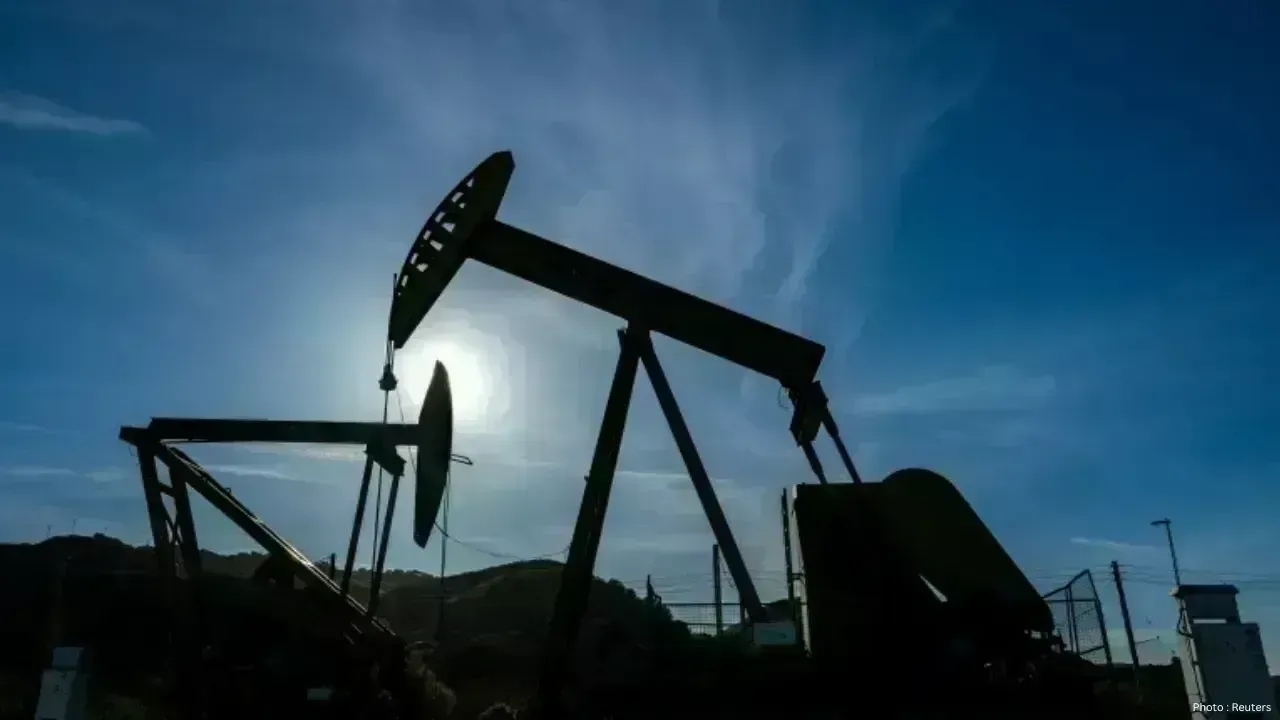
Oil prices have surged significantly in response to reports of United States activities aimed at key ports in Iran. This development has heightened concerns regarding a potential long-term interruption in oil supply, contributing to uncertainty in global markets.
As a pivotal resource, oil serves essential roles in transportation, industry, and energy production, meaning that any disruption can have immediate consequences on pricing and economies worldwide.
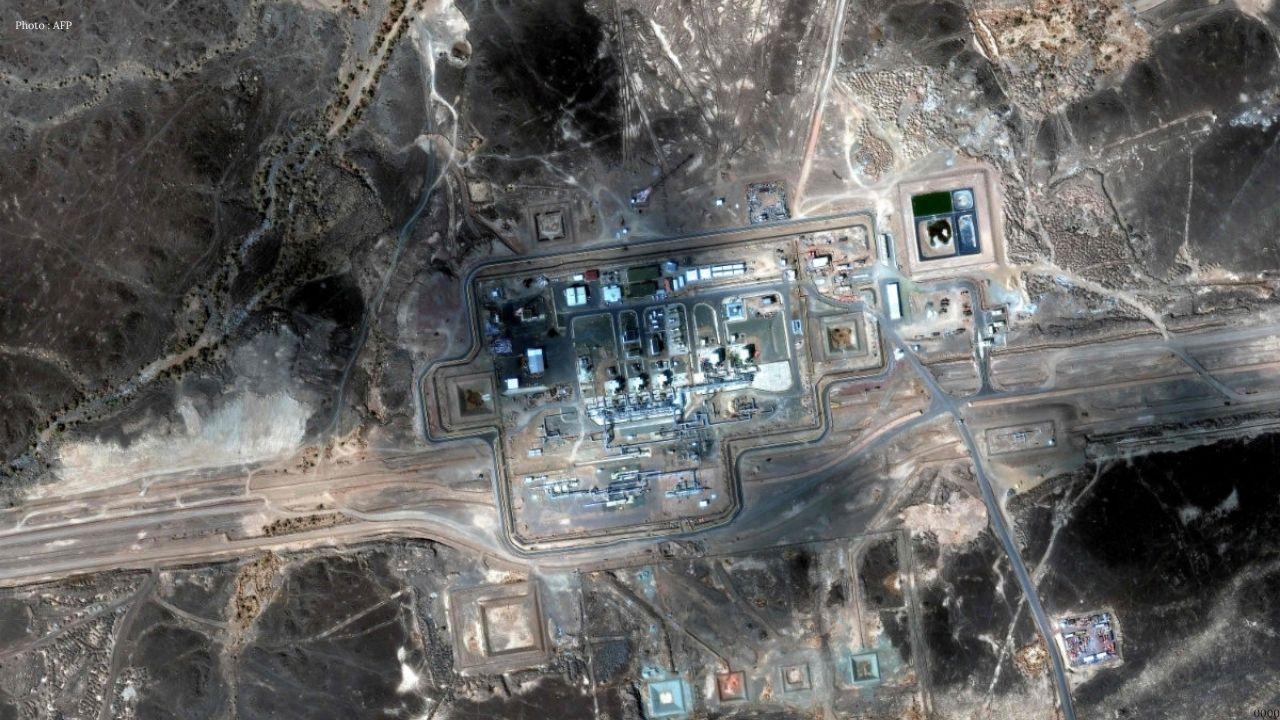
The recent actions by the United States, which include increasing pressure around Iranian ports critical for oil exports, are raising alarm among traders and investors about the viability of future supply.
Consequently, prices are climbing, as anticipation of reduced availability often drives buyers to secure their oil sooner, fearing imminent shortages.
The ongoing tensions between the United States and Iran are not unprecedented, yet any escalation poses significant risks to global energy markets, as minor disturbances can profoundly influence supply.
Moreover, the prospect of enduring impacts is concerning. Prolonged tensions could obstruct shipping routes and delay oil exports, complicating access for various nations and elevating prices further.
Increased oil rates can directly affect daily expenses, with higher fuel prices leading to increased transportation costs, cascading into rising prices for goods and services and potentially spurring inflation.
Countries reliant on oil imports, such as India, may experience economic strain due to climbing prices, compelling governments to allocate more resources to fuel imports and impacting fiscal policies and economic growth.
Conversely, oil-exporting nations might see short-term financial benefits from soaring prices, yet prolonged instability poses risks to their economies and global trade.
Financial markets are also responding to these developments, as geopolitical tensions typically prompt investors to adopt a cautious approach, influencing stock markets and currency valuations.
This situation underscores the intricate connections between energy markets and geopolitics, illustrating how actions by influential nations can swiftly alter supply chains and pricing structures globally.
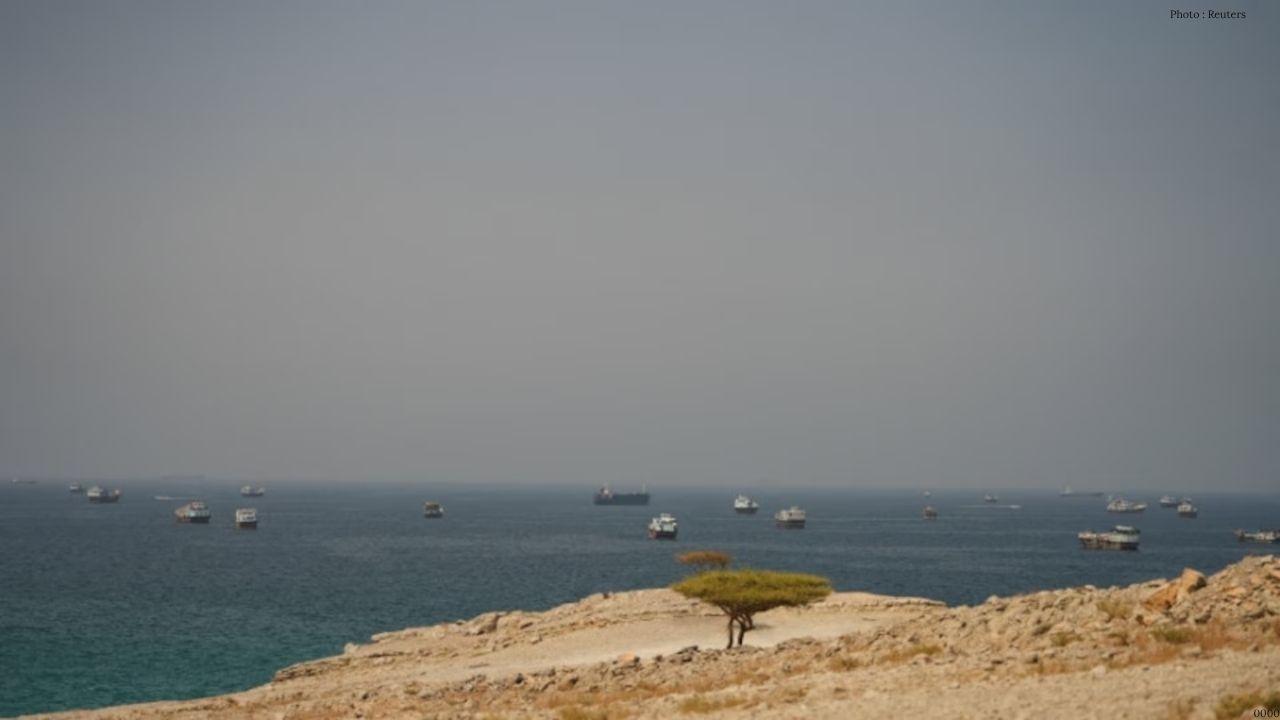
Concerns about shipping routes are prevalent, as escalated tensions could affect crucial maritime paths utilized for oil transport, compounding supply issues and exerting further pressure on prices.
Governments and central banks are expected to monitor these developments closely. If oil prices continue their ascent, proactive measures might be necessary to manage inflation and maintain economic stability.
The forthcoming days are vital in determining how this situation unfolds. Easing tensions could lead to price stabilization, while escalating conflict could have significant repercussions on global markets.
The dramatic rise in oil prices highlights the susceptibility of energy markets to geopolitical events, emphasizing that both governments and consumers will experience the ramifications as the situation evolves.


 English