Post by : Saif
Al-Najjar
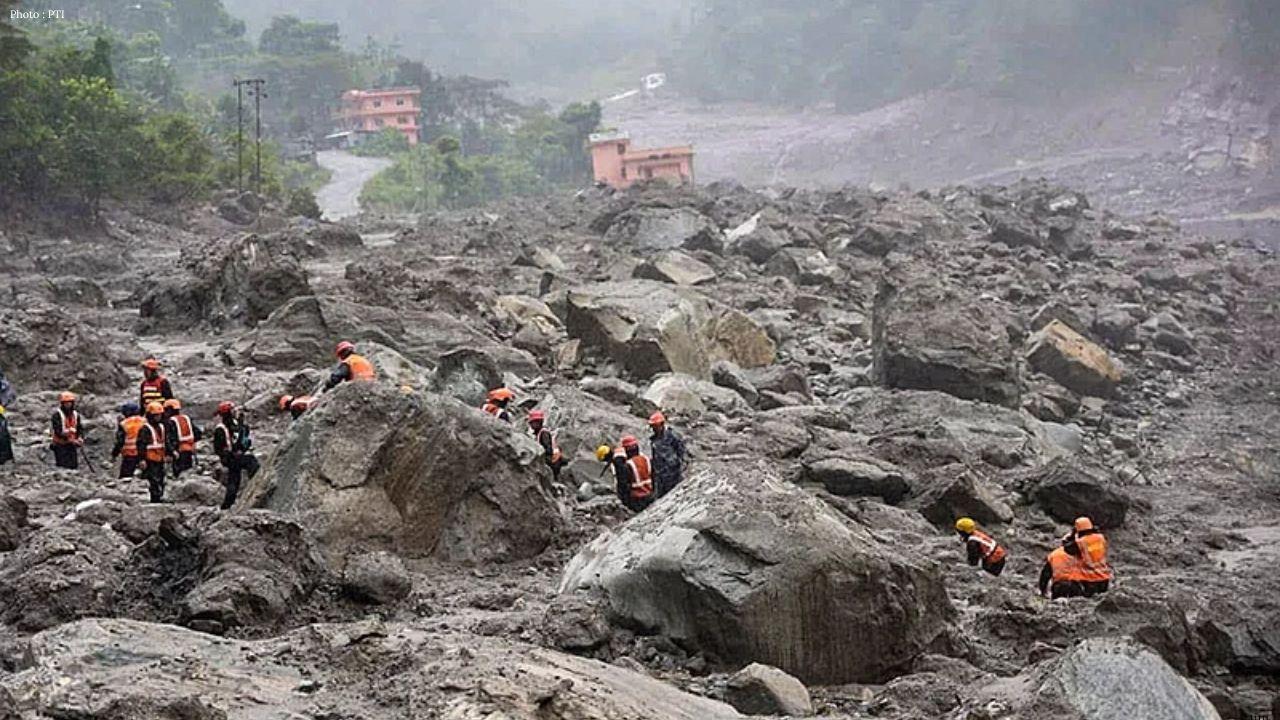
Recent floods and landslides in Indonesia have tragically claimed hundreds of lives and put one of the planet’s most endangered species, the orangutan, at even greater risk. In North Sumatra, the rare Tapanuli species is losing its natural habitats as relentless storms devastate large areas of forest.
This calamity serves as a stark illustration of how detrimental human actions can be on wildlife and the environment.
Before the disaster struck, ranger Amran Siagian frequently observed orangutans in Sipirok’s lush forests, where they would often descend to forage on fruits like durian from local farms. These gentle creatures relied on a robust canopy for safe navigation between the trees.
The aftermath of the floods has left the forest unrecognizable. The once thriving trees have been uprooted, hillsides shattered, and the vibrant sounds of wildlife have fallen silent. According to Siagian, orangutans may have fled to find safer and more abundant food sources.
This issue extends beyond just the natural disaster; it also reflects human negligence. Environmental advocates and community leaders are emphasizing that illegal logging, mining, and aggressive deforestation have significantly worsened the impacts of the floods and landslides.
When forests are cleared, the roots that stabilize the soil vanish. This absence allows rain to rush unchecked, leading to landslides and flash floods. Had forests been safeguarded, the devastation could have been mitigated.
The Tapanuli orangutan stands as one of the world’s rarest great apes, with an estimated population of around 760 in the region. When including the broader populations across Indonesia and Malaysia, roughly 119,000 orangutans remain in the wild. While this number may appear substantial, it is perilously low for a species that once thrived throughout expansive forests.
The primary threat facing orangutans extends beyond climate variability; it involves the systematic loss of their forest habitats due to agricultural expansion, mining, and illicit logging. These activities fragment forests, hindering orangutans from traversing, foraging, or raising their young safely.
This crisis poses difficult questions for both governments and corporations. While economic progress is vital, it should not entail the destruction of our natural surroundings and the extinction of rare species. Once a species is gone, no financial resource or remorse can revive it.
From an editorial perspective, this serves as an urgent signal: safeguarding forests isn’t merely about animal conservation; it intertwines with human survival. The same deforestation that drives orangutans from their homes makes communities increasingly susceptible to flooding and landslides.
Governments are urged to act decisively against illegal logging and hazardous mining practices. Corporations must bear accountability for environmental degradation. Communities should receive support to reduce their reliance on damaging practices for survival.
A global commitment is also necessary. The international community should align with conservation initiatives and provide essential funding for rainforest preservation. Orangutans are not just Indonesia’s fauna; they represent a vital component of our shared natural heritage.
Should we fail to take significant action, the residents of Sipirok risk losing both their forests and the majestic creatures that share their land. The frequency and lethality of floods and landslides could also escalate dramatically.
The quiet of the forest following this disaster serves as a warning to us all. Nature provides essential resources such as food, air, and water, along with a sense of safety. In damaging it, we jeopardize our very existence.


 English