Post by : Saif
Al-Najjar
A significant undersea earthquake near the Philippines has highlighted the ongoing risks posed by natural disasters in the Pacific region. The earthquake, recorded at a magnitude of 8.2, triggered tsunami alerts in numerous coastal areas, prompting immediate action from emergency services. This incident raised concerns among coastal populations, emphasizing the critical need for disaster preparedness and effective early warning systems.
The seismic activity occurred beneath the ocean surface, a phenomenon that frequently poses the risk of generating powerful sea waves. In the wake of detecting the tremor, government agencies and monitoring stations issued crucial alerts to communities at risk of potential tsunami impacts. Residents in vulnerable areas were urged to remain vigilant and adhere to guidance from local authorities.
The Philippines is situated within the Pacific Ring of Fire, an area known for its frequent seismic and volcanic activity due to the interaction of major tectonic plates. These tectonic movements generate pressure that, when suddenly released, can cause significant earthquakes and associated disasters.
This recent event emphasizes why nations in the Pacific invest significantly in robust monitoring systems. With advanced technology, scientists can detect underwater tremors in a matter of minutes, issuing warnings to secure coastal communities. Such alerts are pivotal, offering critical time for evacuation and emergency planning, where even brief notice can save lives.
In the aftermath of the earthquake, authorities responded promptly. Emergency management teams monitored maritime conditions, liaised with local governments, and advised communities to avoid coastlines and low-lying regions. These proactive responses form an essential part of disaster management strategies in areas prone to natural calamities.
While tsunami alerts may induce anxiety, their significance cannot be overstated. Not every severe earthquake results in damaging waves; however, safety protocols necessitate caution. Sending alerts allows governments to prepare for potential dangers while continuing to analyze the situation using scientific data and real-time assessments.
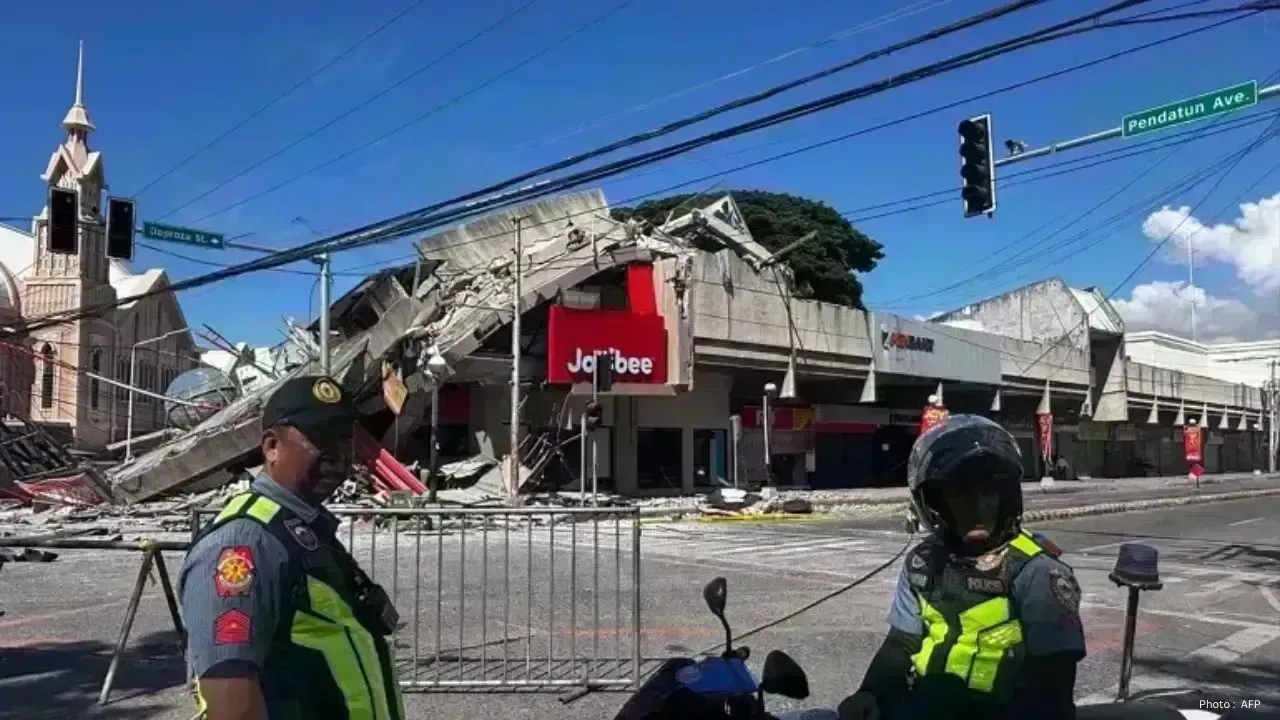
The ramifications of a powerful earthquake extend beyond the immediate tsunami threat. Intense ground shaking can destroy infrastructure including buildings, roads, bridges, communication systems, and power networks. Communities might face disruptions affecting daily routines and economic activities, with recovery efforts often spanning weeks, months, or even years, depending on the extent of destruction.
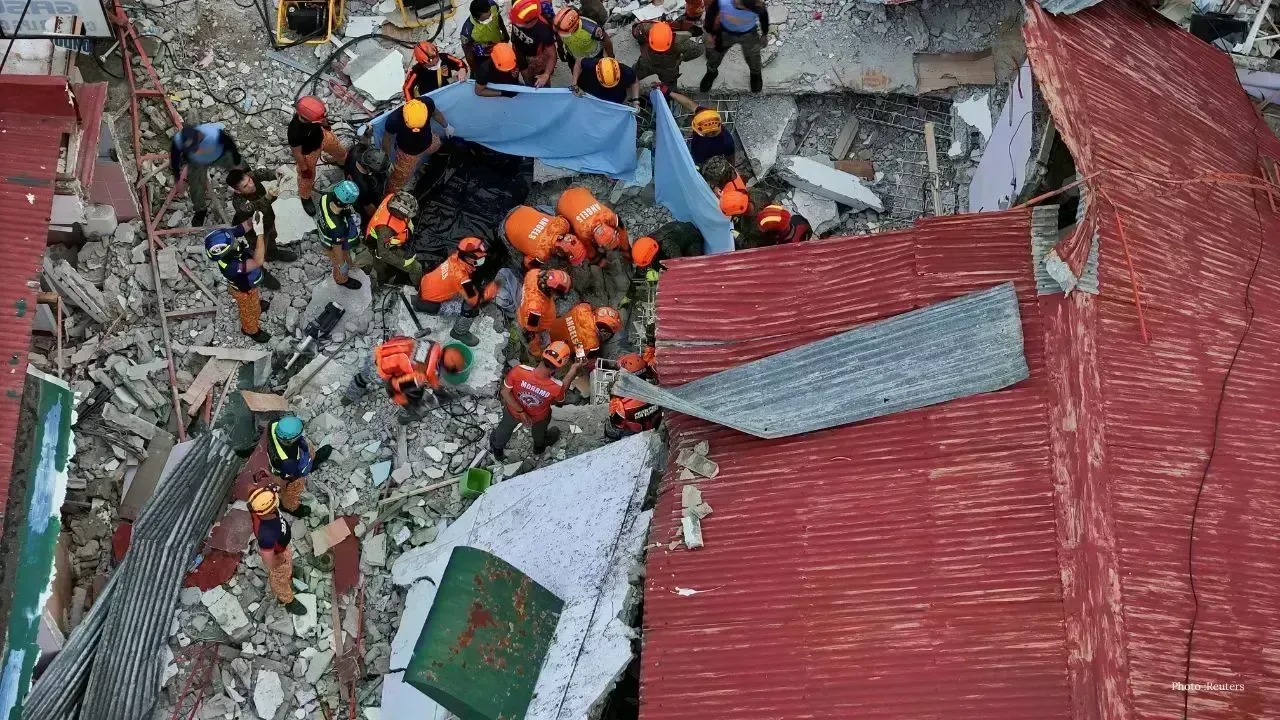
Natural disasters exert immense strain on emergency response services. Rescue teams, medics, and local officials must remain poised for quick intervention. Their efficiency is bolstered by meticulous planning and community cooperation. Locations that regularly conduct evacuation drills and safety awareness initiatives are generally better prepared to respond in adverse situations.
This seismic occurrence has also gained international attention due to the potential for tsunami threats to transcend borders. Waves created by substantial undersea earthquakes can traverse vast ocean distances, compelling neighboring countries and even far-off coastal areas to monitor the developments closely. Collaborative international efforts among scientific authorities play a crucial role in exchanging data to safeguard populations around the Pacific basin.
The effects of climate and geography can amplify such disasters' impacts. Coastal neighborhoods, fisheries, tourist destinations, and ports often find themselves facing heightened vulnerabilities. When infrastructure sustains damage or commercial activities come to a halt, the economic repercussions can be severe, making robust disaster preparedness systems vital for island nations and coastal economies.
This latest seismic event reaffirms the unpredictable nature of geological phenomena, regardless of advancements in scientific and technological capabilities. While researchers can delineate risk zones and enhance warning systems, they cannot avert earthquakes' occurrence. What can be influenced, however, is the level of readiness exhibited by governments, organizations, and communities.
Effective public education remains one of the most crucial methods for minimizing disaster-related losses. Individuals who comprehend evacuation protocols, emergency communication channels, and safety measures can better safeguard themselves and their families. Continuous outreach campaigns are essential to ensure that communities are primed for forthcoming emergencies.
The Pacific region has endured numerous significant earthquakes in its history, reinforcing the paramount importance of resilience. Investments in fortifying infrastructure, modernizing monitoring technologies, and synchronizing emergency strategies have diminished risks in many regions. Nevertheless, sustained efforts are imperative because seismic activity remains an enduring reality for countries situated along pivotal fault lines.
The recent earthquake serves as a stark reminder of the critical need for preparedness, collaboration, and swift response. As authorities continue their efforts to evaluate the situation and monitor any aftereffects, this incident underscores the effectiveness of early warning systems and community awareness. In a region where natural hazards are unavoidable, being ready is the most formidable defense against future disasters.


 English