Post by : Saif
Al-Najjar
The impending expiration of the New START treaty is drawing global attention. With less than two months until its February 5 deadline, Russia is still waiting for a formal reply from the United States, a delay that raises alarm about future nuclear stability worldwide.
New START imposes limits on the number of strategic nuclear warheads and long-range missiles that both nations are allowed to maintain. For over a decade, this treaty has served as one of the surviving barriers preventing an all-out nuclear arms race, and without it, the two largest nuclear powers could potentially escalate their arsenals during a period rife with geopolitical tensions.
In September, President Vladimir Putin proposed a one-year extension of the treaty's limits, contingent upon a reciprocal agreement from the U.S. Former President Donald Trump acknowledged the proposal in October, claiming it was “a good idea.” However, no formal response has been forthcoming from Washington.
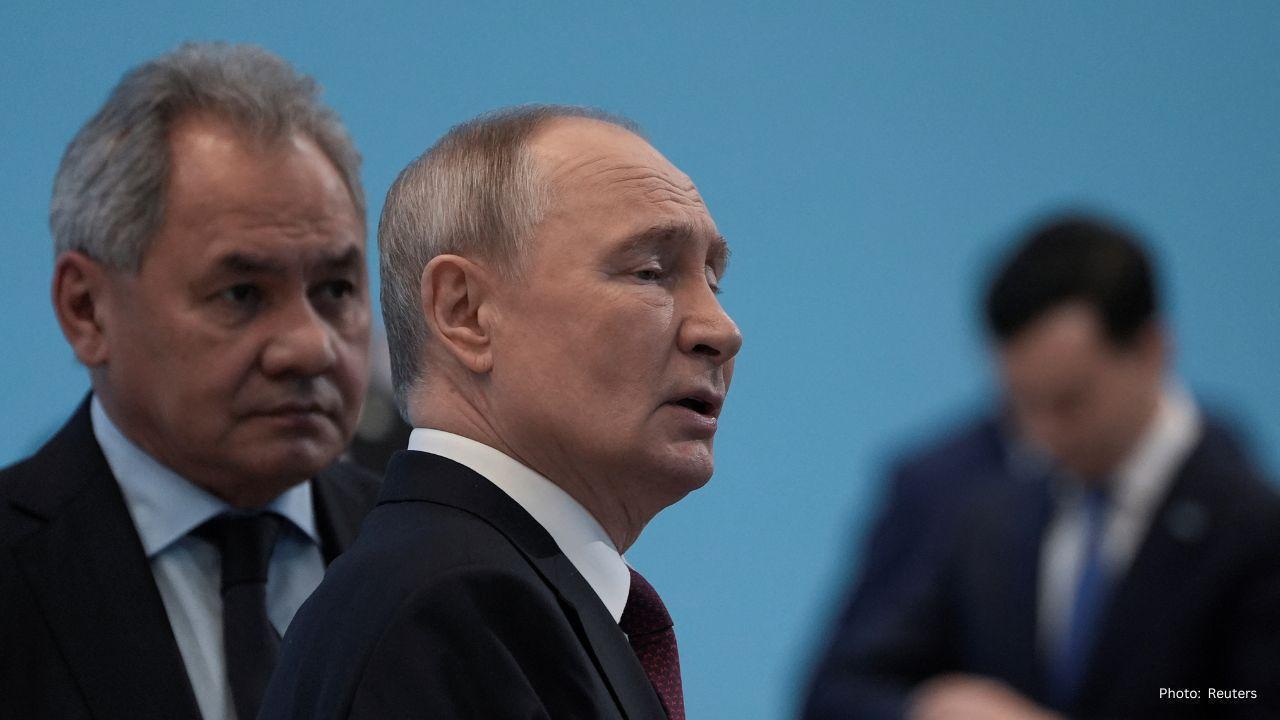
Russian Security Council Secretary Sergei Shoigu highlighted the urgency during a recent statement in Hanoi. He stressed that Moscow's proposal could halt the current “destructive movement” in nuclear arms control, issuing a clear warning that the world faces increasing danger without cooperation.
This moment is particularly critical as Russia and the United States collectively possess over 10,000 nuclear warheads—accounting for about 87% of the global total. Meanwhile, China continues to modernize its arsenal, albeit on a smaller scale, emphasizing the crucial need for arms control as nuclear powers accelerate modernization efforts.
Many previous arms control agreements between the U.S. and Russia have deteriorated, exacerbated by a decade-long decline in relations over NATO issues and the Ukraine conflict. Both sides accuse each other of recklessness, resulting in the breakdown of trust and the collapse of agreements that previously helped prevent miscommunication.
The U.S. National Security Strategy aims to “reestablish strategic stability with Russia,” which implies reopening discussions on nuclear arms limits. However, with time pressing, substantial advancements are needed soon.
Rose Gottemoeller, who was the lead U.S. negotiator for New START, recently argued that sustaining the treaty would be mutually beneficial. She emphasized that keeping the agreement would allow Washington more time to assess China’s rising nuclear capabilities, without the immediate concern of rapid Russian buildup.
This situation underscores a significant reality: managing global security becomes extremely convoluted when major nuclear states operate independently. In the absence of rules and transparent communication, misunderstandings can quickly ensue, with potential catastrophic consequences for nuclear policy.
The current juncture requires astute leadership and sound decision-making from both the U.S. and Russia. If they permit New START to lapse without a temporary extension, the world stands to face heightened uncertainty and risk. An arms race revival would squander resources, breed distrust, and elevate conflict dangers.
As the February deadline approaches, the onus is on Washington and Moscow to demonstrate that even amid challenges, they can prioritize global security. Their forthcoming decisions will significantly influence nuclear stability for years to come.


 English