Post by : Saif
Al-Najjar
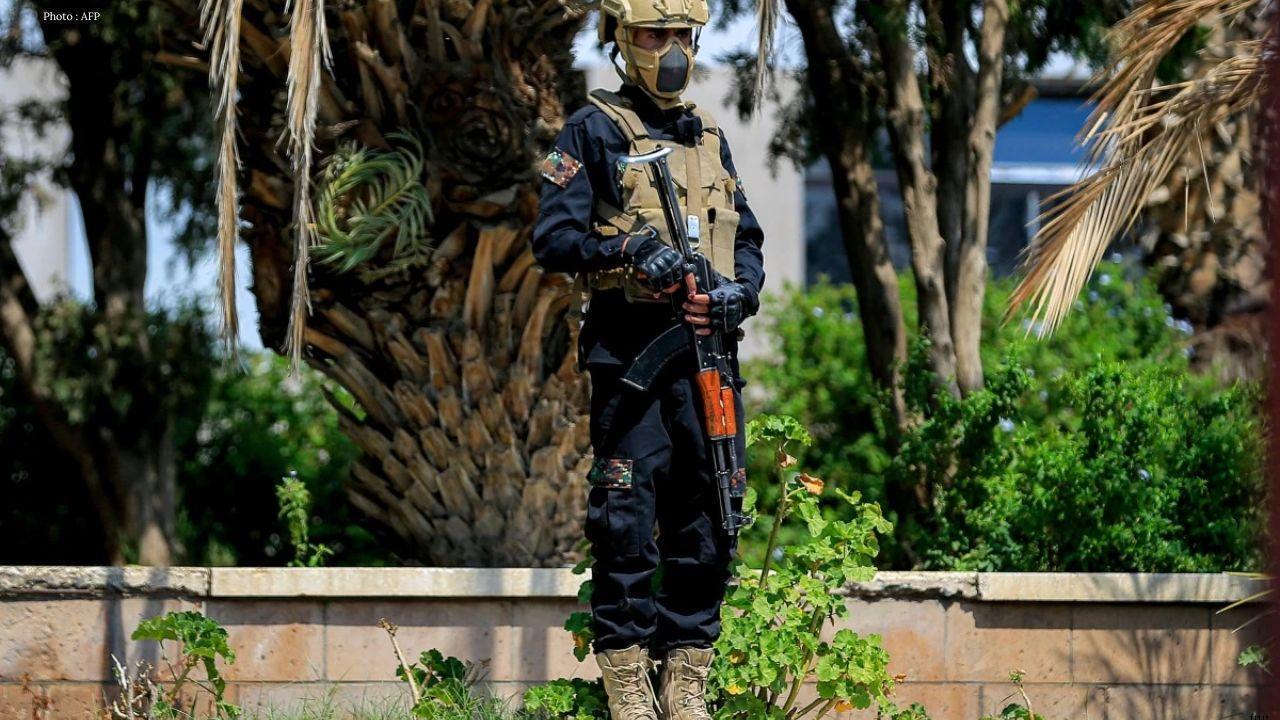
In a stark warning to the United Arab Emirates, Saudi Arabia has declared that its national security is a non-negotiable “red line” and has ordered Emirati forces to vacate Yemen within a tight 24-hour window. This announcement follows an airstrike by the Saudi-led coalition on Mukalla, Yemen's southern port, further intensifying the stress between the two nations.
Rashad al-Alimi, the Saudi-supported head of Yemen’s presidential council, made the announcement for the withdrawal of UAE forces and the termination of a defense pact with Abu Dhabi. He criticized the UAE for allegedly fostering instability and backing armed factions that oppose Yemen's legitimate authority.
Al-Alimi claims that the UAE has urged the Southern Transitional Council (STC), the primary southern separatist faction in Yemen, to increase military hostility against government troops. Saudi Arabia has echoed this sentiment, urging the UAE to heed the withdrawal order. The UAE’s foreign ministry has yet to respond to these charges.
This rising tension follows fresh confrontations in southern Yemen, where the STC initiated a military campaign in Abyan province. These clashes have brought Saudi-aligned government forces and UAE-supported separatists to the brink of open conflict, a precarious situation in a nation already ravaged by civil strife for over a decade.
Saudi state media confirmed that the Saudi-led coalition executed a limited airstrike on Mukalla port after two vessels arrived from the UAE's Fujairah port without appropriate authorization. The coalition asserted that the ships had turned off their tracking systems and offloaded armaments and vehicles designated for the STC.
Officials reported that the airstrike resulted in no injuries or damage to civilian areas, with sources suggesting it targeted the unloading point directly. Subsequently, Yemeni authorities established a temporary no-fly zone and enforced a maritime and land blockade, with limited exceptions sanctioned by the coalition.
Once a vital player in the Saudi-led effort against the Iran-aligned Houthi movement in northern Yemen, the UAE had cut back its military presence since 2019, yet continues to back allied factions in the south, including the STC.
The STC maintains control over significant areas in southern Yemen, particularly the crucial province of Hadramout, which shares borders with Saudi Arabia and has profound cultural ties to the kingdom, making any developments there particularly significant for Riyadh.
Previously, Saudi Arabia had cautioned the STC against extending its military reach and mandated a withdrawal from parts of Hadramout, which the separatists have resisted, exacerbating the ongoing crisis.
The Saudi-led coalition has communicated its intention to continue prohibiting any foreign military assistance to Yemeni factions unless it operates in coordination with the internationally recognized government. As tensions escalate, experts caution that frictions among erstwhile allies may further hinder stabilization efforts in Yemen and stall the pursuit of a resolution to its prolonged conflict.


 English