Post by : Meena
Hassan
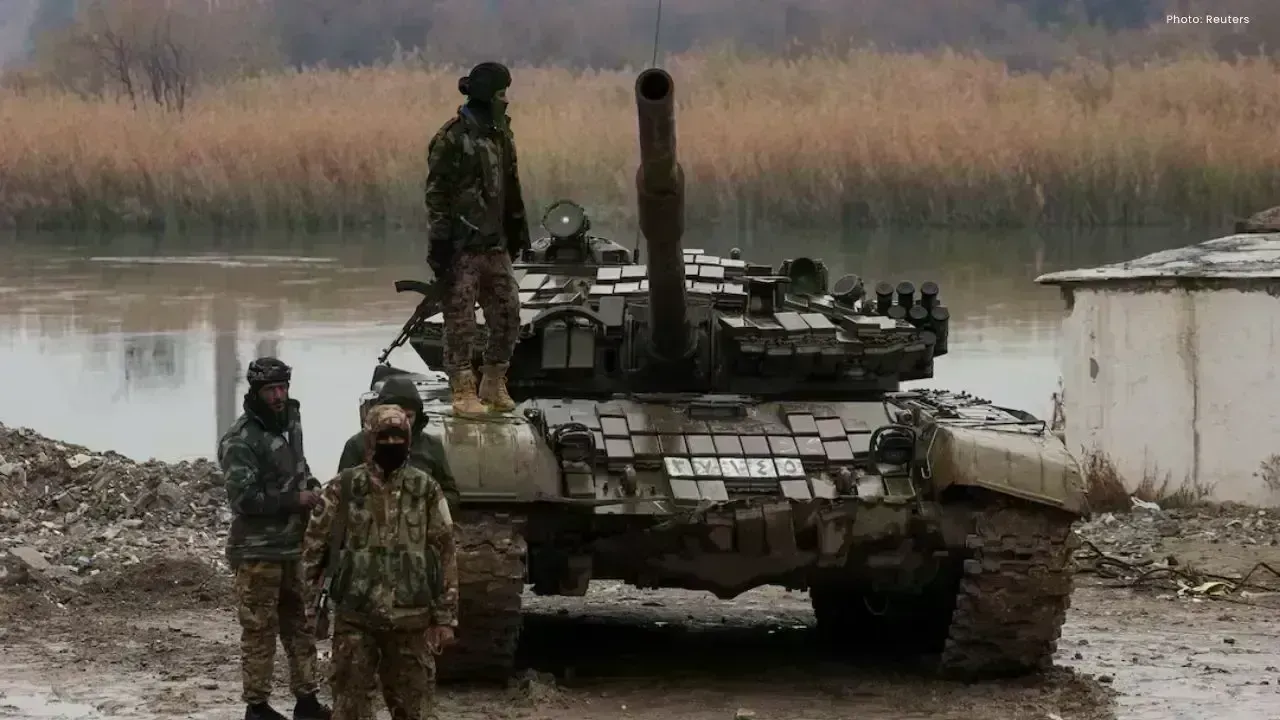
A pivotal moment has arrived for Syria following years of unrest and division. On Sunday, the Syrian government and the Kurdish-led Syrian Democratic Forces (SDF) formalized an extensive agreement that could redefine the nation's trajectory. The objective is to unify Kurdish military and civilian governance under the authority of the central government, concluding days of conflict and marking the end of a lengthy period of semi-autonomy in the northeastern territory.
This agreement follows escalated clashes, as Syrian forces advanced into territories long held by the SDF. These regions carry substantial significance, including Deir al-Zor, Syria's key area for oil and wheat production, and Raqqa, which is home to crucial dams that provide electricity and water along the Euphrates River. Control over these locations grants Damascus enhanced leverage over Syria's economic and infrastructural landscape.
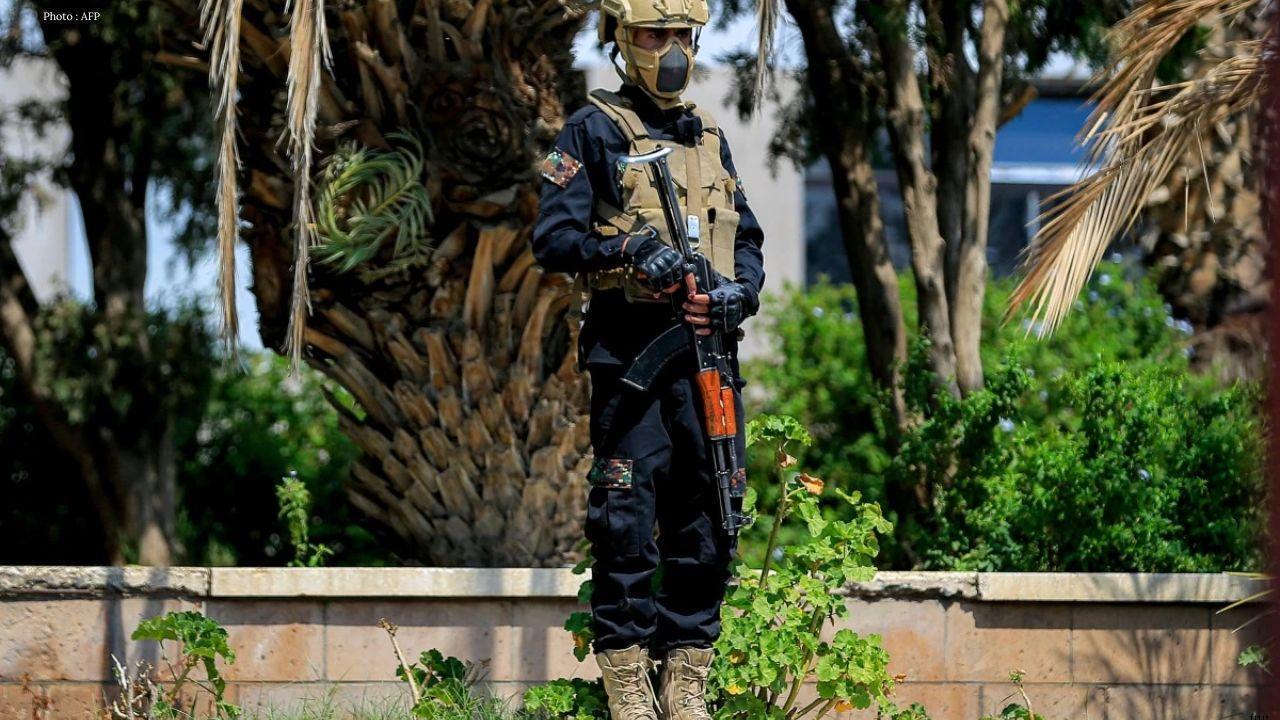
For over a decade, the SDF managed an autonomous region in northeastern Syria, supported by the United States, and played a significant part in overcoming the Islamic State in 2017. Over time, they established their security framework, local councils, and civil administrations. However, after former President Bashar al-Assad's fall in late 2024 and a new Islamist-led government emerging under President Ahmed al-Sharaa, the power dynamics shifted.
Negotiations between Damascus and the SDF have been ongoing for months, seeking full integration by late 2025. As that deadline approached without progress, tensions escalated, leading to intensified fighting as government troops quickly advanced into Kurdish-held areas. The recent agreement appears to be influenced by both military pressure and political dialogue.
According to the 14-point agreement, all SDF fighters will be incorporated individually into Syria’s defense and interior ministries, rather than as distinct Kurdish units. This was a significant demand by the Syrian government and a substantial concession from the SDF. The deal also stipulates the transfer of border crossings, oilfields, gas resources, and detention centers housing Islamic State affiliates and their families.
This agreement signifies a clear transferral of power towards Damascus. For Kurdish leadership, this represents a challenging compromise. SDF head Mazloum Abdi acknowledged his forces’ decision to retreat from Deir al-Zor and Raqqa, predominantly Arab areas. He described the recent confrontations as a conflict thrust upon his group, emphasizing their efforts to avoid it.
Nonetheless, the arrangement is not entirely one-sided. It permits the SDF to nominate Kurdish individuals for key military and governmental positions within the central authority. Additionally, it asserts that Hasakeh province, a Kurdish stronghold, will have a governor selected by consensus, suggesting an effort to uphold Kurdish political representation in a unified Syria.
A delicate aspect of the deal includes the commitment to expel all non-Syrian affiliates tied to the Kurdistan Workers’ Party (PKK). Turkey regards the PKK as a terrorist organization and has long claimed it influences SDF decisions. Damascus concurs with these allegations, while the SDF refutes them. Removing PKK-associated individuals might alleviate Turkish pressures and foster better regional relations.
International reactions underscore the intricacies of this juncture. The United States finds itself in a balancing act between two allies. For years, it has supported the SDF as a primary ally against the Islamic State while simultaneously endorsing President Sharaa's commitment to reestablishing a unified Syrian government. U.S. envoy Tom Barrack described the deal as a "pivotal inflection point," yet cautioned that numerous complex elements remain unresolved.
Turkey welcomed the accord, expressing hope that it would facilitate peace and stability in Syria and the broader region. Ankara's response indicates the regional desire to dissolve armed groups operating beyond state oversight.
Despite the agreement, on-ground conditions stay precarious. Reports of sporadic confrontations suggest that not all factions have completely halted operations. The forthcoming 24 to 48 hours, when territorial handovers are anticipated, will be critical. The effectiveness of this transition will test both parties' seriousness.
Additionally, there are profound apprehensions to address. Many Kurds harbor concerns about their future under the newly established government, particularly in light of last year’s sectarian violence resulting in thousands of Alawite and Druze casualties at the hands of government-aligned forces. Such events have intensified doubts about Damascus's capability to safeguard Syria's diverse communities.
Although this agreement may signal the conclusion of a specific conflict phase, Syria's enduring quest for peace remains unresolved. The deal is influenced by force, fear, and exhaustion following years of warfare. Whether it leads to genuine unity or merely another form of dominance will hinge on the execution of its terms in the ensuing weeks and months.
Currently, Syria stands at a critical juncture. The conflict may have quieted, but the monumental task of fostering trust, equity, and stability in a deeply fractured nation is only just beginning.


 English