Post by : Anis
Al-Rashid
Understanding the Impact of Ice Storms on America
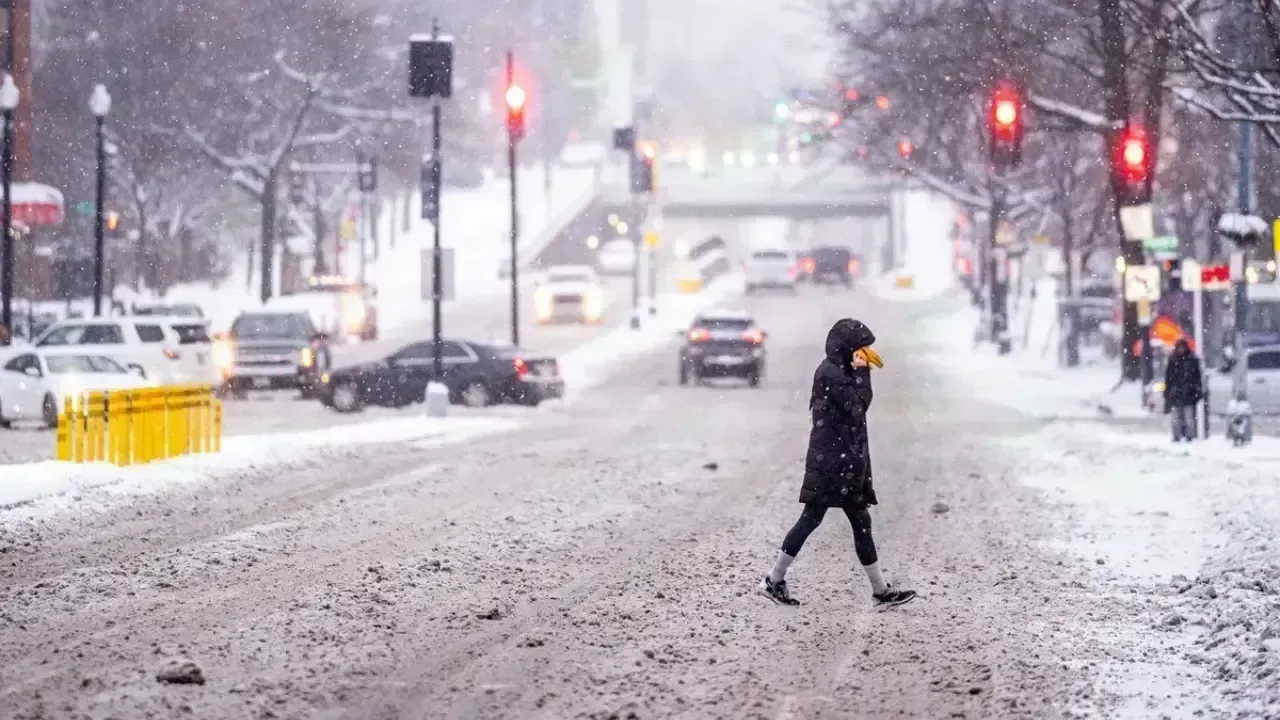
Ice storms represent some of the most hazardous and damaging forms of winter weather across the United States. Unlike snowstorms that primarily bring heavy snowfall, these storms deposit layers of freezing rain that can solidify into thick ice. The accumulation leads to fallen tree limbs, power outages affecting millions, road closures, and economic losses that can reach billions. Their unpredictable nature makes ice storms particularly perilous, especially when forecasts struggle to keep pace with rapidly changing conditions.
Historically, some of the most catastrophic ice storms have transformed winter preparedness in various communities, driving advancements in weather technology and exposing weaknesses in critical infrastructure. Due to the solid ice formations they create, ice storms have a unique potential for causing structural failures and prolonged disruptions to power grids.
Defining America’s Most Severe Ice Storms
Several essential criteria are used to evaluate the severity of these storms:
-
Ice Accumulation: Measuring the thickness of ice formed by freezing rain, usually in inches.
-
Duration: Length of time freezing temperatures persist, allowing ice build-up.
-
Infrastructure Damage: Impact on power lines, trees, roads, and public utilities.
-
Total Human Impact: Number of fatalities, injuries, and those impacted.
-
Economic Impact: Calculated damages to infrastructure, homes, and businesses.
These criteria help identify the most transformative ice storms in terms of destruction and community resilience.
10. New Year’s Ice Storm — Northern Idaho, 1961
One of the earliest excessive ice storms recorded struck northern Idaho during the New Year’s period in 1961. Over three days, freezing rain created record ice accumulations — in some locales, up to eight inches — marking it as one of the most severe single-storm events in U.S. history. The massive ice accumulation resulted in widespread power failures and serious damage to foliage and infrastructure.
Although less populated than subsequent storm areas, its severe impact on small communities underscored the potential dangers of significant ice buildup even in isolated locations.
9. Atlanta and Southeast Ice Storm — January 2000
In late January 2000, a devastating ice storm swept through the southeastern U.S., affecting regions from Alabama to Georgia and the Carolinas. Notably, this storm struck days before the Super Bowl, stranding thousands and complicating logistics for the event.
The storm caused over half a million power outages, with many communities left without electricity for over a week and racking up over $1.2 billion in damages, adjusted for inflation. The infrastructure in these areas had historically been underprepared for such an event.
8. North Texas Ice Storm — New Year’s Eve, 1978
A severe ice storm hit north-central Texas on New Year's Eve in 1978, creating treacherous conditions across nearly 100 miles. Ice accumulations reached two inches, leading to major traffic disruptions and thwarting holiday travel plans.
The storm inflicted extensive tree and utility damage, resulting in prolonged power outages. This incident illustrated how such storms can quickly overwhelm infrastructure in regions unaccustomed to severe ice conditions.
7. Christmas Ice Storm — Mid-South, 2000
In mid-December 2000, an intense ice storm impacted the region from Texas through Arkansas and into Oklahoma during the Christmas holiday. More than 500,000 people lost power, marking one of the worst impacts on utilities in the area.
The storm showcased the vulnerability of southern states to winter storms, especially when they occur without the thorough preparedness seen in northern climates.
6. Ice Storm of 1994 — Mississippi & Surrounding States
In January 1994, Mississippi experienced a historic ice storm that resulted in the deployment of 200,000 gallons of de-icing chemicals in Clarksdale, illustrating the storm's severity and the challenges it posed for maintaining clear roadways.
Major arteries faced ice accumulation that stalled traffic, damaged trees, and disrupted economic activities. This storm served as a critical reminder of the need for resilience against such heavy ice events.
5. Arkansas and Kentucky Ice Storm — January 26-28, 2009
During late January 2009, freezing rain devastated northern Arkansas and Kentucky, laying down ice layers exceeding two inches in several areas. This accumulation crippled transportation, downed utility poles, and blocked vital routes, paralyzing communities.
State officials recognized it as one of the worst weather events in modern history, mobilizing the National Guard to assist with recovery efforts.
4. Great Ice Storm of 1951 — South to Ohio Valley
Known as one of the costliest ice storms, the Great Ice Storm of 1951 spread from Louisiana through Tennessee into the Ohio Valley. The intense ice resulted in enormous losses in livestock and timber, alongside significant damage to power infrastructure.
The estimated damages surpassed $100 million (in historical context) and remains a benchmark storm of its era.
3. December 2008 Northeastern U.S. Ice Storm
In December 2008, a fierce ice storm swept through the Northeastern U.S., impacting metro areas from Upstate New York through New England. Over 1.7 million residents lost power, with fallen utility lines and poles covered in ice blocking roads and causing widespread infrastructure damage.
This storm is recognized as one of the worst ice events in the region in two decades, resulting in significant delays in restoring services and widespread travel chaos.
2. January 2026 – Major Ice and Snow Storm (Fern)
The late January 2026 event, labeled Winter Storm Fern, has quickly gained notoriety as one of the most impactful ice storms in recent history. It brought extensive freezing rain and heavy accumulations across over 30 states, from the Deep South to the Northeast.
Power outages affected over a million customers, and travel disruptions were substantial, leading to emergency declarations in over a dozen states.
1. The Most Severe: (Historic Ice Storm — Title Varies by Region)
While various significant ice storms have been recorded in the past, the combination of the 2000 Atlanta ice event and the January 2026 storm ranks among the most severe ever documented when considering infrastructural damage, power outages, and overall economic loss.
Experts emphasize that ice accumulation exceeding certain thresholds can trigger emergencies, potentially leading to multi-day outages and severe infrastructure failures across regions previously unprepared.
The Ongoing Challenge of Ice Storms: Preparing for Future Events
Ice storms remain a modern concern, requiring communities and utilities to adapt their winter preparedness strategies. The extensive damage they inflict underscores the need for:
-
Enhanced forecasting techniques and early warning systems.
-
Improved utility infrastructure and effective tree maintenance.
-
Public education on winter preparedness and safety measures.
-
Coordinated regional responses for emergencies and shelter provisions.
As climate dynamics shift, the probability of sudden freezes and moisture events may rise, making proactive approaches vital for mitigating both human and economic challenges.
Disclaimer: This article serves to provide a historical overview of ice storm impacts and does not serve as a substitute for professional climate advice.


 English