Post by : Shweta
Travel analysts are advising individuals to insure their travel arrangements, as escalating geopolitical tensions are starting to impact the airline sector. McKenzie McMillan, managing partner at The Travel Group, noted that the conflict involving Iran is directly influencing airlines, which travelers may soon experience through increased costs and potential service interruptions.
McMillan pointed out that discounted travel options, such as companion fares and reward-based flights, are among the first to feel the strain. These tickets are particularly vulnerable to sudden price hikes, particularly with soaring fuel costs. Hence, travelers utilizing reward points or promotional rates might encounter elevated fees or limited availability.
The primary concern for the aviation sector is the rising cost of aviation fuel, closely tied to fluctuations in global oil markets. Should the situation escalate, airlines may be forced to curtail flight numbers to control operating expenses, resulting in cancellations and fewer travel choices, particularly during peak travel times.
For travelers purchasing standard tickets, the impact may not be as immediately visible. McMillan highlighted that many carriers already incorporate fuel surcharges within the ticket costs. However, even a slight uptick in fuel expenses can increase fares by $60 to $100 or more. While this may appear trivial for some, it can accumulate significantly for families or long-haul journeys.
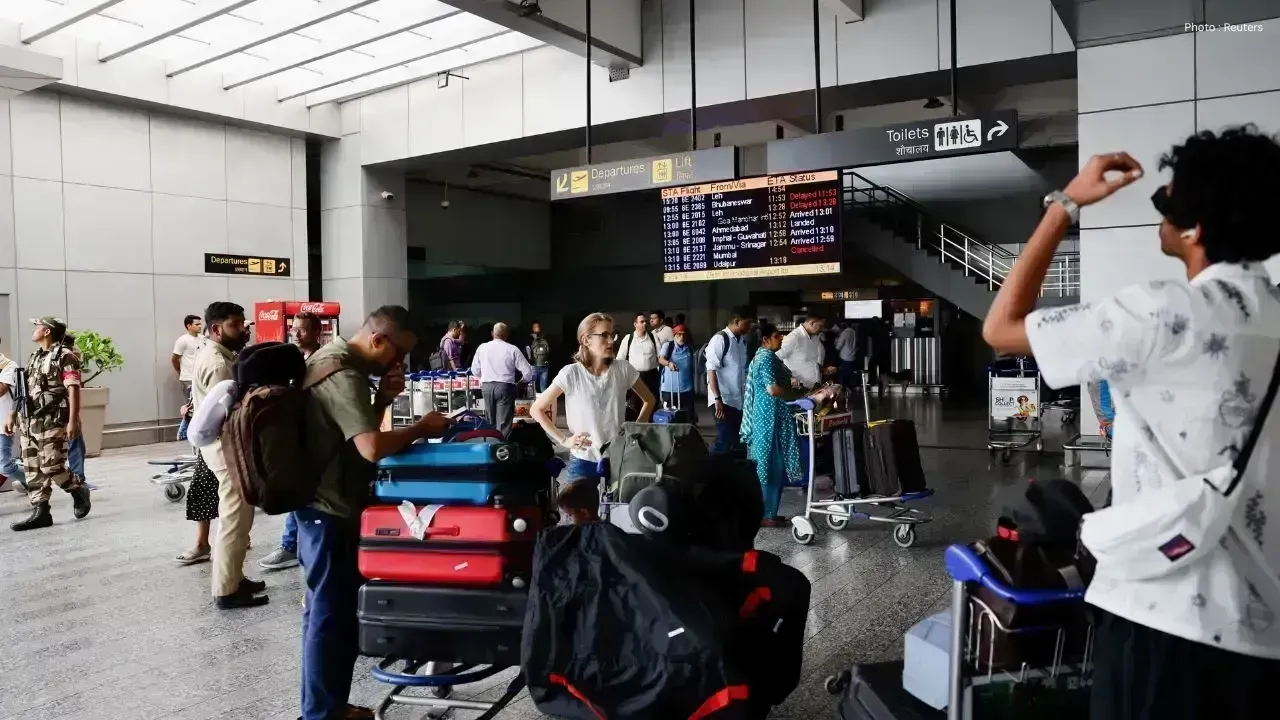
Another critical issue is the disruption of travel during peak holiday seasons. Airlines often face full bookings, complicating their ability to accommodate passengers if flights are canceled. McMillan referenced recent cases wherein travelers experienced prolonged delays due to a lack of seats following cancellations.
In response to rising expenses, several Canadian airlines have begun implementing changes. WestJet has initiated a temporary fuel surcharge on selected bookings and is scaling back some flight schedules. Likewise, Air Canada has revised its fare structure and is evaluating the reduction of certain regional services. Additionally, Air Transat has introduced surcharges for flights to Europe and escalated fares during periods of high demand.
Experts indicate that the overall effect on travelers will hinge on the ongoing developments. Should tensions persist, travelers can expect further price hikes and disruptions. In the meantime, vacationers are strongly urged to safeguard their reservations with travel insurance to mitigate unexpected financial strains.
This situation underscores how worldwide events can swiftly alter the landscape of travel, emphasizing the necessity for passengers to strategize carefully and remain informed prior to booking journeys.


 English