Post by : Saif
Al-Najjar
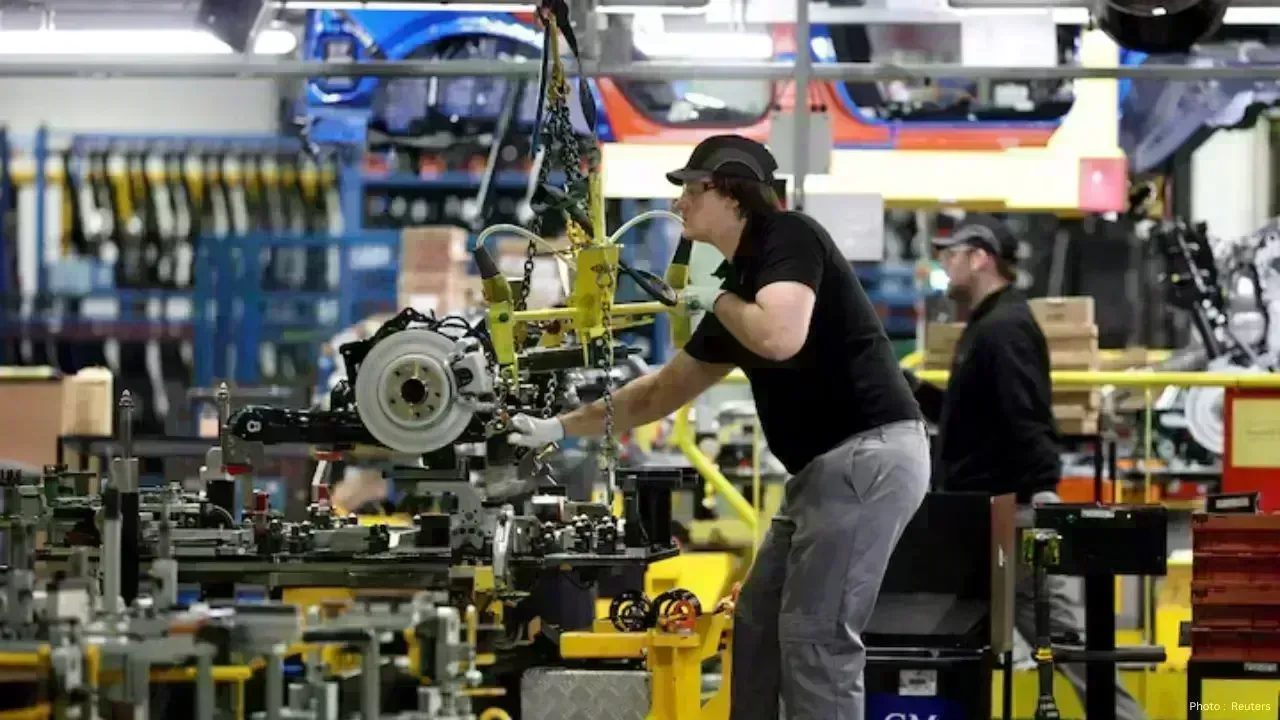
Factories throughout the UK are encountering mounting challenges as the ongoing conflict involving Iran disrupts global supply chains. Businesses are now grappling with soaring costs, delayed shipments, and growing uncertainty about future developments.
Recent statistics indicate that while UK manufacturing activity is still on the rise, the growth rate is showing signs of strain. Companies are experiencing significant hikes in raw materials and energy costs, which are closely tied to geopolitical tensions and regional instability.
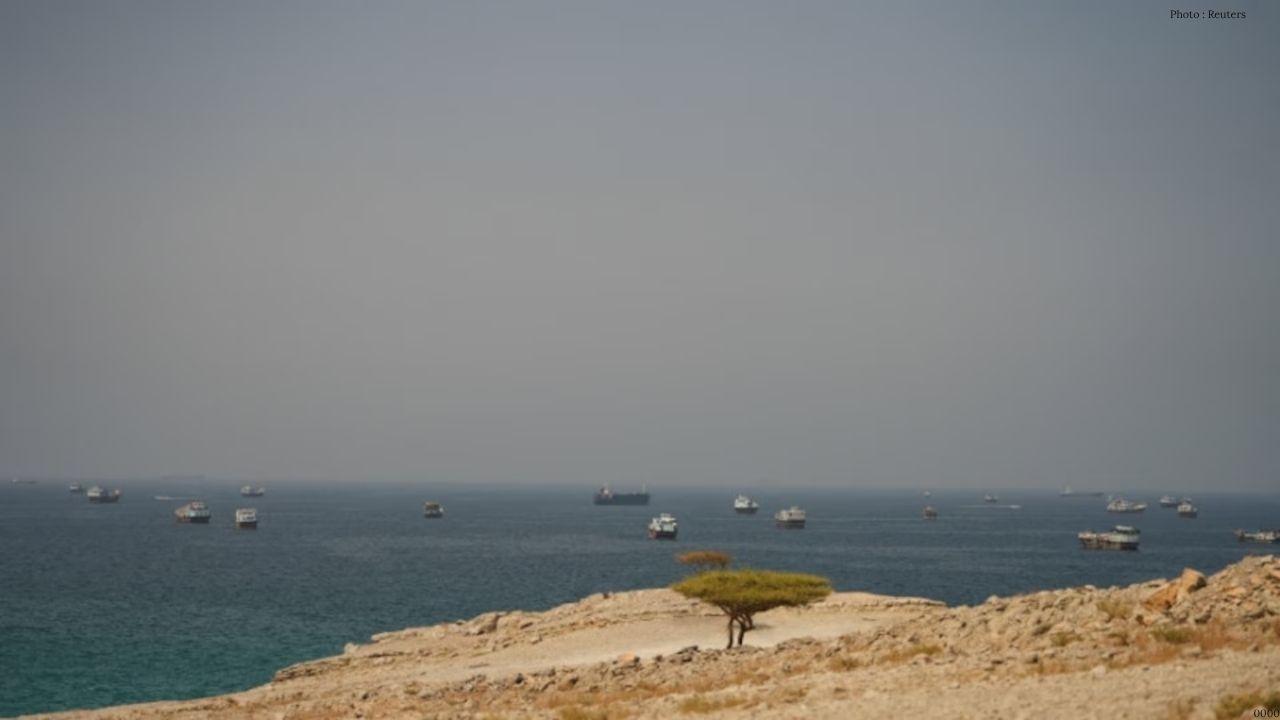
Disruptions to critical shipping routes present one of the main hurdles. When conflicts impede major transportation paths, it complicates and elevates the costs of moving goods. Businesses often resort to longer delivery routes, which lead to increased time and expenses.
This scenario has resulted in longer waiting times for UK factories. Many enterprises face delays in receiving essential materials for production, slowing operations and diminishing efficiency, which hinders their ability to meet market demand punctually.
In addition, rising energy expenses compound the issue. Given the manufacturing sector's heavy reliance on energy, heightened fuel costs make production costlier. Consequently, many companies are compelled to transfer these expenses to consumers, resulting in escalated prices for end products.
The ramifications extend beyond the UK. The effects of the Iran-related conflict ripple through international markets as soaring oil prices, supply disruptions, and transportation challenges hinder industries globally.
To navigate these circumstances, some companies have begun stockpiling additional resources. While this enables continued short-term production, it is not a sustainable strategy. Prolonged supply challenges could eventually deplete these reserves, leading to more complex issues.
Business morale has also been adversely affected. Many manufacturers are anxious about uncertainties ahead, especially if costs keep escalating and delays persist. This unpredictability could influence investment choices and strategies for the long term.
Inflation emerges as another vital concern. An uptick in production costs inevitably translates to increased prices for goods, affecting both organizations and consumers alike. Higher prices can diminish purchasing power, possibly hindering overall economic growth.
Notwithstanding these obstacles, certain segments within the manufacturing sphere continue to exhibit resilience. Some businesses are still hiring and sustaining production rates. However, the stability of this trend may waver if global conditions continue to fluctuate.
This situation underscores the interconnectedness of the global economy. A conflict in one geographical location can swiftly impact industries in another. In this scenario, escalating tensions in the Middle East are directly influencing UK manufacturing.
It also emphasizes the necessity for adaptable supply chains. Companies overly reliant on limited suppliers or routes are more susceptible to crises. Businesses may now seek innovative solutions to mitigate risks in the future.
Governments and policymakers are also confronted with challenges in these scenarios. They need to devise strategies to manage rising prices while also fostering economic growth—a daunting task amid global uncertainties.
For ordinary citizens, the consequences could manifest in their daily lives. Increased production costs may lead to pricier consumer goods, impacting household finances. Thus, it is crucial for both companies and government entities to handle these circumstances judiciously.
These current challenges serve as a poignant reminder of the pivotal role global stability plays in economic growth. As long as disruptions persist, industries will need to adapt and innovate their operational strategies.
UK manufacturers are currently maneuvering through these turbulent changes, yet the path ahead remains largely unpredictable. Their capacity to address rising costs and delivery delays will be significant for the future of the manufacturing landscape.


 English