Post by : Saif
Al-Najjar
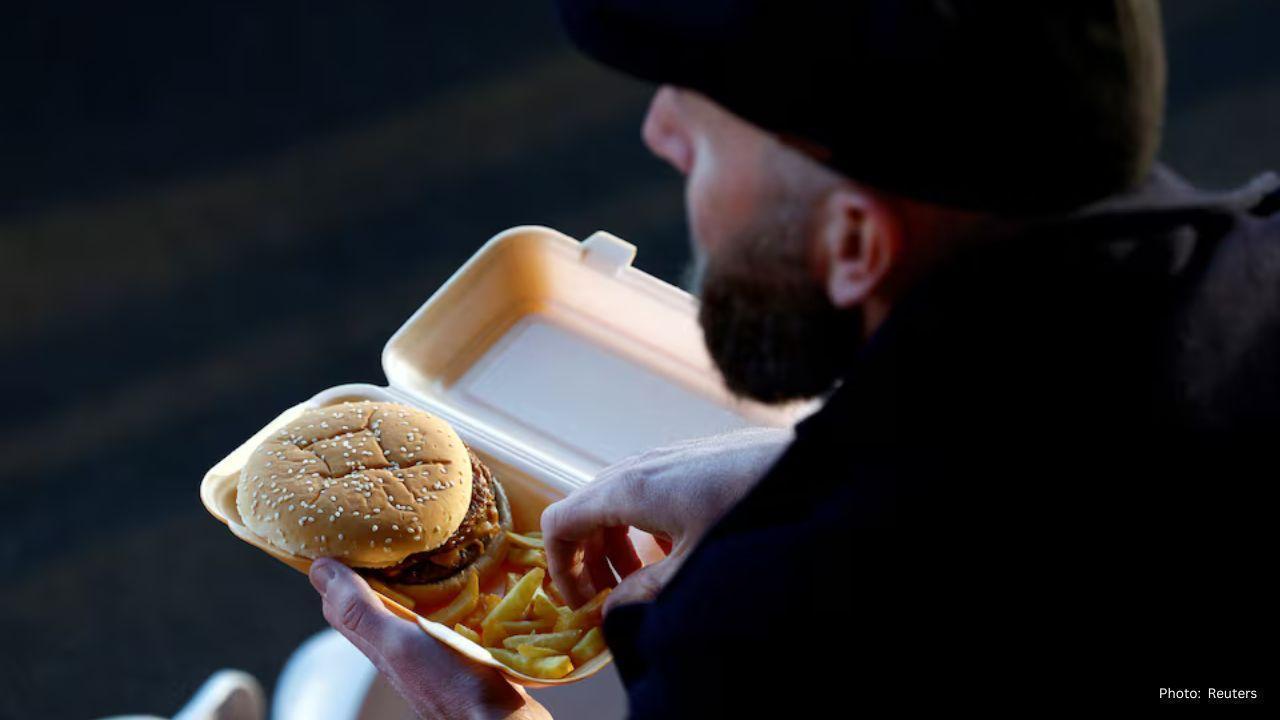
A significant transformation is occurring in the UK’s sports venues and entertainment stadiums. The beloved beef burger is being phased out as venues like Brentford’s Gtech Stadium unveil wild venison burgers, striving for a reduction in carbon emissions and a commitment to sustainability.
Levy UK, the hospitality partner involved, reports that this initiative is being deployed in over 20 stadiums and event locations throughout the UK and Ireland. The change from beef to wild venison has potential emissions reductions of up to 85%, amounting to nearly 1,182 tonnes of carbon dioxide equivalent saved per year. This marks a substantial advancement towards eco-conscious dining in crowded venues.
James Beale, Head of Sustainability and Community at Brentford Football Club, highlighted the rationale for the change, noting that beef is amongst the most carbon-intensive foods. By offering wild venison—which has a considerably lower carbon impact—stadiums can significantly benefit the environment. According to Beale, this shift is not only beneficial for the planet but also meets fan approval and practicality.
The wild venison burgers are packaged in environmentally-friendly materials and served with condiments created from surplus vegetables. Levy UK states that the quantity of venison utilized corresponds to what would have been 54 tonnes of beef. This initiative aims to minimize waste, curb water pollution, and bolster biodiversity.
The introduction of venison burgers started at Brentford’s stadium. Following this, nearly 5,500 venison burgers were sold at Twickenham Stadium within a month, including at the recent Women’s Rugby World Cup final in September. Feedback from fans indicates a preference for the venison option over the previous beef burger.
Though certain independent analyses present varying carbon savings, the overall consensus supports this as a greener alternative. With nearly two million wild deer in the UK and no natural predators, their meat is increasingly recognized as a sustainable choice for consumption.
Levy UK emphasizes that incorporating wild venison lessens reliance on factory-farmed meats and mitigates the environmental impact associated with cattle farming. It also aids in conserving natural habitats and promotes biodiversity. Each event brings in thousands of patrons; hence, even slight adjustments in food selections can significantly influence environmental outcomes.
This initiative's reach includes renowned locations such as The Oval cricket ground, The O2 arena, the National Theatre, and the National Exhibition Centre. As more venues join the movement, it may encourage additional public spaces to reassess their food systems and pursue emission reductions.
The transition from beef to venison is aligned with a global initiative to enhance food system sustainability. While some loyalists may lament the beef burger’s exit, numerous others are embracing this innovation as delicious, responsible, and environmentally sound.
Such shifts illustrate how simple stadium snacks can contribute to combatting climate challenges. If more entities adopt similar practices, it could pave the way toward a healthier, more sustainable planet for all.


 English