Post by : Shweta
A resident of Winnipeg is shedding light on her distressing experience after falling victim to a sophisticated banking scam, which led to TD Bank denying her request for a refund. This situation has sparked significant debate regarding the effectiveness of fraud protection measures and the safeguarding policy for customers in the banking sector.
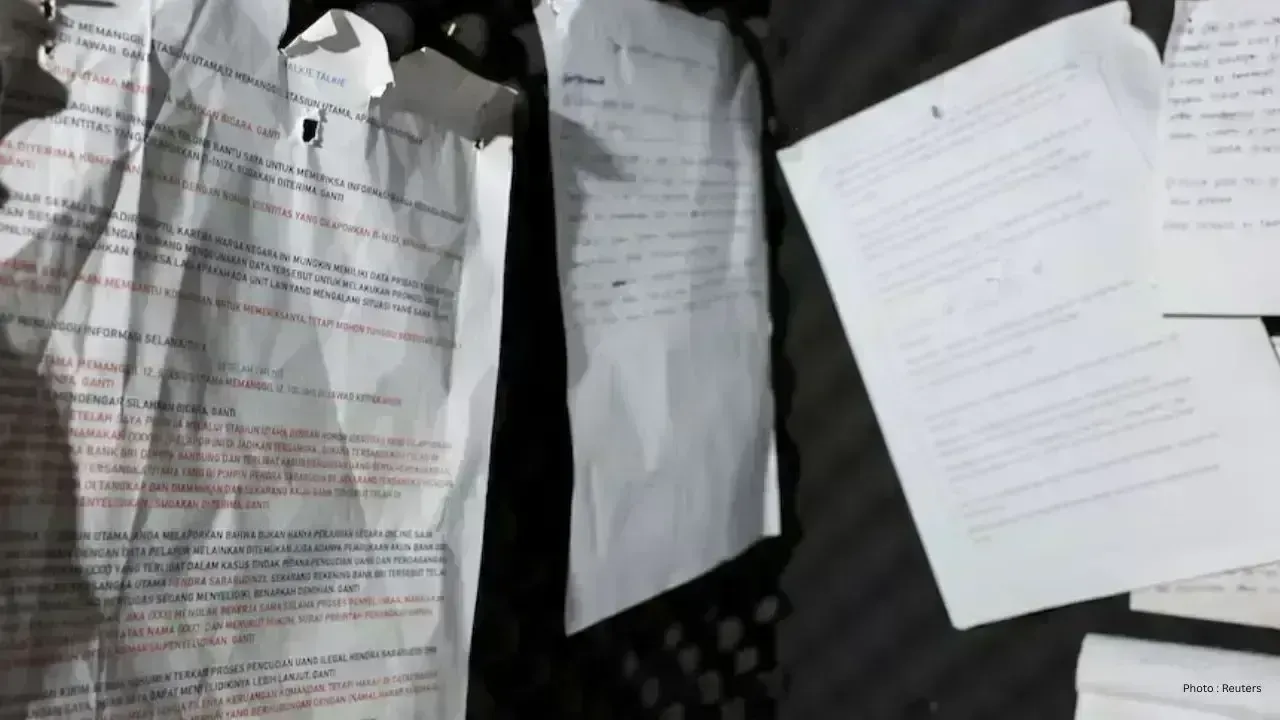
Lisa Taron, aged 62, detailed how the ordeal began in February with a telephone call from someone portraying themselves as a member of TD Bank’s fraud department. The caller, appearing credible, informed her about alleged suspicious activities on her account and had already accessed some of her sensitive information. Lisa consented to confirm her identity by replying 'yes' to a text she received, not realizing it was a part of the scam.
Despite her rising suspicion and promptly reaching out to her bank, she learned her account had been compromised. Unfortunately, the scammers siphoned off about $2,500 through a series of small withdrawals. They also exploited the bank's mobile app, depositing a $100 cheque multiple times, withdrawing funds prior to the cheques bouncing, which tallied to an additional loss of roughly $2,100.
This left Taron with a total loss of $4,650. She characterized the transactions as highly suspicious and challenged the bank's ability to detect such obvious fraudulent activities, like rapid withdrawals and duplicate deposits. In her view, the bank's systems should have signaled clear warnings that warranted immediate action.
Contrary to her expectations, TD Bank declined her request for a refund, maintaining that individual assessments are conducted for each case of fraud. Due to privacy policies, specific details about her situation were not disclosed, yet the bank reiterated that customers must refrain from sharing verification codes or placing trust in unsolicited communications, no matter how legitimate they seem.
This financial devastation has severely impacted Taron’s life. Living on a constrained income has made affording essential costs such as rent, groceries, and medication extremely difficult, forcing her to lean on family for help. Additionally, she expressed concern about the potential repercussions for other susceptible individuals, particularly the elderly, who may likewise be targeted by such scams.
Experts indicate that these scams are evolving in sophistication, employing tactics like caller ID spoofing and realistic hold music to build credibility. Taron now emphasizes the importance of verifying suspicious calls by directly reaching out to banks using officially listed numbers.
This case underscores the imperative for enhanced security in digital banking to shield customers against the ever-evolving landscape of financial fraud.


 English