Post by : Mikhael
Al-Saeed
Revitalize Your Hair: Effective Yoga and Pranayama Techniques
Worried about hair loss? You're not alone. Many individuals, including students and professionals, are losing hair due to daily stresses, increased screen time, and unhealthy habits. Over time, these factors can weaken hair strands and lead to noticeable thinning.
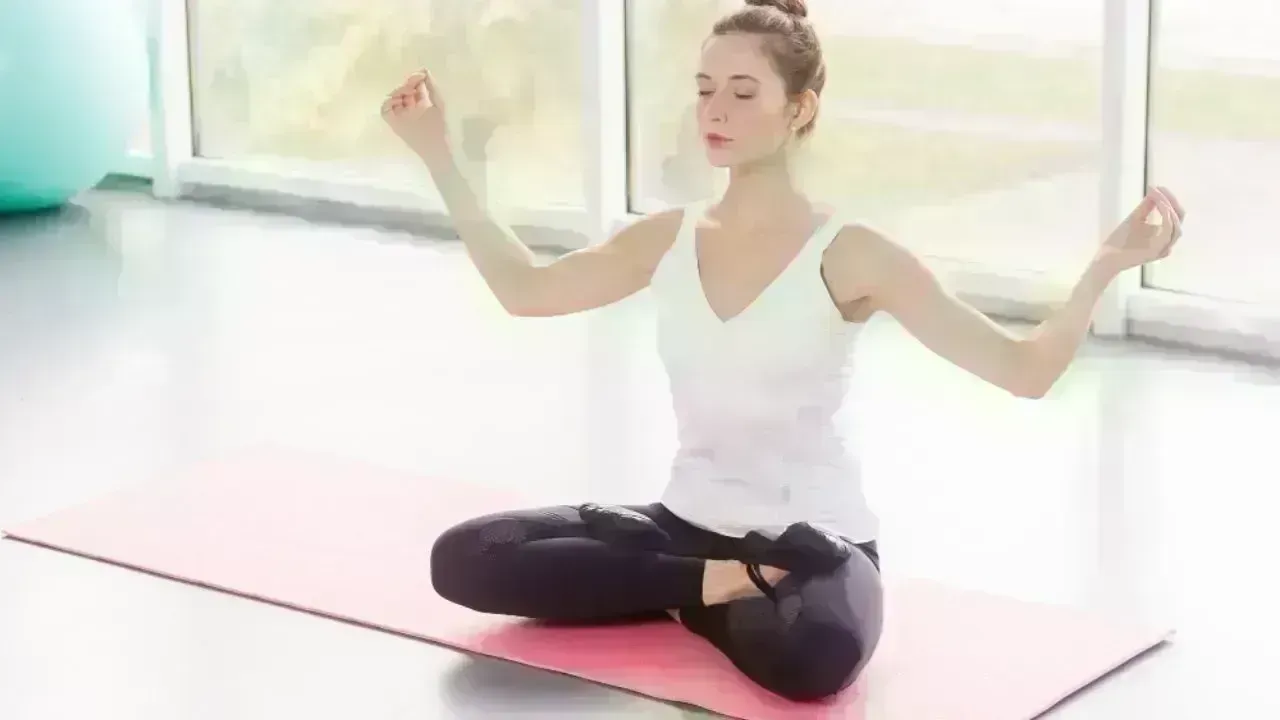
Fortunately, expensive hair treatments aren't always necessary. Incorporating yoga, pranayama (breath control), and soothing self-massage techniques can enhance blood circulation, alleviate stress, and promote natural hair growth.
Let’s explore how to establish this beneficial routine.
Understanding Stress and Hair Loss
Normal hair shedding occurs daily, but excessive loss indicates an internal imbalance. Key contributors include:
Among these, stress is often a significant yet overlooked factor impacting hair health.
The Impact of Stress on Hair Growth
Elevated stress levels lead to several physiological responses that can hinder hair growth:
1. Reduced Scalp Blood Flow
Stress constricts blood vessels, decreasing essential nutrient delivery to hair roots.
2. Increased Stress Hormones
Cortisol disrupts the hair growth cycle, promoting premature shedding.
3. Stiff Scalp Muscles
Tension leads to reduced scalp flexibility, hampering new hair growth.
This highlights the power of yoga and pranayama in soothing the mind and restoring blood flow to the scalp.
Yoga’s Role in Strengthening Hair
Yoga not only promotes mental peace but also fosters overall well-being. A healthy scalp is indicative of overall health, and regular yoga practice can:
-
Enhance blood circulation
-
Alleviate mental stress
-
Encourage deeper breathing
-
Soothing the nervous system
-
Aid in hormonal balance
-
Boost nutrient absorption
These benefits position yoga as an effective remedy for those grappling with significant hair loss.
A Simple 10-Minute Yoga Routine for Hair Health
Implement this routine each morning or evening.
1. Forward Bend (Uttanasana)
Bend forward and let your head hang freely.
Benefit: Promotes blood flow to the scalp, nourishing hair roots.
2. Camel Pose (Ustrasana)
Arch your back while lifting your chest.
Benefit: Expands chest and lung capacity, enhancing overall oxygen flow.
3. Child’s Pose (Balasana)
Kneel and stretch forward with your arms.
Benefit: Eases mental tension, promoting relaxation.
4. Downward Dog (Adho Mukha Svanasana)
Elevate your hips, forming an inverted “V” shape.
Benefit: Increases blood flow to the head and reduces shoulder stiffness.
Five Pranayama Techniques for Hair Vitality
Breathing techniques significantly improve oxygen intake while reducing stress, both vital for hair health.
1. Anulom Vilom
Alternate breathing through each nostril.
Benefits: Helps balance hormones and calms the mind.
2. Kapalabhati
Engage in quick, sharp exhales while tightening your stomach.
Benefits: Aids in detox and digestion, enhancing hair strength.
3. Bhramari Pranayama
Create a soft humming sound while exhaling.
Benefits: Instantly relaxes and alleviates tension.
4. Sheetali Pranayama
Inhale cool air through the mouth.
Benefits: Reduces heat-induced hair loss.
5. Deep Breathing
Fill your lungs slowly and exhale gently.
Benefits: Enhances oxygen delivery and scalp circulation.
Even a brief daily practice can yield significant results in weeks.
Self-Massage for Strengthening Hair Roots
Massage is vital for scalp nourishment and increased circulation.
Warm Oil Massage
Utilize oils such as coconut, almond, or bhringraj.
Warm oil fortifies weak roots and curtail breakage.
Fingertip Massage
Employ gentle circular motions with your fingertips.
This relieves tension and improves blood flow.
Pressure Point Massage
Gently press points around the crown, temples, and back of the head.
This helps alleviate stress and stimulates growth.
Nutritious Foods for Natural Hair Growth
Diet significantly influences hair quality. Incorporate:
These items supply necessary proteins, vitamins, and healthy fats essential for robust hair.
Daily Routines to Minimize Hair Loss
-
Aim for 7-8 hours of sleep
-
Stay hydrated
-
Avoid tight hairstyles
-
Limit heat styling
-
Shower after heavy sweating
-
Select gentle shampoos
-
Incorporate yoga or light walking daily
Gradual adjustments can yield lasting benefits.
Frequently Asked Questions
1. When will I notice improvements?
Most individuals observe changes within 3-6 weeks.
2. Is yoga sufficient?
While yoga offers significant advantages, a balanced diet and proper scalp care enhance effectiveness.
3. Can beginners practice these pranayama techniques?
Absolutely, all suggested techniques are safe for novices.
4. Is this routine suitable for the elderly?
Yes, it is gentle and appropriate for all ages.
5. Does Kapalabhati benefit hair?
Indeed, it aids digestion and elevates oxygen levels.
6. How long should I practice daily?
Around 10-15 minutes will suffice.
Effective hair fall remedies don't always involve costly treatments. Routine practices like yoga, pranayama, and gentle scalp care significantly reduce stress, boost circulation, and help nurture thicker, healthier hair over time. A tranquil mind combined with ample oxygen allows your hair to grow stronger from its roots.
Disclaimer
This article serves as informative content and is not a substitute for professional medical advice. Individual health circumstances vary, and results can differ. For severe hair loss or medical concerns, consult a healthcare professional before initiating any new regimen. The author assumes no responsibility for any reactions or issues arising from following these practices.


 English