Post by : Anis
Al-Rashid
A New Era of Budget Travel in Asia
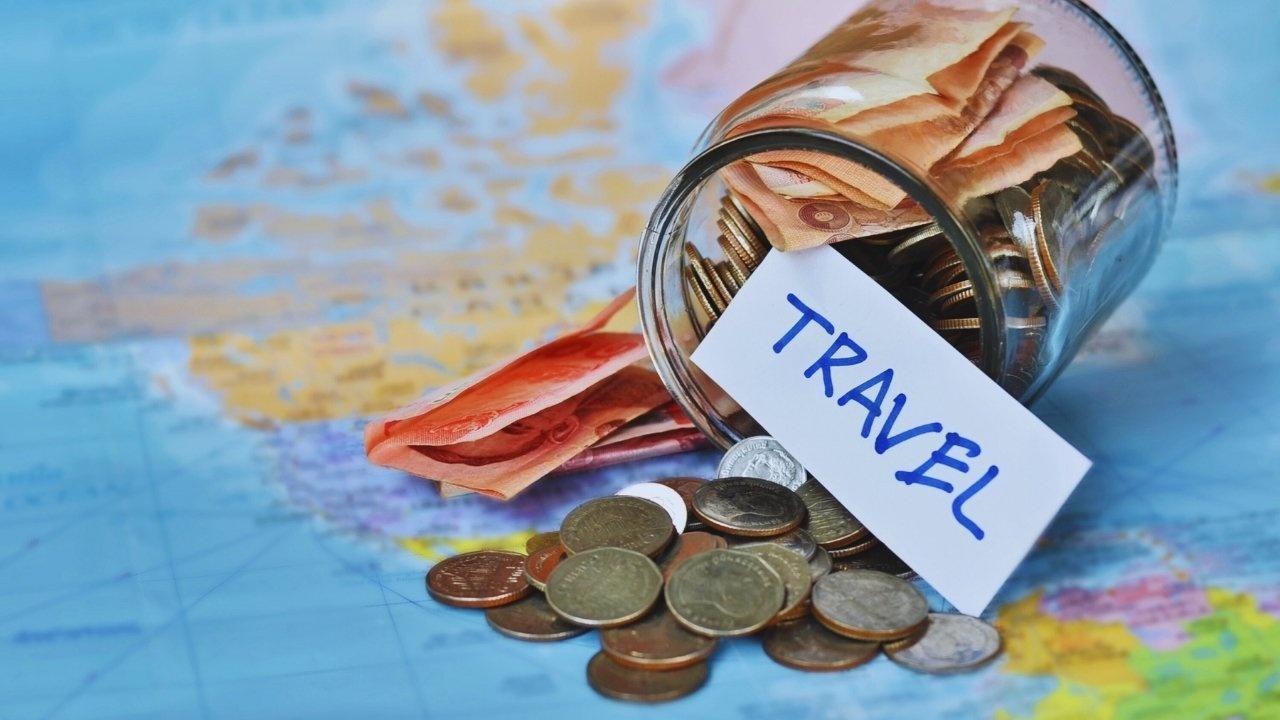
Traveling across Asia remains captivating due to its vast array of wonders, from bustling cities to serene landscapes rich with culture. Recent shifts in global economies, increased fuel prices, and evolving tourism dynamics have prompted vacationers in 2025 to look for ways to enjoy more without overspending.
Fortunately, Asia continues to be a haven for budget-conscious adventurers. It’s not about spending lavishly but requires prudent planning, cultural respect, flexibility, and smart money management. Today’s budget travel emphasizes informed decisions, minimizing expenses, and seeking experiences that enhance joy without financial strain.
This trend of budget travel has grown into a lifestyle choice. Many travelers now prefer longer trips that foster deep connections and immersive experiences while safeguarding their finances. Asia stands as an excellent playground for this budgetary travel mentality.
Understanding the Modern Budget Traveler
The idea of budget travel has evolved. Previously synonymous with backpacking and basic accommodations, modern travelers desire comfort and value without sacrificing safety, hygiene, or authentic experiences.
Today’s savvy travelers meticulously plan their journeys: by booking in advance, choosing economical transport, enjoying local cuisine, bypassing tourist traps, and utilizing digital apps to control costs. This shift isn’t about limiting desires; it's about traveling purposefully with financial mindfulness.
Why Asia Is Ideal for Budget Travel in 2025
Attractions across Asia present an unmatched blend of affordability and diversity. Whether it’s the cultural beauty of India, the idyllic beaches of Bali, or the urban vibrance of Singapore, every area offers an ideal mix of experiences without the high price tag.
In the past decade, strong tourism infrastructure has emerged in many Asian countries, providing budget-friendly accommodations and local eatery options that can significantly reduce costs. Additionally, the warm hospitality found across the region ensures that even the frugal traveler feels welcomed.
Planning Early: A Must for Budget Travelers
Effective budgeting often hinges on early planning. Many travelers overspend due to last-minute decisions, as prices for flights and lodgings tend to rise closer to departure dates.
By booking flights and accommodations two to three months out, travelers can secure lower prices. Advance planning also allows thorough research, ensuring that one explores the best routes and options while minimizing impulsive financial commitments.
Early planning doesn’t inhibit spontaneity; it enhances decision-making by allowing travelers to consider their options more carefully.
Traveling During the Shoulder Seasons
Peak travel periods often lead to inflated prices, crowded attractions, and limited accommodations. Instead, the shoulder seasons—periods before or after peak travel times—provide an ideal balance of pleasant weather and reduced costs.
The shoulder season varies by country in Asia. In India, the gap between monsoon and winter is optimal; in Southeast Asia, the weeks following the Lunar New Year offer lower visitor volumes and better prices. Travelers benefit from relaxed atmospheres and increased opportunities for negotiation with accommodations.
Utilizing Local Transport
One of the largest expenses on trips comes from transportation. However, Asia’s local transport systems—such as buses and trains—are both affordable and effective, often providing significant savings over private taxis.
You gain genuine insight into local life by opting for public transport. Whether navigating through the bustling streets of Bangkok or exploring the serene villages of Vietnam, local travel can enrich your journey.
Smart Accommodation Choices
Budget travel shouldn't imply sacrificing comfort. Asia offers a variety of cost-effective lodging options—ranging from homestays and budget hotels to boutique guesthouses—that remain memorable and pleasant.
Those choosing homestays often enjoy deeper cultural connections, as families provide authentic meals and insights. Staying a short distance from tourist hubs can also lead to better value without sacrificing accessibility.
Eating Well to Save More
Food is a highlight of travel in Asia, but sticking to tourist-heavy dining spots can lead to high expenses. Instead, savoring local eateries, street food, and community cafes can deliver delightful flavors at a fraction of the price.
Staying Away from Tourist Traps
Avoiding commercialized tourist spots can save money. Many travelers today seek local experiences recommended by locals, avoiding gimmicky attractions in favor of authentic engagements.
Exploring local neighborhoods, artisan markets, and hidden scenic sites offers a more profound connection and satisfaction without inflated prices.
Leveraging Technology for Budget Travel
Technology has become crucial in planning budget-friendly trips. Budget-conscious travelers turn to various apps for currency conversions, transport queries, bookings, and expense tracking. Utilizing these digital tools can prevent financial missteps.
In 2025, travel applications enhance connectivity and convenience, making it easier for travelers to make informed budgetary choices on the go.
Prioritizing Experiences Over Material Purchases
Modern travelers favor experiences over physical purchases. Rather than spending on souvenirs, they now invest in workshops, cultural activities, and nature experiences that foster lasting memories.
Experiential travel enriches the journey, emphasizing connection over consumption—a vital budgeting strategy that enhances one's narrative.
Embracing Slow Travel
As a rising movement in 2025, slow travel encourages travelers to forgo hasty itineraries for rich, immersive experiences. This approach often leads to cost savings through longer stays and a deeper understanding of local culture.
Opting for extended visits reduces transportation expenses, facilitates cooking, and cultivates emotional well-being while engaging with your surroundings.
Comparing Solo Travel and Group Travel
While solo travel provides freedom and flexibility, grouping can yield financial benefits through shared costs. Solo adventurers can also budget effectively using hostels and group tours.
Both travel styles hold budget-friendly potential; the choice depends on individual preferences.
Cultural Understanding to Avoid Overspending
Being culturally aware can prevent unnecessary expenses. Insights regarding local customs, bargaining practices, and festival timings can enhance travel enjoyment while avoiding inflated prices.
Respectful travelers often receive better treatment and guidance from locals.
Preparing for Unexpected Challenges
Smart budgeting involves preparing for unforeseen circumstances. Maintaining an emergency fund, knowing nearby medical options, and understanding essential safety practices can enhance confidence during travel.
Being well-prepared safeguards against unexpected disruptions.
Conclusion: Exploring Asia Without Breaking the Bank
Asia continues to stand out as an affordable and diverse travel destination. Maximizing experiences without financial strain is achievable through strategic planning, authentic cultural engagement, and wise decision-making. Discovering simplicity often leads to the most cherished memories.
Budget travel is about curating experiences rather than merely cutting costs. With awareness and adaptability, 2025 presents an opportunity to delve into Asia’s offerings while preserving your budget.
Disclaimer:
This article serves as a general guide based on travel trends and budgeting insights. Readers should tailor the provided information to their specific destinations, financial circumstances, and safety needs.


 English