Post by : Anis
Al-Rashid
When Cooling Becomes a Global Responsibility
Air conditioning, once perceived as a luxury, has shifted to being essential for survival in extreme temperatures. As our climate changes, the implications of using cooling systems extend beyond personal comfort—they now pose a significant threat to our planet.
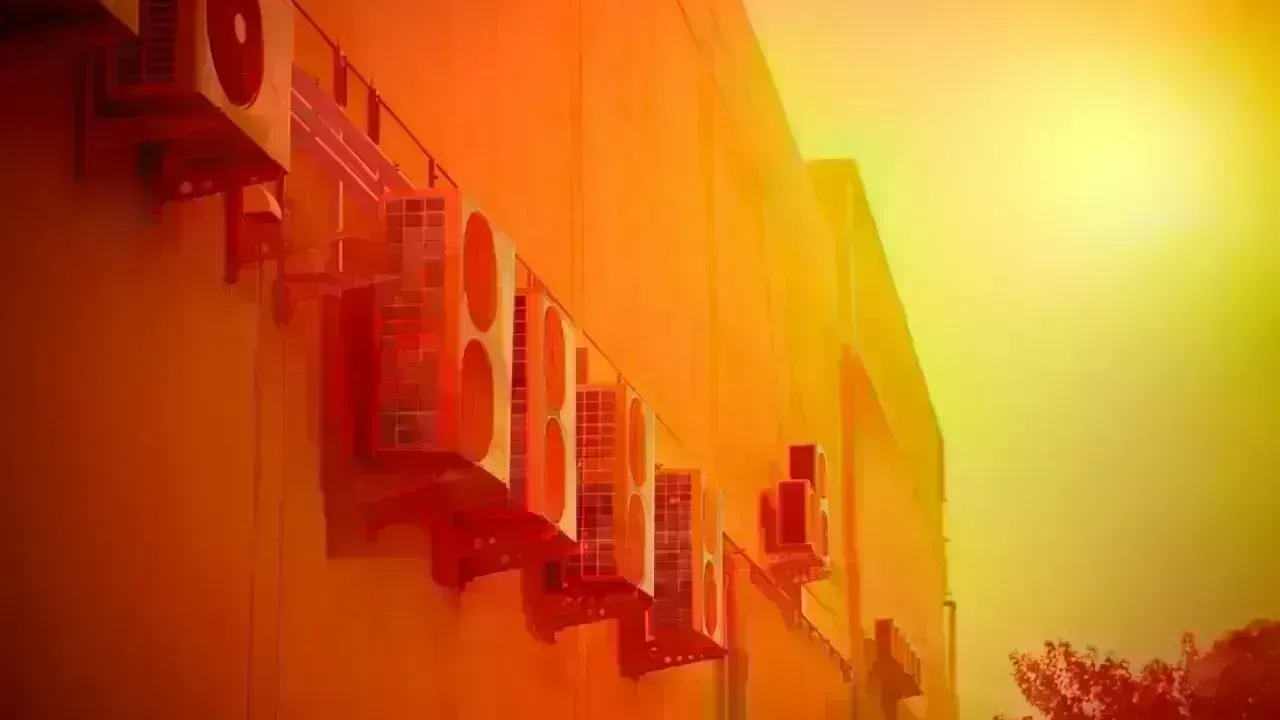
Each newly installed air conditioning unit increases electricity consumption, much of which still stems from fossil fuels. This escalating energy demand creates an environmental paradox: while we seek refuge from rising temperatures, our reliance on cooling contributes to even greater heat through emissions.
Cooling is transforming from personal choice to global necessity.
How Our Comfort Impacts Global Temperatures
The warming planet pushes people to cool their indoor environments, but the operations of cooling systems exacerbate the problem. Each reduction in indoor temperatures contributes to an 'invisible heat' that's released into the atmosphere.
Urban areas develop what scientists term “heat islands,” where structures trap warmth and amplify heat through the function of air conditioning, thus creating a feedback cycle of rising temperatures.
Electricity Demand Surging Past Population Growth
While the global population steadily increases, electricity demand is skyrocketing, primarily driven by the need for cooling systems. This surge is especially pronounced during scorching summer months, leading to power grid strain and frequent blackouts at the very times cooling is most crucial.
Air conditioning doesn’t just draw power—it reshapes national energy strategies as more plants are constructed, further adding to emissions. The cycle of rising electricity needs and environmental impact continues.
Aging Infrastructure Dated for a Cooler Era
Many homes were designed long before today's climate challenges. Buildings often fail to withstand prolonged heat waves, with heat retention characteristics that amplify indoor temperatures.
Urban planning tends to emphasize rapid development over climate resilience, leaving many homes inadequately insulated. When designs ignore environmental shifts, air conditioners become the primary solution.
The Environmental Risks of Refrigerants
Air conditioning systems depend on refrigerants that, if leaked, can significantly damage the atmosphere—often exponentially more than CO2. Disposal of outdated units further aggravates the situation, as do poor recycling practices.
Most of this damage goes unseen, but its consequences accumulate.
Nations Grapple with a Cooling Emergency
Countries witnessing economic growth also see a sharp increase in air conditioner sales, particularly in warmer regions. This creates a dilemma as development increases climate strain, pushing energy systems toward possible failure.
Governments are left to consider sustainability and equity in their cooling policies.
Disparities in Cooling Access
Climate change does not affect all demographics equally. Wealthier households can afford cooling systems, while those in poverty endure harsh conditions without relief. Urban areas often see significant disparities in access to reliable cooling.
Heat-related health issues arise most where cooling options are lacking, with migration patterns adjusting as people flee unmanageable heat towards cooler climates.
Cooling as a Medical Imperative
In the face of increasing temperatures, cooling has transitioned into essential infrastructure for hospitals, schools, and care facilities. Heat stress can lead to severe health risks.
With climate change intensifying the urgency, access to cooling dictates safety and survival.
Innovations for a Sustainable Future
As climate challenges mount, engineers are innovating more efficient and environmentally friendly cooling technologies. Developments like solar-powered air conditioning and reflective roofing materials show promise.
Even as breakthroughs occur, the cost and adoption rate pose significant barriers.
The Role of Individual Action
While systemic changes are crucial, individual choices continue to play a vital role. Choices regarding cooling usage and home maintenance can significantly impact energy demands.
Small measures can lead to substantial differences. Improved insulation, natural ventilation techniques, and energy-efficient appliances can reduce overall energy consumption.
The Future of Urban Design
Cities must evolve to prioritize airflow, shade, and green spaces to combat heat effectively. Future urban designs will reflect this shift, moving towards eco-friendly infrastructures.
The Economic Repercussions of Inaction
Ignoring cooling reforms could destabilize energy systems, leading to costly outages and disruptions in essential services. Long-term neglect turns into significant future expenses.
Rethinking the Narrative
Cooling is a necessity, not a villain. The challenge lies in how we approach it; public discourse must shift to encompass the broader consequences of energy consumption.
Awareness could be the first step toward action.
Concluding Reflections
Cooling the home is now intertwined with global energy and environmental equations. Every cooling unit plays a part in our shared climate narrative.
The pressing question is not if people deserve comfort, but whether future comfort can exist without accountability.
The climate will determine the answer.
DISCLAIMER
This article serves general informational purposes and should not replace professional advice on environmental or energy matters. It’s advisable to follow official guidelines when planning enhancements for energy efficiency.


 English