Post by : Anis
Al-Rashid
Understanding the Cost of Dental Care and the Importance of Prevention
Dental expenses can add up quickly, not necessarily due to high fees but because many oral health issues develop silently over time. Initial problems like cavities, gum disease, and tooth sensitivity can escalate into expensive treatments if left untreated. Most people wait until the pain becomes severe, but by then, the necessary intervention may be much more intricate.
Fortunately, the majority of dental challenges are preventable. By adopting consistent daily habits, you can maintain healthy teeth and gums without frequent visits to the dentist's office. Investing in simple routines offers significant long-term savings.
This article highlights affordable practices for keeping your mouth in prime condition and illustrates how minor daily actions can lead to substantial cost savings over time.
The Development of Dental Issues and How to Prevent Them
Everyday actions such as eating and snacking contribute significantly to the state of your oral health. Problems often begin with plaque, the sticky film of bacteria forming on teeth after meals. If not adequately cleaned, plaque can harden into tartar, which is harmful to gums and leads to cavities.
Dental expenses rise when:
• Plaque evolves into tartar
• Cavities extend deeper into the tooth
• Gum infections spread
• There is significant enamel erosion
• Tooth roots become exposed
• Neglect results in extractions or root canals
These issues develop gradually, meaning that early intervention is always effective and is often low-cost.
Effective Brushing: The Most Economical Tool for Dental Health
Brushing is crucial for oral hygiene, yet many people do it incorrectly or rush through it.
Best brushing practices include:
1. Brush at least twice a day
It's essential to brush before bed as bacteria thrive on leftover food while you sleep.
2. Brush for a full two minutes
Many individuals brush for only 20 to 30 seconds without realizing it.
3. Use light strokes
Brushing too hard can harm gums and wear down enamel.
4. Angle the brush at 45 degrees
This angle is effective for cleaning the gum line, where plaque accumulates most quickly.
5. Don’t forget to brush your tongue
The tongue can harbor bacteria that contribute to bad breath and infections.
An efficient brushing routine imposes no extra cost but can avert most common dental problems.
Selecting the Right Toothbrush Without Overspending
An expensive toothbrush isn't necessary.
Cost-effective choices:
• Soft-bristled manual brush
• Basic electric brush (optional)
Avoid:
• Hard bristles
• Inexpensive brushes with uneven bristles
• Brushes that harm the gums
Soft bristles safeguard gums and enamel, preventing long-term damage.
The Necessity of Fluoride Toothpaste
Fluoride reinforces enamel and prevents cavities. You don’t require a costly toothpaste; any basic fluoride variant will suffice.
Advantages of fluoride toothpaste:
• Enhances enamel strength
• Diminishes cavity risk
• Aids in reversing early tooth decay
• Provides enduring protection
It's wise to avoid frequently switching toothpaste types, such as whitening or charcoal formulas, as many can be overly abrasive and pricey.
Making Flossing Affordable
Flossing is crucial in preventing gum disease, often more costly to treat than cavities. Contrary to common belief, it is essential.
Why flossing is important:
• Cleans 30% of tooth surfaces that brushing misses
• Prevents gum bleeding
• Eliminates food particles that lead to decay
• Reduces tartar buildup
Affordable flossing options:
• Basic floss
• Water flosser (recommended for those with braces or gum issues)
Flossing a few minutes daily can prevent costly gum treatments down the road.
Mouthwash Usage: When It's Beneficial
Mouthwash can be advantageous but may not be a daily requirement for everyone.
Beneficial for:
• Individuals experiencing gum problems
• Those with ongoing bad breath
• People wearing braces
• Individuals with dry mouth
Skip mouthwash if:
• You brush and floss adequately
• You don’t have gum issues
A mild, non-alcoholic mouthwash is adequate. There’s no need for costly specialized products unless recommended by a dentist.
Tooth-Friendly Diet Choices
Your dental health is heavily influenced by your diet. Simple dietary decisions can either fortify your teeth or lead to decay.
Foods that promote dental health:
• Dairy (strengthens enamel)
• Eggs (high in vitamin D)
• Leafy greens
• Whole fruits like apples
• Raw vegetables
• Nuts
• Ample water
Foods to limit:
• Sugary snacks
• Chewy candies
• Soft drinks
• Packaged juices
• Excessive coffee or tea without rinsing
• White bread
• Frequent consumption of acidic foods
A budget-friendly, tooth-healthy diet emphasizes whole foods rather than expensive items.
When You Eat Matters
Many dental challenges arise not just from dietary choices, but from how often you eat throughout the day.
Cost-free eating habits to protect teeth:
1. Limit snacking
Frequent snacks trigger acid production in the mouth.
2. Hydrate after meals
This helps wash away food remnants naturally.
3. Avoid sugary snacks before bed
Sugars fuel bacteria at night.
4. Rinse after consuming coffee, tea, or soda
This helps avert staining and enamel erosion.
These practices require no cost—just awareness.
Traditional Oral Care with Oil Pulling
Oil pulling, using coconut or sesame oil, is a low-cost practice that can be beneficial.
Advantages include:
• Reduces bacterial presence
• Enhances breath
• Cleans the tongue
• Offers mild whitening
Do it for five minutes each morning. It should complement, not replace, brushing.
Stay Hydrated for Optimal Oral Health
Dry mouth can lead to tooth decay since saliva naturally fights bacteria.
Benefits of hydration:
• Supports natural antibacterial properties
• Reduces bad breath
• Prevents decay linked to dry mouth
• Keeps gums healthy
Water is the simplest and most cost-effective oral health ally.
Preventing Gum Disease Affordably
Treatments for gum disease can be quite expensive. Nevertheless, prevention is straightforward and budget-friendly.
Daily practices to shield gums:
• Brush gently along gums
• Floss each night
• Refrain from tobacco
• Incorporate more fiber into meals
• Drink plenty of fluids
• Occasionally massage gums
• Address bleeding gums promptly
Healthy gums sustain teeth for years and minimize the need for costly treatments.
Managing Tooth Sensitivity on a Budget
Tooth sensitivity often gets overlooked, but addressing it early can prevent serious issues.
Effective methods to manage sensitivity:
• Use desensitizing toothpaste
• Avoid harsh whitening products
• Limit acidic food intake
• Favor a soft-bristled toothbrush
• Tackle grinding or clenching habits
Most sensitivity issues can be managed at home with budget-friendly approaches.
Preventing Teeth Grinding Without Expense
Teeth grinding is common and can substantially wear down enamel over time.
Inexpensive strategies:
• Limit caffeine consumption before bed
• Use warm compresses for jaw relaxation
• Perform gentle stretches for face and jaw
• Manage stress levels
• Sleep in positions that avoid face-down
Severe grinding may require a specialized night guard, but many people manage mild cases through lifestyle changes.
Consequences of Smoking on Oral Health
Smoking is a leading cause of:
• Gum disease
• Tooth loss
• Staining
• Bad breath
• Slow healing
Quitting can save significantly on both health and dental care costs.
Instilling Good Dental Habits in Children
Teaching proper oral health behaviors to kids early on can prevent future, potentially costly dental issues.
Key habits to encourage:
• Brush twice daily
• Limit sticky sweets
• Opt for water over juice
• Avoid thumb-sucking past toddler years
• Utilize fluoride toothpaste
• Introduce flossing once teeth touch
Childhood dental practices shape health for years to come.
When to Schedule a Dental Appointment
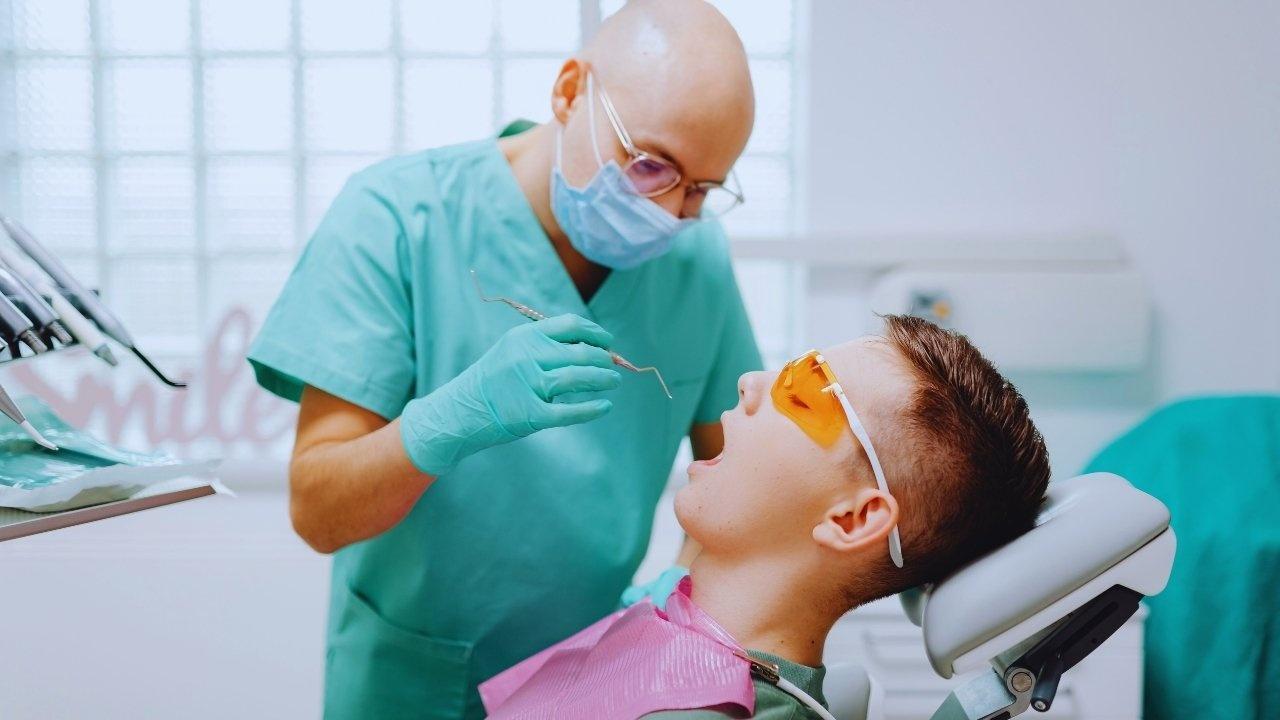
Waiting for pain before seeing a dentist is often the most expensive route. Regular check-ups can prevent larger issues.
Seek dental attention if:
• Pain persists beyond a few days
• Gums frequently bleed
• Sensitivity occurs suddenly
• Persistent bad breath
• Noticeable swelling
• Grinding at night
• A filling or crown feels loose
Catching small problems early means decreased costs.
Affordable Dental Care: Regular Check-Ups
Routine cleanings are far cheaper than treatments. A professional cleaning every 6 to 12 months can avert tartar buildup, gum disease, and severe cavities.
Think of check-ups like maintaining your vehicle—they prevent larger, more costly breakdowns.
Beware of DIY Dental Myths
Some popular advice can end up doing more harm than good.
Common myths to avoid:
• Brushing with lemon or baking soda
• Daily use of charcoal pastes
• Whitening with salt
• Using vinegar
• Aggressive scrubbing
These methods can harm enamel and lead to costly troubles.
Final Thoughts
Healthy teeth are not merely the result of expensive treatments; they are cultivated through consistent, affordable daily behaviors. The methods by which you brush, floss, rinse, consume, and hydrate play a critical role. Simple, repetitive choices help prevent plaque, decay, gum disease, and unnecessary dental bills.
In essence, prevention is the most budget-friendly dental strategy, and these practices make it accessible for everyone. Consistent care leads to a healthier mouth and significantly less financial strain.
Disclaimer:
This article offers general information on oral health and should not replace professional dental advice. Anyone experiencing ongoing pain or dental issues should seek guidance from a qualified dentist.


 English