Post by : Shakul
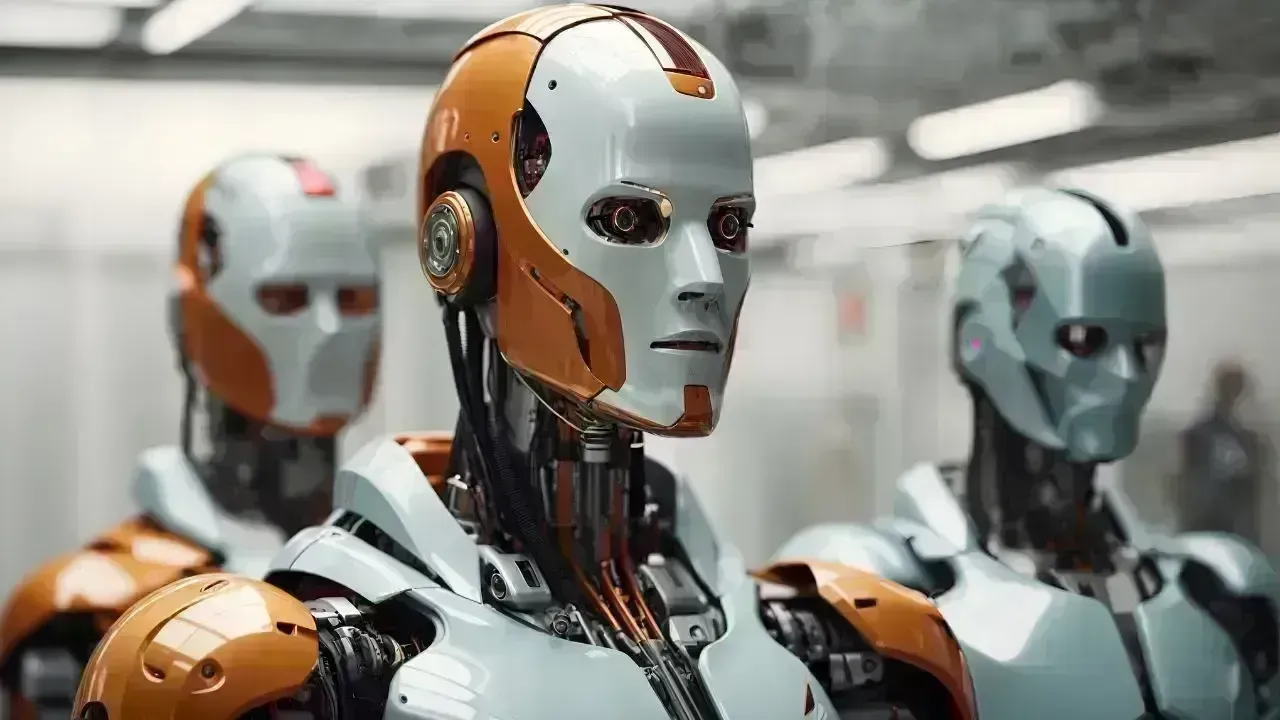
The landscape of modern combat is evolving dramatically with the integration of cutting-edge robotic systems in Ukraine. These AI-driven machines, operated remotely, are altering military tactics and strategies worldwide.
Recent comments from Volodymyr Zelenskyy underline that these unmanned entities are capable of executing intricate missions. Notably, robotic platforms and drones have successfully engaged enemy positions, all while minimizing direct human involvement.
The spectrum of roles for these robotics has widened, now encompassing tasks such as weapon deployment, supply transport, and even the evacuation of injured personnel. Their engagement in active combat scenarios marks a significant evolution from earlier applications focused mainly on surveillance and bomb disposal.
According to experts, this paradigm shift reflects a broader technological revolution in military capabilities. The integration of artificial intelligence is being called a distinct era in warfare evolution, akin to how the advent of aircraft and atomic weaponry once transformed military engagements.
Crucially, the increasing reliance on AI for tactical decision-making prompts serious discourse regarding the level of autonomy afforded to these machines. While many systems still depend on human operators for engagement, AI is making strides in target identification and mission planning, raising important questions about control.
As discussions around autonomous weapons grow, the ethical implications come to the forefront. Critics have raised alarms about the potential for these technologies to operate independently, which could spawn unforeseen consequences and risk civilian lives.
Conversely, robotic systems bring advantages as well, enabling operations in perilous situations, safeguarding soldiers, and enhancing operational efficiency. In Ukraine, these machines have significantly aided logistical support amid challenging conditions.
Nevertheless, the brisk pace of these technological advancements outstrips global regulatory frameworks. Currently, no comprehensive international guidelines are in place governing AI utilization in warfare, prompting calls for enhanced regulations to ensure responsible usage.
Scholars and decision-makers stress the necessity of retaining human oversight in military affairs. Upholding human involvement in pivotal decisions is vital for averting misuse and upholding ethical standards.
Ultimately, Ukraine serves as a pivotal testing field for tomorrow's battlefronts. As technological evolution continues, the challenge lies in harmonizing innovation with ethical responsibility, ensuring that advanced weapons do not exacerbate risks to humanity.


 English