Post by : Shweta
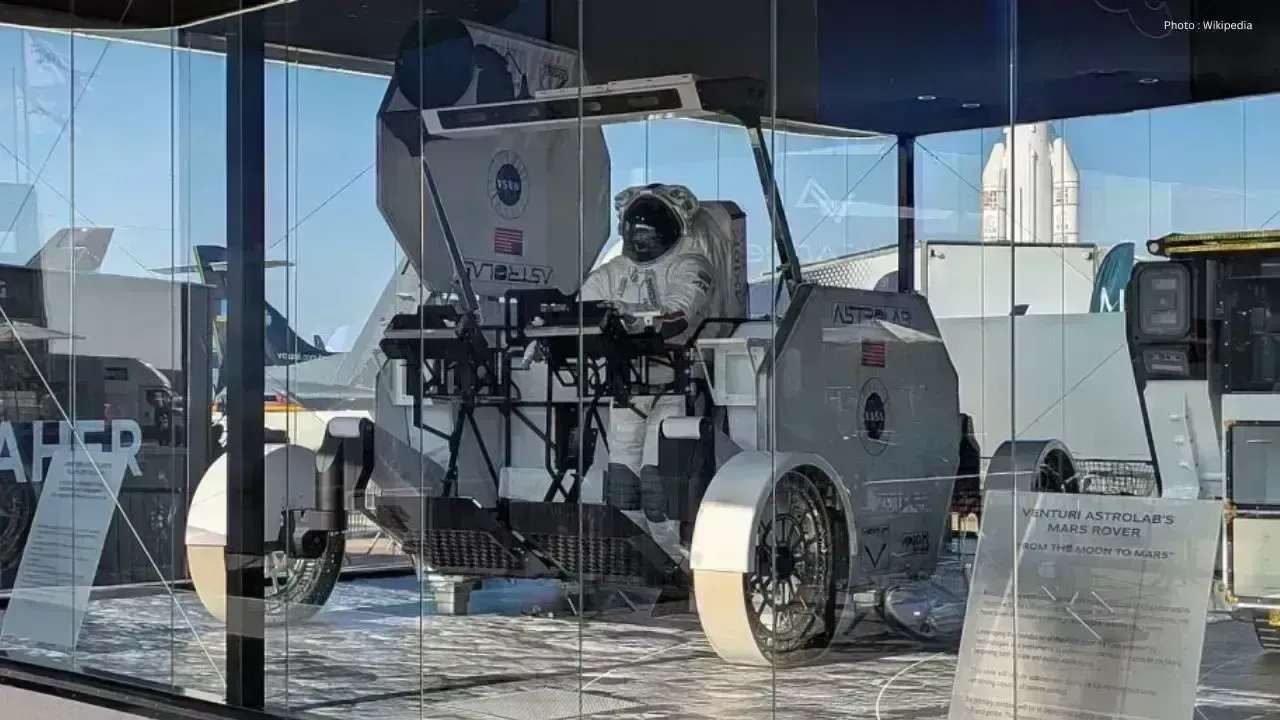
The US-based space tech firm Astrolab has unveiled its FLIP rover, set to convey four NASA-developed scientific instruments to the Moon in an upcoming lunar expedition. This initiative represents a significant advancement in global endeavors aimed at enhancing scientific exploration and establishing enduring human presence on the lunar surface.
Engineered for adaptable lunar transit and scientific tasks, the FLIP rover will play a key role in NASA’s broader lunar exploration ambitions under the Artemis initiative. Astrolab indicates that the rover’s capabilities will encompass the transport of scientific apparatus, data collection, and support for both future astronauts and robotic functions on the lunar terrain.
The NASA instruments slated for deployment aboard the rover will concentrate on evaluating lunar regolith, surface conditions, radiation metrics, and environmental factors potentially impacting human operations. Researchers anticipate that these studies will yield pivotal insights for sustained lunar endeavors and foundational plans for permanent structures on the Moon.
According to officials at Astrolab, the FLIP rover boasts sophisticated mobility systems designed to navigate the challenging lunar landscape, characterized by rugged terrain and harsh environmental conditions. The engineering team is crafting the rover to operate effectively under extreme temperatures and low gravity, all while transporting scientific payloads over extensive distances.
This mission exemplifies the growing collaboration between NASA and private aerospace entities as the USA escalates its commercial partnerships in space exploration. In recent years, NASA has progressively leaned on private companies for transportation frameworks, lunar technologies, cargo logistics, and spacecraft innovation.
Experts highlight that robotic missions like the FLIP rover are vital for laying the groundwork for subsequent crewed lunar endeavors. These rovers facilitate the examination of landing sites, resource identification, equipment testing, and scientific data accumulation before human arrival, making such technology essential for future lunar bases and eventual Martian missions.
The Artemis program aims to bring astronauts back to the Moon and lay the groundwork for sustainable, long-term exploratory frameworks. NASA representatives believe that commercial collaborations will help minimize expenses and hasten the technological advancements necessary for deep-space exploration.
Furthermore, Astrolab has indicated that its rover technology may eventually support commercial efforts on the Moon, such as cargo delivery, infrastructural assistance, and scientific inquiry for global partners. The firm is among numerous private entities vying to secure significant roles in the burgeoning lunar economy.
Industry analysts assert that this announcement underscores the transition of lunar exploration from being solely governmental to increasingly involving private sector and international collaborations. With a plethora of missions on the horizon, robotic systems like the FLIP rover are poised to significantly influence the trajectory of Moon exploration.


 English