Post by : Abhinav
Rana
Photo : X / CNNC
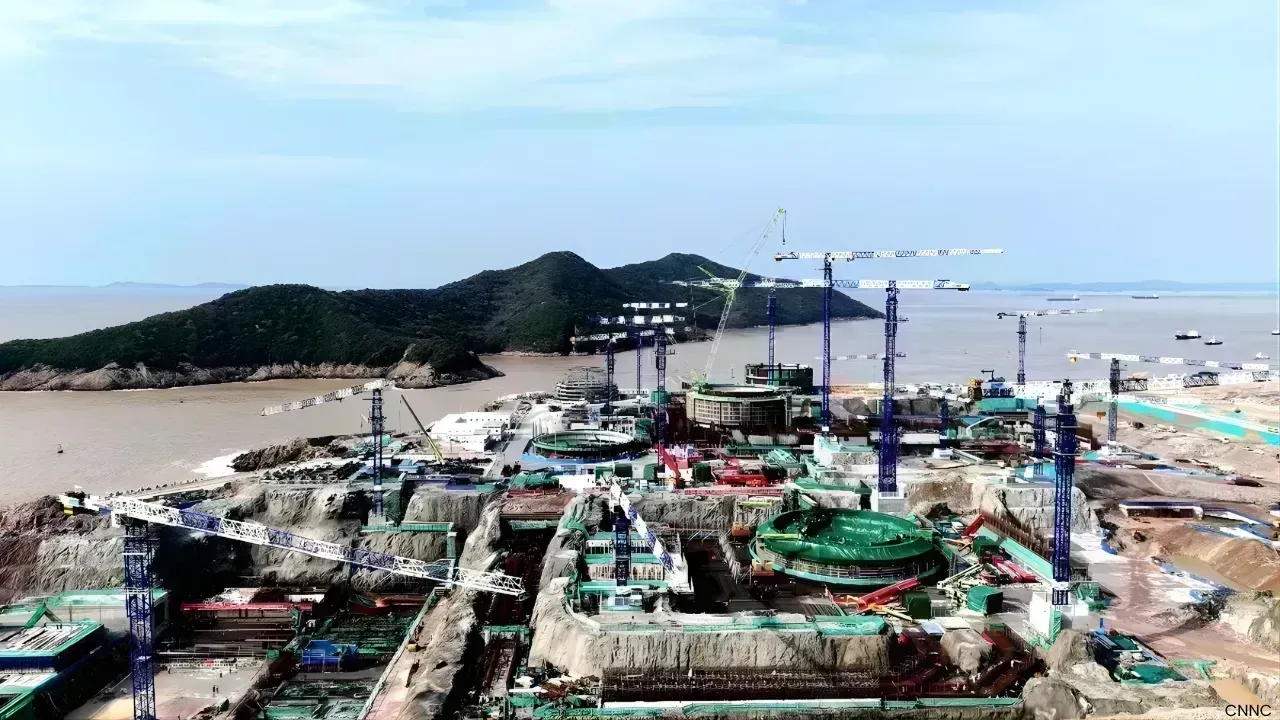
In a bold step toward redefining renewable energy boundaries, construction of a high-altitude concentrated solar power (CSP) plant in Xizang is now underway, marking a significant milestone in the global clean energy transition. Located in one of the world’s most challenging terrains, this project is not just an engineering feat—it represents a strategic move to harness solar energy in extreme environments where efficiency gains can be maximized. As nations race to decarbonize their economies, this development underscores how innovation is pushing renewable energy into previously untapped geographies, reshaping the future of sustainable infrastructure.
The Xizang CSP project stands out due to its unique high-altitude location, where thinner atmospheric layers and stronger solar radiation create ideal conditions for concentrated solar power generation. Unlike traditional solar photovoltaic systems, CSP technology uses mirrors to focus sunlight and generate heat, which is then converted into electricity through turbines.
At higher altitudes, solar irradiance is more intense and less obstructed, allowing for greater energy output and improved efficiency. This advantage positions the project as a potential benchmark for future installations in similar environments, offering a scalable model for countries with mountainous or plateau regions. The initiative is expected to contribute significantly to regional energy needs while reinforcing grid stability through consistent power generation.
Concentrated solar power is increasingly being recognized as a critical component of next-generation energy systems due to its ability to store thermal energy and provide electricity even when sunlight is unavailable. This makes CSP particularly valuable for balancing renewable energy grids, where intermittency remains a key challenge.
The Xizang project is likely to incorporate advanced thermal storage systems, enabling it to deliver power during peak demand hours and reduce reliance on fossil fuels. Such capabilities are essential for modern infrastructure, especially as industries including transportation networks move toward electrification and require stable, reliable energy sources.This technological edge not only enhances energy security but also aligns with global sustainability goals, making CSP a strategic investment in the broader transition to low-carbon economies.
Beyond energy generation, the implications of this project extend into transportation and industrial ecosystems. Reliable and sustainable power is a cornerstone for modern mobility solutions, from electric vehicle charging networks to smart logistics hubs.
In regions like Xizang, where infrastructure development is both challenging and essential, projects like this CSP plant can act as catalysts for broader economic growth. Enhanced energy availability can support the expansion of transport corridors, improve connectivity, and enable the deployment of advanced technologies in remote areas.
For the global transportation industry, this development highlights a critical trend: the integration of renewable energy into infrastructure planning. As mobility systems become increasingly electrified, the demand for clean, stable energy sources will continue to grow, making projects like this highly relevant to future industry dynamics.
The Xizang CSP plant also reflects China’s broader ambition to lead the global renewable energy sector. By investing in cutting-edge technologies and exploring unconventional deployment strategies, the country is positioning itself at the forefront of the clean energy revolution.
This project aligns with ongoing efforts to diversify energy sources, reduce carbon emissions, and strengthen energy independence. It also signals a shift toward more innovative approaches in renewable deployment, where geographical challenges are transformed into strategic advantages.
As other nations observe and potentially replicate such models, the global energy landscape could see a wave of high-altitude and region-specific renewable projects, accelerating the pace of sustainable development worldwide.
As construction progresses, the Xizang CSP project is poised to become a defining example of how renewable energy can be adapted to diverse environments. Its success could pave the way for similar initiatives across the globe, particularly in regions with untapped solar potential.
For industries and policymakers alike, the message is clear: the future of energy lies in innovation, adaptability, and integration. Projects that combine advanced technology with strategic location advantages will play a crucial role in shaping resilient and sustainable infrastructure systems.
In the larger narrative of global energy transformation, this high-altitude solar plant is more than just a project, it is a glimpse into a future where clean energy powers not only cities but also the most remote corners of the world, driving progress across every sector it touches.


 English