Post by : Mariam
Al-Faris
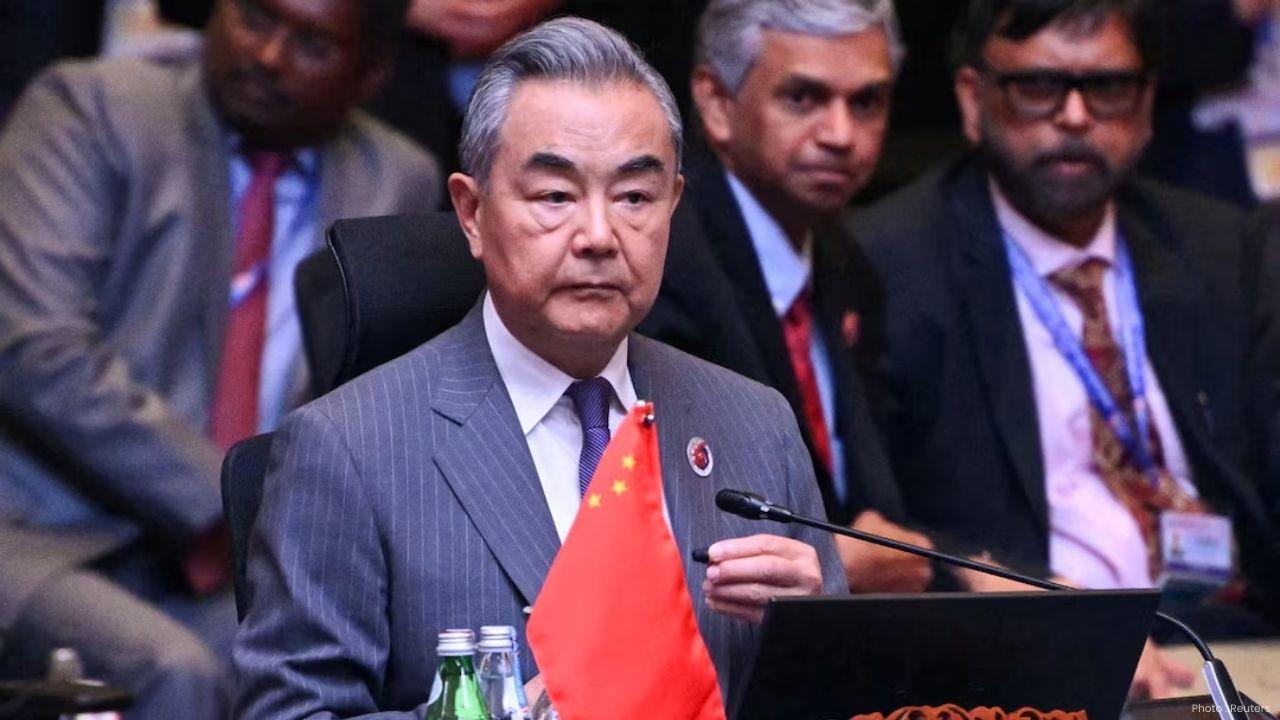
Wang Yi, China’s Foreign Minister, and Subrahmanyam Jaishankar, India’s External Affairs Minister, recently met to discuss key issues between the two countries. The meeting focused on improving cooperation and addressing shared challenges. The talks were described as positive, constructive, and forward-looking. Both sides discussed topics that are important to their bilateral relationship, regional stability, and international issues, showing a mutual interest in strengthening cooperation.
Addressing the Border Situation
One of the main topics of discussion was the situation along the border between China and India. Both countries agreed to view the border issue within the broader framework of their overall relationship. They emphasized the importance of a balanced and mutually acceptable approach to the boundary issue. This approach is based on political guiding principles that were agreed upon in 2005. Both sides highlighted that maintaining peace and stability along the border is a top priority, and they committed to continuing dialogue to manage disagreements carefully.
Forming Expert Groups for Boundary Demarcation
China and India agreed to establish an experts’ group to work specifically on boundary demarcation. This group will study the border in detail and provide practical recommendations. Additionally, a working group will operate under a larger mechanism to strengthen management and control along the boundary. These measures aim to prevent misunderstandings and conflicts, ensuring that both countries can maintain peace in border areas. Having experts study and monitor the border helps create solutions that are fair and acceptable to both sides.
Setting Up General Talks Across Border Sectors
The two countries also decided to establish a mechanism for general talks in the eastern and middle sectors of the border. For the western sector, they agreed to hold a new round of talks as soon as possible. Both sides emphasized the need to use diplomatic and military communication channels to manage and control the boundary effectively. Regular dialogue will help prevent conflicts and provide a platform for resolving issues before they escalate.
Cooperation on Shared Rivers
Rivers that flow across both China and India were another important topic. Both countries agreed to continue cooperation through an experts’ mechanism that monitors and manages transboundary rivers. They discussed renewing the memorandum of understanding on flood reporting. On humanitarian grounds, China also agreed to share emergency hydrological information with India about relevant rivers. This will help prevent damage and protect people living near these rivers during floods or other emergencies.
Reopening Traditional Border Trade Markets
Trade along the border is an important part of China-India relations. Both sides agreed to reopen three traditional border trade markets. These markets have historically been places where people from both countries trade goods, strengthening local economies and fostering mutual understanding. Reopening these markets will not only support border communities but also improve economic cooperation. It is a step toward more practical and people-focused collaboration between the two nations.
Planning Future Talks
Both countries also agreed to plan the 25th round of talks in China in 2026. These talks will continue to focus on border management, trade, and other areas of cooperation. Planning meetings well in advance shows a commitment to sustained dialogue and a long-term partnership. By maintaining regular discussions, China and India are working to ensure that relations remain stable and cooperative over the coming years.
Importance of Dialogue and Cooperation
This series of agreements highlights the importance of continued dialogue and cooperation. By establishing expert groups, working mechanisms, and general talks, both countries are taking practical steps to reduce tension and maintain peace along the border. Open communication and trust are essential to prevent conflicts and resolve disputes. These mechanisms will allow both countries to respond to challenges in a structured and cooperative way.
Strengthening Broader Bilateral Relations
The talks also emphasized the broader relationship between China and India. Cooperation on rivers, trade, and humanitarian issues shows that both countries are looking beyond border disputes. Strengthening these ties benefits citizens on both sides, supports local economies, and contributes to regional stability. Both nations expressed a shared commitment to building a positive, forward-looking relationship that can handle challenges while promoting mutual interests.
Humanitarian Collaboration
Sharing hydrological and emergency information demonstrates humanitarian cooperation between China and India. This collaboration ensures that people living near shared rivers are informed and prepared during floods or other emergencies. Working together in this way helps prevent disasters, save lives, and shows that both countries can cooperate practically and constructively on issues that affect ordinary people.
Building Stability for the Future
The meeting between Wang Yi and Subrahmanyam Jaishankar illustrates a strong commitment to stability and cooperation. By forming expert groups, reopening trade markets, and scheduling future talks, both sides are taking concrete steps toward a more stable and productive relationship. These measures will help keep border areas peaceful, build trust between the countries, and create opportunities for broader cooperation in multiple areas.
Economic and Regional Benefits
The reopening of trade markets and cooperation on rivers will have economic and regional benefits. Border communities will gain access to more trade opportunities, boosting livelihoods and fostering cross-border relationships. Similarly, effective river management can prevent disasters that affect agriculture, water supply, and local businesses. Cooperation in these areas is a practical way to strengthen ties and improve the lives of people living near the border.
China and India held high-level talks covering border management, rivers, trade, and broader bilateral cooperation. They agreed to:
- Form expert and working groups to study boundary issues.
- Establish general talks across all border sectors.
- Reopen three traditional border trade markets.
- Share emergency hydrological information for humanitarian purposes.
- Plan the 25th round of talks in China in 2026.
These agreements aim to maintain peace, strengthen cooperation, and create a stable and constructive relationship between China and India.
Importance for People and Governments
For the citizens living in border areas, these agreements provide reassurance and practical benefits, such as safer rivers and opportunities for trade. For both governments, it demonstrates a commitment to dialogue, stability, and collaboration. The combination of diplomatic, military, and expert-level cooperation ensures that issues are addressed methodically and peacefully.


 English