Post by : Shweta
China has made the strategic decision to reignite a significant coal-to-gas initiative as the global energy landscape grapples with instability caused by mounting tensions in the Middle East. This development underscores how geopolitical dynamics are influencing energy policies worldwide.
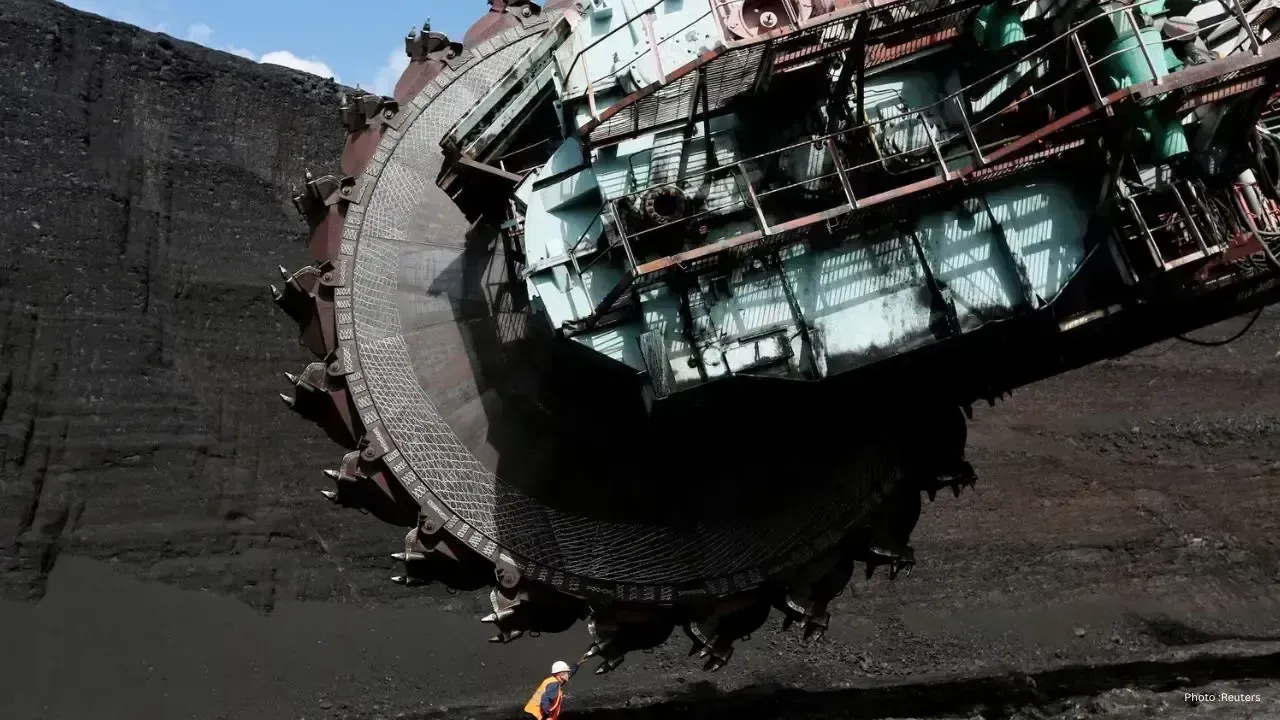
Situated in Fuxin, the project was initially kicked off in 2011, estimated at a cost of $3.7 billion. However, it faced suspension in 2014 due to various challenges, including environmental implications, high investment needs, and technical obstacles. Now, over a decade later, officials believe the project can thrive under the current market shifts.
This revival is occurring at a critical moment, as ongoing conflicts involving the United States, Israel, and Iran have caused significant disruptions in global energy supplies, particularly affecting natural gas flow. Damage in the Gulf region has introduced uncertainty regarding gas availability, compelling major importers like China to explore alternative options.
While China possesses extensive coal reserves, its natural gas supplies have been increasingly unstable amid global challenges. By transforming coal into synthetic gas, the nation aims to lessen its reliance on imports and enhance its energy independence. This approach also optimizes the use of its existing coal resources.
Current reports indicate there are approximately 13 coal-to-gas projects under various stages of construction or planning across China. If completed, these initiatives could potentially boost the country's synthetic gas production capacity up to sevenfold, reaching more than 52 billion cubic meters, which would represent around 12% of China's total gas supply.
Nonetheless, these projects have encountered criticism. Environmental advocates have raised alarms over the coal-to-gas technology's potential for high carbon emissions and excessive water use. Nevertheless, China is striving to balance its energy requirements by investing in both traditional fuels like coal and more sustainable options such as renewables and battery technologies.
In fact, China is a leading force in global coal consumption and is expected to unveil numerous new coal-fired power plants by 2026, accounting for the bulk of such developments globally. Beyond electricity generation, coal in China is also being utilized to produce gas, liquid fuels, and chemicals.
The revival of the Fuxin project illustrates how concerns about energy security can sometimes eclipse environmental considerations, especially in times of global unrest. As ongoing conflicts continue to affect supply chains, nations like China are swiftly adapting to secure sustainable energy sources for the future.


 English