Post by : Raina
Al-Fahim
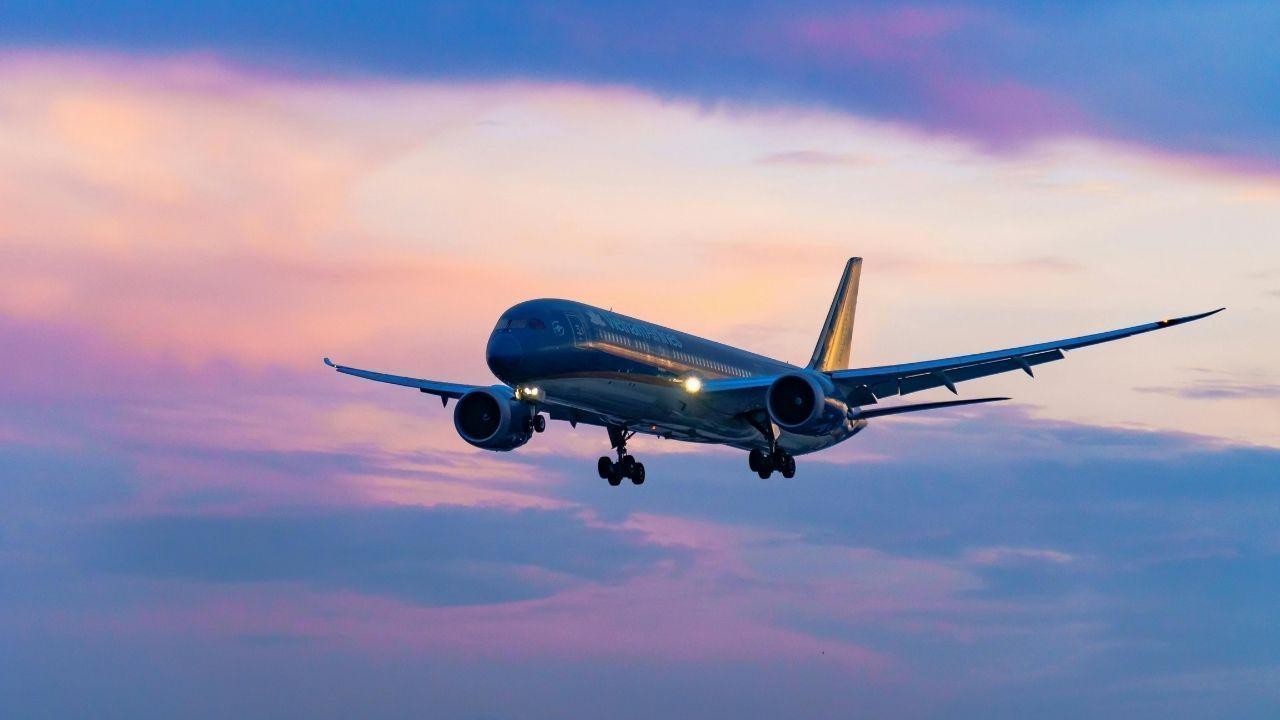
Chinese airlines have drastically curtailed their scheduled flights to Japan for December, resulting in the cancellation of over 900 flights as the diplomatic standoff regarding Taiwan intensifies. This abrupt reduction has raised alarms within Japan's tourism and aviation industries, which heavily depend on travelers from China.
As reported by Nikkei Asia, flight data from Cirium highlights that 176 standard routes exist between Japan and China, connecting 20 Japanese airports to 36 in China, excluding Hong Kong and Macau. By Thursday morning, Chinese airlines had already scrapped 904 flights across 72 routes—amounting to nearly 16% of the 5,548 flights that were initially scheduled for December. This reflects a significant increase from the 268 cancellations noted just two days prior, illustrating the rapidly evolving scenario.
Japanese Airports Face Significant Disruptions
Kansai Airport is experiencing the largest impact, with 626 inbound flights canceled this December. Among these cancellations, there are 80 flights from Nanjing, 71 from Shanghai, and 58 from Beijing. Tokyo’s Narita Airport and Nagoya’s Chubu Airport both report 68 cancellations, while Hokkaido’s New Chitose Airport has seen 61.
Okinawa's Naha Airport saw 26 flights canceled, while Tokyo’s Haneda Airport experienced the least disruption with only seven cancellations from its 989 scheduled inbound flights.
Airlines Implement Major Reductions
Prominent carriers like China Southern Airlines and China Eastern Airlines are responsible for canceling 118 and 109 flights, respectively. Mid-sized airlines based in Shanghai have made even sharper cuts, with Spring Airlines canceling 182 flights and Juneyao Airlines cutting 166 flights from their December itineraries.
Decline in Airfares as Demand Dwindles
The drastic drop in travel demand has led to a reduction in ticket prices. Ena, a site for comparing Japan's low-cost airlines, notes that round-trip fares from Kansai to Shanghai have plummeted from approximately 20,000 yen last year to about 8,500 yen this year.
Expectations for Additional Cancellations
Fujii Naoki, the President of Narita International Airport Corp, stated that several Chinese airlines have already informed them of plans to further reduce services starting in December. He anticipates that 10–20% of the nearly 300 weekly flights between Narita and Chinese cities will be canceled.
Experts advise that the situation requires careful observation. Kanda Keiji, a senior economist at the Daiwa Institute of Research, commented to Nikkei Asia that the future adjustments to China’s aviation strategy remain uncertain, emphasizing that “developments going forward will need to be watched closely.”
As the tensions mount, the repercussions on travel, tourism, and economic relationships between Japan and China are anticipated to evolve further in the upcoming months.


 English