Post by : Saif
Al-Najjar
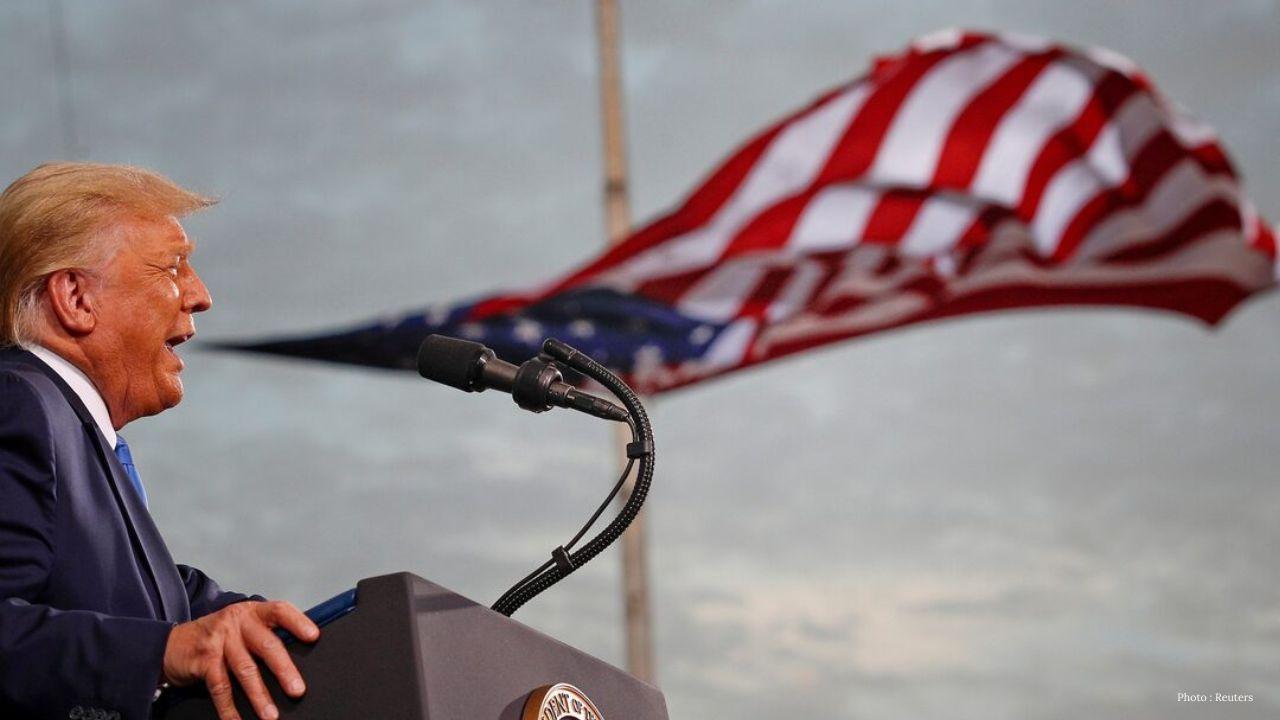
Former President Donald Trump has called on Iran to come to a diplomatic agreement, coinciding with reports that the United States may prolong its economic sanctions against the nation. This development highlights the tension between diplomatic engagement and economic coercion in global affairs.
The pursuit of a deal underscores the long-standing tensions that exist between Washington and Tehran. Historically, the US has implemented economic sanctions in an effort to shape Iran's actions, while Iran has vehemently opposed these actions, claiming they jeopardize its economic health and the wellbeing of its citizens.
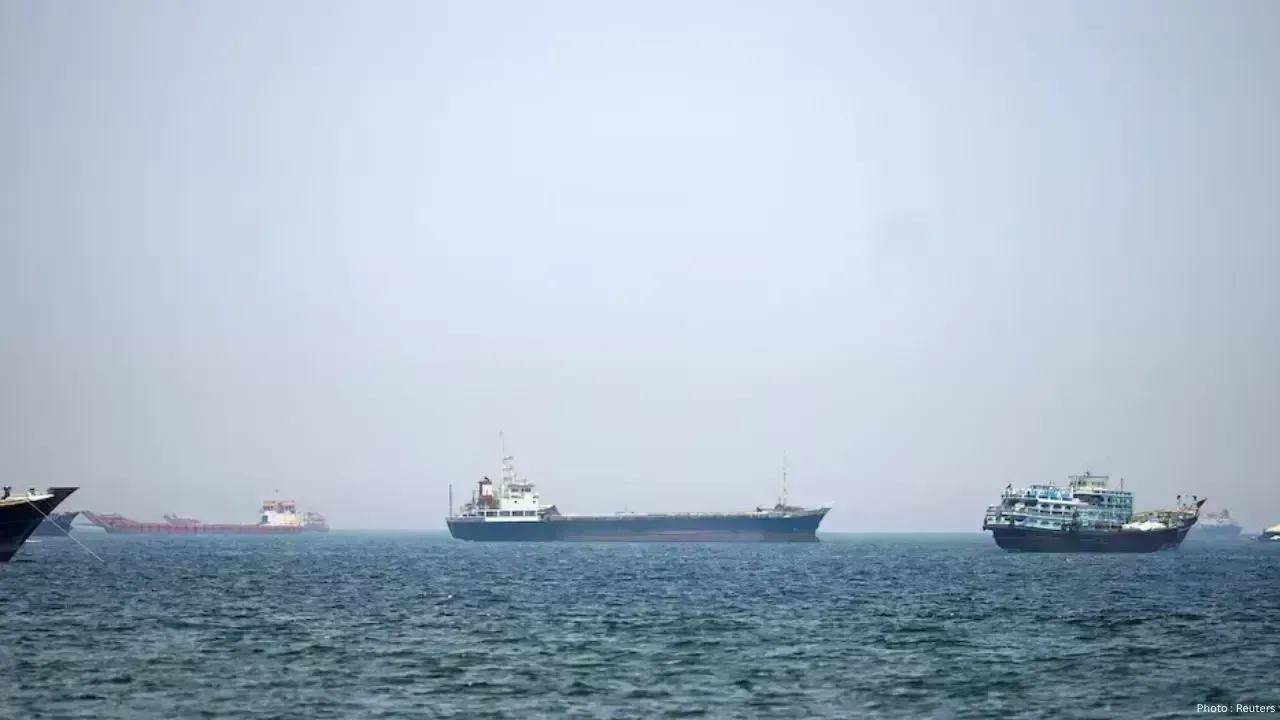
If the US moves forward with an extended blockade or enacts stricter sanctions, it risks further hindering Iran's participation in global trade and access to financial institutions. Such steps could exacerbate the nation's economic troubles, affecting trade dynamics and currency valuation.
Despite these pressures, Trump's push for a deal signals that diplomatic avenues are still under consideration. Engaging in negotiations is often viewed as a more sustainable approach than increasing sanctions, as it may de-escalate tensions and foster collaborative efforts.
However, reaching a consensus is fraught with challenges. Diverging objectives and a history of mistrust complicate the negotiations, as previous agreements have struggled to hold. This renders current dialogues even more intricate and protracted.
The ramifications of this standoff extend beyond bilateral relations. Iran is a significant player in Middle Eastern geopolitics, and escalating tensions can ripple through neighboring nations and impact global stability. Developments in this arena frequently sway energy markets and affect security protocols.
Economic sanctions and blockades can drastically alter daily life in affected nations, leading to inflation, shortages, and financial hardship. Proponents of these methods argue that they are essential for prompting policy shifts, while opponents contend they disproportionately harm civilians.
The ongoing debate between coercion and conversation continues to shape the landscape of international relations. Many global conflicts embody this dynamic as nations strive to strike a balance between enforcement and dialogue.
Ultimately, the choices made in these negotiations have tangible effects on citizens, impacting employment, pricing, and availability of essential goods. While the current environment maintains both economic pressure and negotiation, there remains an opportunity for constructive engagement if both parties are inclined to pursue it.


 English