Post by : Mikhael
Al-Saeed
Clarified Butter: A Friend or Foe for Your Heart?
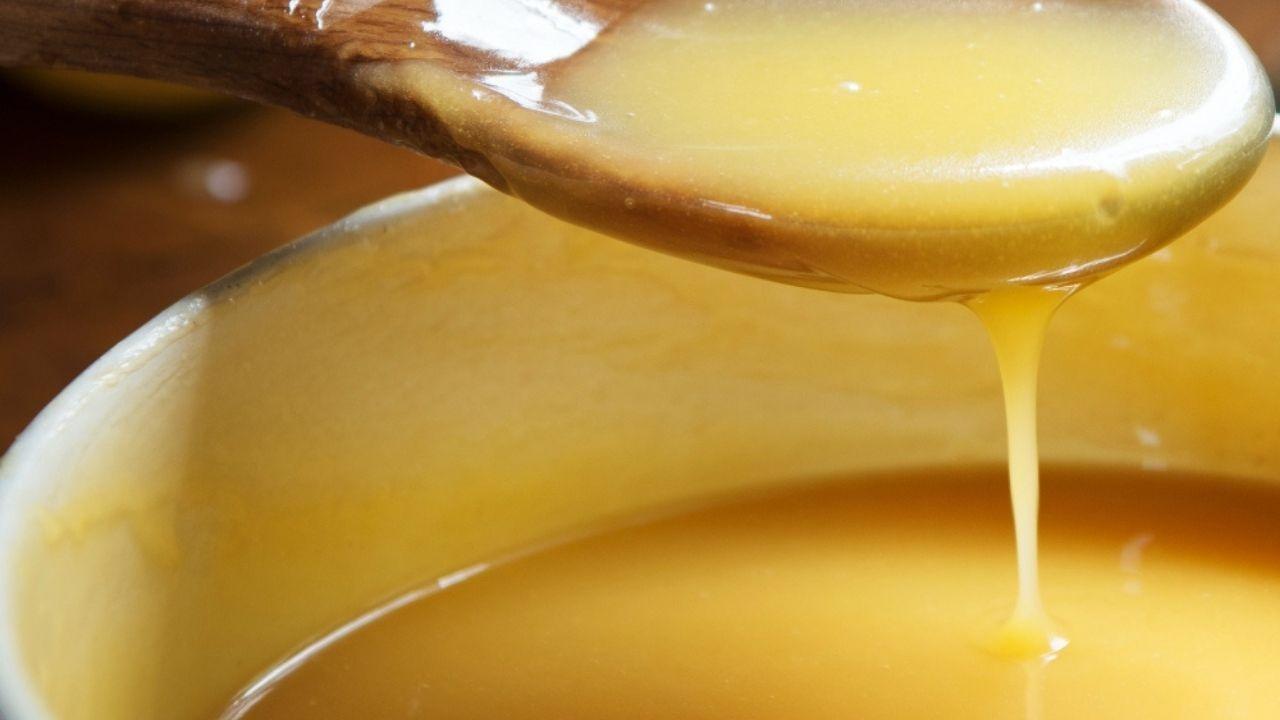
Known as ghee, clarified butter has been a beloved ingredient for ages, particularly in Indian cuisine. By melting butter to remove milk solids, it yields pure butterfat, celebrated for its flavor and purported health benefits. Yet, many question its impact on heart health. Let’s delve into the facts.
Ingredients in Clarified Butter
Primarily composed of fat, clarified butter contains both saturated and unsaturated fats, but its saturated fat content is noteworthy. Saturated fats can elevate LDL (low-density lipoprotein) cholesterol, often termed as “bad” cholesterol. Elevated LDL levels can contribute to arterial plaque, raising heart disease and stroke risks.
On the upside, not all fats share the same effects. Clarified butter is rich in vital nutrients such as vitamins A, D, E, and K, essential for immune health and bone wellness, in addition to butyrate—an anti-inflammatory short-chain fatty acid.
Impact of Clarified Butter on Heart Health
Saturated Fat and Cholesterol:
The concern surrounding clarified butter largely stems from its saturated fat levels. Although linked to increased LDL cholesterol, some benefits may be found in clarified butter as it contains butyrate, known for its potential to moderate inflammation and cholesterol. Studies hint that butyrate might lower heart disease risk.
Beneficial Fats Found in Clarified Butter:
In addition to saturated fat, clarified butter includes monounsaturated and polyunsaturated fats—both helpful for heart health. These fats can enhance HDL (high-density lipoprotein) cholesterol, often labeled as “good” cholesterol, possibly mitigating the detrimental effects of its saturated fat content.
Anti-Inflammatory Qualities:
Inflammation significantly contributes to cardiovascular issues. Some studies indicate that clarified butter may have anti-inflammatory effects attributed to butyrate. By minimizing inflammation, clarified butter could lower heart disease risk.
Clarified Butter in Traditional Diets
In various traditional diets, clarified butter is used in moderation alongside heart-healthy foods, such as fruits and whole grains. Here, it acts more as a cooking fat than as the main fat source. The focus is on balance—incorporating clarified butter as part of a diverse diet ensures healthy fat intake.
Clarified Butter Compared to Other Fats
While it contains more saturated fat than some oils, clarified butter has a higher smoke point, which reduces the risk of harmful compounds developing during cooking at high temperatures. This makes it a safer option than oils like vegetable oil, which degrade more quickly when heated.
Nonetheless, moderation is vital. Though clarified butter is suited for high-heat cooking, it should still be used judiciously and complemented with other heart-healthy fats.
Clarified Butter and Heart Disease Risks
Opinions vary among experts regarding clarified butter. Some advocate for limiting its use due to saturated fat, while others assert that moderate consumption poses minimal heart disease risk for the majority. Studies reveal that substituting clarified butter for processed oils or trans fats can yield neutral or positive heart health outcomes.
Safe Consumption Guidelines for Clarified Butter
To incorporate clarified butter healthily, moderation is essential. Generally, one to two teaspoons per day suffice to enjoy its nutritional perks without risking excess saturated fat. Pair it with a variety of fruits and grains, avoiding too much fat intake overall.
Heart-Healthy Alternatives to Clarified Butter
If you’re wary of the saturated fat in clarified butter yet desire its unique flavor, several heart-friendly alternatives are available:
-
Olive Oil: Packed with monounsaturated fats, it effectively lowers LDL cholesterol and lessens cardiovascular disease risks.
-
Coconut Oil: Also high in saturated fat, it may positively impact heart health when consumed moderately due to its unique fatty acid profile.
-
Avocado Oil: Loaded with monounsaturated fats, this is another excellent substitute for cooking and dressings.
Is clarified butter good or bad for your heart? Ultimately, moderation is key. It supplies beneficial fats and nutrients that can aid health if consumed sparingly. While its saturated fat could elevate cholesterol, it also has anti-inflammatory benefits and supports gut health.
Concerns about heart disease or cholesterol suggest using clarified butter sparingly within a balanced diet. Emphasize fruits, vegetables, and whole grains, and consider heart-healthy oils for cooking. Achieving balance is vital for heart health, and when used wisely, clarified butter can complement a nutritious diet.
Always seek advice from a healthcare provider or nutritionist for tailored guidance on heart disease or cholesterol management.
Disclaimer
The content here serves to inform and not as medical guidance. Always consult healthcare professionals before altering your diet significantly, especially if you have health issues like heart disease or high cholesterol. Nutritional needs differ, and health professionals can offer personalized recommendations.


 English