Post by : Shweta
Global financial markets experienced a vigorous response after Iran declared the reopening of the Strait of Hormuz for commercial oil shipments. This announcement led to a steep decline in oil prices and a pronounced rally in stock exchanges throughout the United States and Canada.
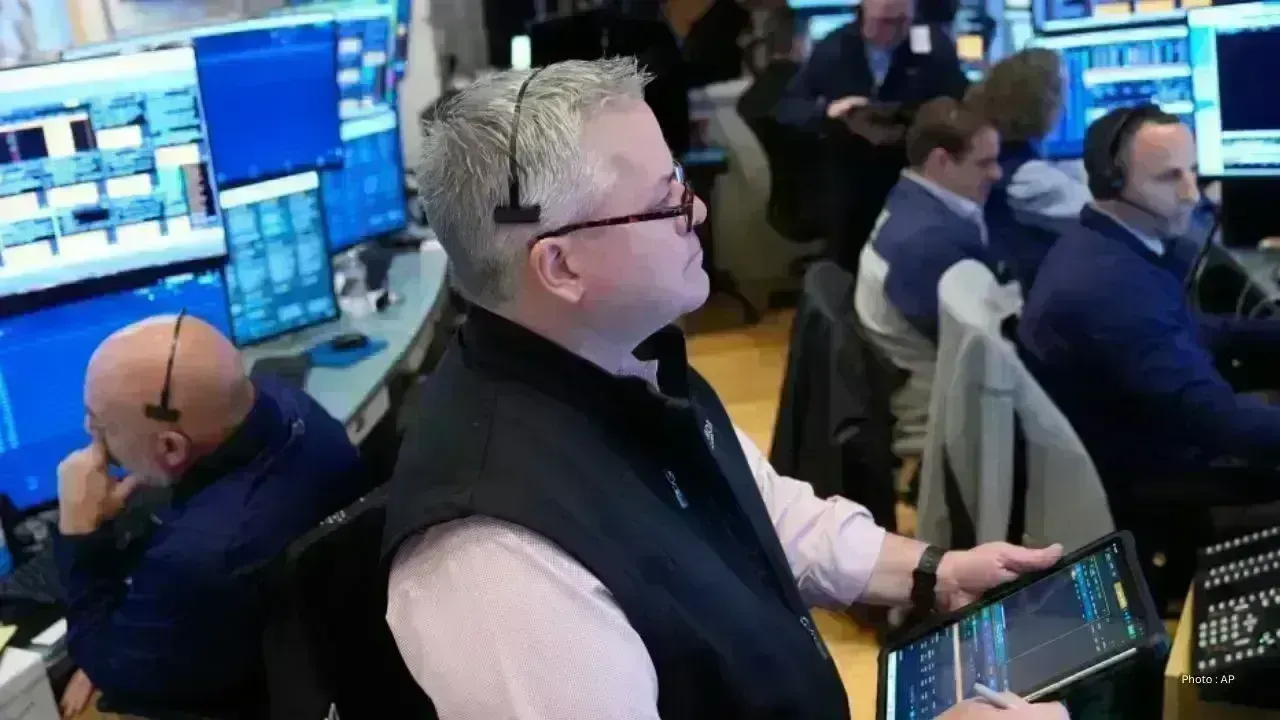
In the U.S., key stock indexes enjoyed considerable growth. The S&P 500 surged by 1.2 percent, achieving a new record high, marking its third consecutive week of upward movement. The Dow Jones Industrial Average soared as much as 1,100 points during the session before finishing up 868 points; concurrently, the Nasdaq Composite advanced by 1.5 percent.
Canada's S&P/TSX Composite Index also experienced substantial gains, closing up by 294 points. This upward trend signals a rise in investor confidence as worries regarding oil supply interruptions seem to diminish.
Following the announcement, oil prices dropped significantly. U.S. crude fell approximately 9.4 percent, settling at $82.59 per barrel, while Brent crude saw a decline of 9.1 percent, landing at $90.38 per barrel. This reduction in oil prices could lower expenses for fuel, transport, and goods, potentially alleviating global inflation concerns.
The Strait of Hormuz, situated between Iran and Oman, is essential for global oil transportation, accounting for nearly 20 percent of the world's oil supply. Its reopening comes after a period of heightened tension related to the ongoing conflict in the area. This news raises hopes for stability, although uncertainties persist.
Market analysts appreciated the announcement but caution that the recovery in shipping operations may be gradual. Concerns regarding safety and insurance could hinder the swift resurgence of regular traffic through the strait, even as it is declared operational.
The drop in oil prices has also benefited companies that heavily depend on fuel. Airlines and cruise lines recorded notable increases in their stocks, as reduced fuel costs enhance their profitability. Additionally, robust earnings from major corporations have bolstered stock market performance.
Despite the positive outlook, experts warn that markets remain vulnerable to developments in the region. Past indications of de-escalation have often reversed swiftly, impacting stock and oil price volatility.
In summary, the reopening of the Strait of Hormuz has granted relief to global markets, yet investors remain vigilant for any emerging risks or changes.


 English