Post by : Anis
Al-Rashid
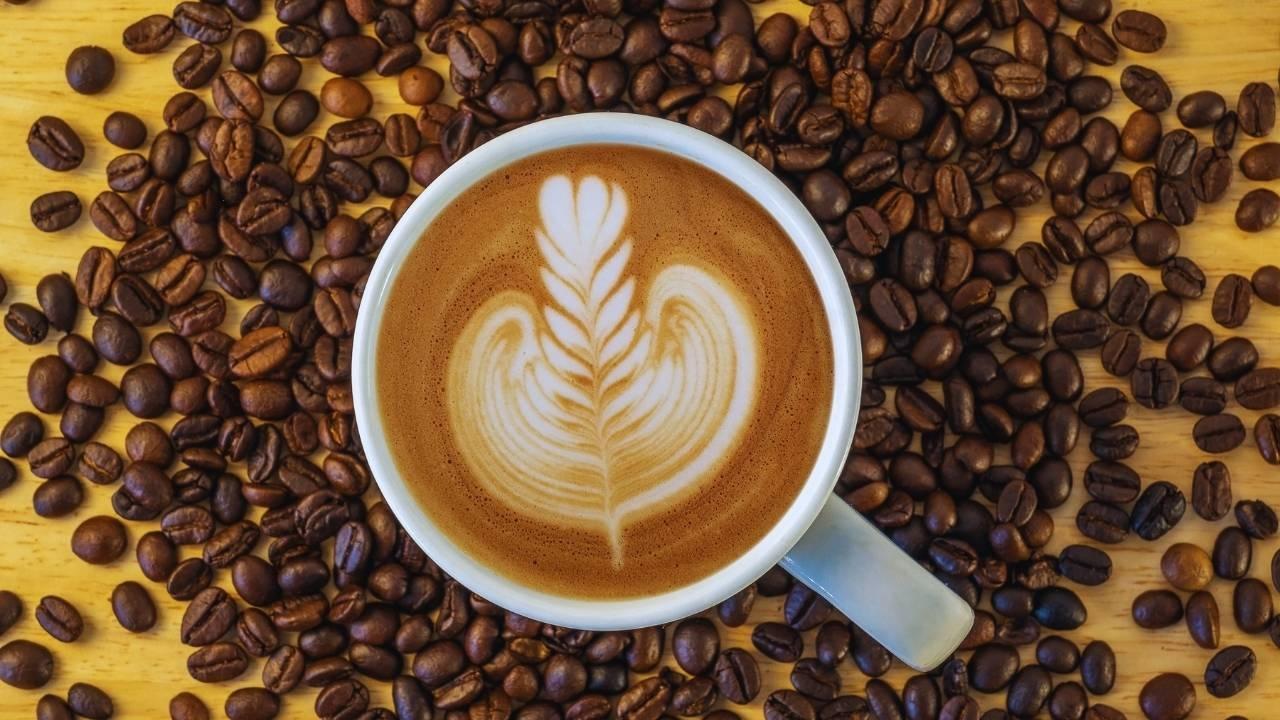
Coffee has moved beyond a simple morning drink. In 2025 many cafés are pairing specific beans with complementary snacks and flavoured milks, turning a cup into a considered experience. The question has shifted from “which roast?” to “which pairing?” — and menus now guide customers toward curated combinations.
Several forces drive this change: social media visibility, demand for novelty, growth in specialty coffee and a commercial push to make coffee part of a lifestyle offering. Below we outline which pairings are rising, why cafés and baristas are testing them, consumer response, regional patterns (with emphasis on the Gulf), and angles for writers covering the trend.
Why Coffee Pairings Are Gaining Momentum
Consumer appetite for novelty and customization
Younger consumers in particular expect choices that feel personalised and visually appealing. Instead of a basic order, customers increasingly seek distinctive flavour combinations that photograph well. Cafés respond with curated pairing options — for example, fruity single-origin brews matched with light pastries or spiced lattes paired with bakery items.
Specialty coffee: raising flavour awareness
With more drinkers moving to specialty beans, awareness of acidity, sweetness and origin is rising. That lets baristas recommend taste-appropriate matches — for instance, a citrus-toned Ethiopian coffee suggested alongside a lemon pastry — so the pairing enhances rather than conceals bean character.
Café culture & social media aesthetics
Presentation and shareability are part of the calculus. Pairings that look compelling on camera help amplify trends: a pistachio latte or a flavour-infused plant milk poured with care becomes content and spreads quickly on platforms like Instagram and TikTok.
Business incentive: higher margin and differentiation
Pairing menus help cafés stand out and create add-on opportunities that raise average tickets. Bundles such as “choose your pastry with this pour-over” or flavour-infused milk upgrades give operators ways to differentiate without heavy capex.
Regional adaptation & lifestyle shift
In urban centres across Asia and the Middle East, consumers expect curated experiences. Pairing menus, single-origin flights and themed coffee-and-snack sets are becoming standard, often using plant milks, local spices and nuts to localise offerings.
What Types of Pairings Are Trending
Flavoured milks and nut/seed‑based infusions
Baristas are integrating nut and seed flavours directly into milk or milk alternatives — pistachio lattes, hazelnut oat milks and similar blends — moving beyond syrups to deeper flavour integration that complements the bean.
Bean profile + food pairing (snacks, pastries, even savoury bites)
Pairing drinks with food is now deliberate. Examples include:
-
Light, fruity East African beans matched with citrus pastries.
-
Chocolatey, full‑bodied beans served with rich desserts or nut‑based slices.
-
Savoury items like spiced buns paired with robust dark roasts. Cafés map flavour profiles and recommend specific combinations, a practice already common in markets such as Australia.
Cold coffee & customised ingredient layering
Cold formats provide a flexible base for mixing flavours: cold brew, nitro and iced lattes work well with fruit syrups, adaptogens and plant milk blends. Young consumers especially expect personalised iced drinks, from pistachio‑chocolate iced lattes to berry‑accented cold brews.
Functional & flavour‑fusion pairings
Some pairings aim for wellness benefits or taste fusion — adaptogens, MCT oil, protein snacks or spice‑infused beans joined with complementary bites. Ingredients like cardamom, saffron and regional nuts are frequently used to create distinctive flavour interactions.
Thematic & heritage pairings
Cafés also use pairing to tell cultural stories: pairing Indonesian beans with local sweets or Middle Eastern coffee with date‑based desserts ties the cup to regional heritage and can deepen customer engagement.
Why Baristas Are Embracing Experimentation
Craft & Professional Pride
Baristas view pairing as an expression of craft — showcasing bean selection, milk choice and food matching. Industry competitions and forums that emphasise flavour profiling reinforce a mindset that extends naturally into pairing experiments.
Menu Innovation Pressure
Operators need regular menu updates to stay relevant. Pairings allow experimentation without major investment: they’re extensions of existing offers that can be trialled and refined quickly.
Consumer Engagement & Social Media
Photogenic, well‑paired offerings generate social media content. Baristas know visually striking presentations help drive free promotion and awareness.
Higher Ticket & Add‑On Sales
Suggested pairings increase add‑ons — a recommended muffin or pastry next to a pour‑over nudges customers toward a larger order and helps with upselling.
Adaptation to Diverse Consumer Tastes
Pairing menus allow cafés to cater to dietary preferences and plant‑milk choices, making offerings more inclusive and broadening appeal.
Regional Focus: Asia & Middle East
Asia
Major Asian cities are pushing novelty and design alongside flavour. Local pairings — matcha pastries, jackfruit treats, or regionally flavoured plant milks — are common, and preset coffee‑and‑snack sets help customers decide and share their experience.
Middle East
In Gulf markets, premium coffee culture intersects with luxury tastes: saffron or pistachio infusions, date‑based desserts and cardamom buns paired with single‑origin coffees suit brunches and social cafés. Plant milk options and chilled formats are also widely available.
Local Ingredient Integration
Both regions incorporate local produce — nuts, spices and traditional sweets — into pairing menus, creating recognisable local identities for cafés and differentiating their offers.
What Content Writers and Editors Should Cover
Story Angles
-
“How pistachio lattes moved from social feeds to café menus”
-
“Bean and pastry pairing: a new specialty café strategy”
-
“Cold coffee, custom milks and snack pairings: what younger drinkers expect”
-
“In the Gulf, coffee pairings are becoming part of premium café culture”
-
“Baristas on the front line: pairing creativity and café culture”
SEO Keywords & Themes
Useful keywords include “coffee pairing trend 2025”, “espresso and pastry pairing”, “pistachio coffee latte trend”, “café pairing menus Asia”, and “barista food and coffee pairing”. Themes to explore: novelty, craft, flavour matching, regional fusion and cold coffee formats.
Practical Content Elements
-
Interviews with baristas about pairing choices.
-
Case studies of cafés running pairing menus in the region.
-
Simple recipes or pairing suggestions for readers to try.
-
Consumer-focused pieces explaining why pairings matter.
-
Operational coverage of how cafés train staff and price pairings.
-
Visual assets: photos of paired sets, latte art and curated displays.
Challenges & Considerations
Maintaining Coffee Integrity
Pairings should not obscure the bean’s nuances. Heavy desserts can overpower light roasts, so balance is essential to preserve specialty coffee credibility.
Operational Complexity
Adding pairing options increases inventory, prep and coordination, which can complicate service during busy periods. Custom cold drinks already add workflow pressure and pairings compound that.
Cost & Pricing
Premium ingredients raise costs. Cafés need pricing strategies that protect margins without deterring customers.
Ensuring Repeatability
Limited‑time specials excite but must be repeatable and consistent if they are to become staples; otherwise customer experience may vary.
Cultural Adaptation
Successful pairings reflect local tastes: what appeals in one market may not work elsewhere, so customisation is necessary.
The Future of Coffee Pairings: What’s Next
Expect deeper integration of pairings into café operations and customer journeys:
-
Digital pairing menus: apps and POS tools that recommend coffee + snack combinations based on preferences.
-
Customer flavour education: baristas guiding guests through origin and pairing logic.
-
Seasonal & local ingredient pairings: limited sets using seasonal nuts, berries or spices.
-
Cold & functional pairings: iced formats paired with adaptogens, protein snacks or plant‑milk blends.
-
Branded collaborations: partnerships with local bakeries or snack producers for signature combos.
-
Experience extensions: pairing nights, tasting flights and brunch formats that foreground coffee and food matches.
Conclusion
The 2025 pairing trend reflects a shift toward experiences: cafés are pairing beans with complementary snacks and milks to tell flavour stories, appeal to social audiences and increase revenue. In the Gulf and broader region, local ingredients and premium infusions play a strong role. For journalists and operators, the focus should be on balance: pairing that enhances the coffee, respects the bean and remains operationally viable will succeed.
Done thoughtfully, pairing moves coffee from a quick purchase to a curated ritual — and that is changing how cafés compete and connect with customers.
Disclaimer:
This article provides editorial insight into coffee pairing trends and café practice. It is for informational purposes and not business or investment advice.


 English