Post by : Sami
Al-Rahmani
Comparing Neapolitan and New York Pizza: Flavor, Costs & Where to Enjoy
Pizza is a global favorite, yet varying styles create diverse culinary experiences. The two main styles sparking discussion among enthusiasts are Neapolitan pizza from Italy and New York-style pizza from the U.S. Although they both hinge on fundamental ingredients—dough, sauce, and cheese—the taste, texture, pricing, and eating rituals diverge significantly. This insightful examination defines Neapolitan pizza in contrast to New York pizza with an emphasis on taste distinctiveness, a cost analysis, and prime locations to try each variety.
Cultural Background and Origins
Rooted in Naples, Italy, Neapolitan pizza is recognized as the original pizza form, crafted initially as affordable street food for local workers and later safeguarded through strict guidelines to uphold authenticity. New York pizza found its beginnings with Italian immigrants showcasing their recipes in the U.S. during the early 1900s, swiftly evolving to fit American preferences, larger ovens, and a fast-paced lifestyle.
Neapolitan pizza embodies tradition, minimalism, and artistry, while New York version embraces convenience, assertive flavors, and urban dining culture.
Dough and Crust Characteristics
The crust is where Neapolitan and New York pizzas largely differ.
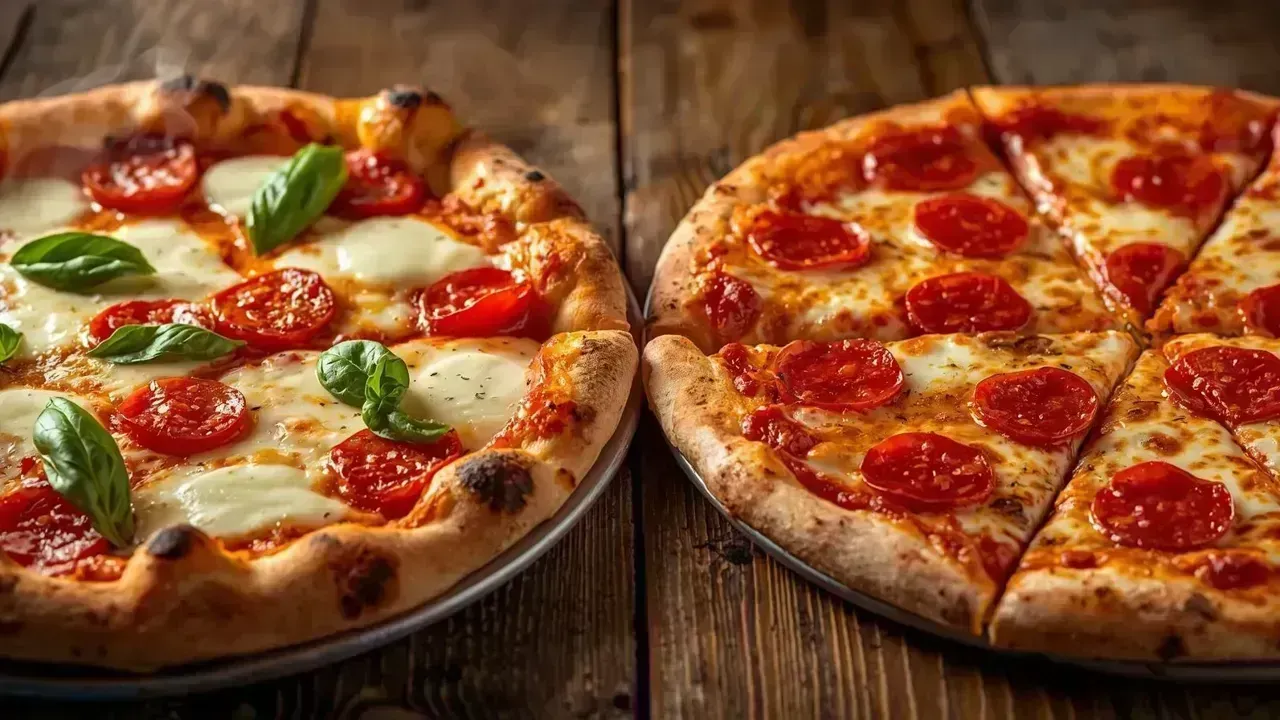
Neapolitan pizza boasts a soft, airy, and springy crust, featuring a chewy center. The edges protrude during baking, forming a lightly charred rim, known as cornicione. The center is thin and typically requires a knife and fork.
In contrast, New York pizza has a thin but resilient crust, pleasantly crispy at the base yet bendable. Its sturdiness allows it to withstand heavy toppings without faltering.
Neapolitan dough uses finely ground Italian flour, water, salt, and yeast, all fermented for superior flavor. Conversely, New York's dough may include oil and sugar, enhancing its crispness and richer taste.
Comparison of Sauce and Cheese
High-quality, uncomplicated ingredients define Neapolitan pizza. Its sauce comprises crushed San Marzano tomatoes and minimal seasoning. Fresh mozzarella, usually mozzarella di bufala or fior di latte, lightly melts and releases moisture, balancing the overall flavor.
On the other hand, New York pizza utilizes a cooked tomato sauce enriched with herbs, garlic, and occasionally sugar. Generous spreads of low-moisture mozzarella create a gooey, stretchy layer typical of classic pizza.
Neapolitan pizza offers a fresh, light taste, while New York pizza provides a more robust, saltier, and indulgent flavor profile.
Baking Techniques and Texture
Baked in wood-fired ovens at high temperatures for brief durations, Neapolitan pizza achieves charred spots, a smoky essence, and a tender interior.
New York pizza employs gas or electric deck ovens at lower thermal levels over extended periods, enabling evenly cooked slices with a crispy foundation and chewy texture.
The cooking style directly impacts texture: Neapolitan pizza is delicate and tender, while New York pizza has a hearty and defined structure.
Taste Experience Insights
Focusing on balance and ingredient quality, Neapolitan pizza allows the dough, tomato, and cheese to shine through without overwhelming flavors. Despite its soft texture, it’s easy to digest.
In contrast, New York pizza offers richness and satisfaction. With its potent sauce, ample cheese, and crisply baked crust, it delivers a filling, comforting experience, often enjoyed on the run.
Those who prefer subtle flavors and authenticity lean towards Neapolitan pizza, while fans of bold and classic tastes usually opt for New York pizza.
Sizes and Serving Styles
Typically served as personal-sized, Neapolitan pizza is often consumed entirely by one person. While smaller in diameter, its edges are thicker.
Conversely, New York pizza is renowned for its large, foldable slices ideal for casual consumption and sharing.
Neapolitan pizza is associated with dine-in experiences, while New York pizza suits quick bites and street food styles.
Costo Del Comparison: Neapolitan vs. New York Pizza
Prices fluctuate widely based on location, ingredient quality, and dining style.
In Naples, authentic Neapolitan pizza is surprising economical, often cheaper than in other cities. However, outside Italy, its authentic counterparts can command a higher price, influenced by imported ingredients and specialized oven techniques.
New York pizza maintains affordability, especially by the slice. While whole pizzas from popular spots may carry a higher price tag, individual slices often remain budget-friendly.
Ultimately, Neapolitan pizza usually comes at a premium outside Italy, while New York pizza provides greater value for quick, substantial meals.
Top Spots for Authentic Neapolitan Pizza
Nepal is home to the best Neapolitan pizza, where historic pizzerias adhere to stringent preparation policies. Various certified pizzerias worldwide strive to replicate this genuine style, utilizing wood-fired ovens and quality ingredients.
For an authentic experience, it’s best to visit establishments specializing exclusively in Neapolitan cuisine rather than those with diverse menu options.
Top Cities for Classic New York Pizza
The quintessential destination for New York-style pizza is undoubtedly New York City. Local pizzerias, typically family-owned, sell slices that carry years of tradition.
Outside its borders, many locations offer New York-style choices, but the finest versions maintain a delicate crust and generous, classic cheesy toppings.
Nutritional Aspects and Heaviness Factors
With fewer ingredients and less cheese, Neapolitan pizza is lighter and easier on digestion. Its extended fermentation duration further aids digestive ease.
In comparison, New York pizza incorporates greater amounts of cheese and oil, making it more substantial and satisfying. Each slice typically contains more calories but may appeal to heartier appetites.
Choosing Between Pizza Styles for Varied Preferences
Neapolitan pizza suits food purists, those seeking genuine Italian fare, and fans of fresh, light tastes.
New York pizza caters to casual diners, those enjoying late-night bites, and travelers in need of fast, fulfilling meals without lingering too long.
Both types are exceptional choices; however, personal taste will dictate preference rather than the inherent quality of the options.
Final Thoughts: Neapolitan vs. New York Pizza
Neapolitan pizza embodies tradition, simplicity, and refined tastes stemming from Italian culture. In contrast, New York pizza showcases bold flavors, convenience, and comfort, fitting for urban lifestyles. Neither style is categorically superior; each represents distinct philosophies in pizza creation. Sampling both varieties remains the optimum way to appreciate how one signature dish can transform into two globally recognized icons.
Disclaimer
This article serves only informational purposes. Variability in prices, recipes, and availability can occur based on location and restaurant. Taste preferences are intentionally subjective; diners are encouraged to explore various pizzerias for the best overall experience.


 English