Post by : Bianca
Haleem
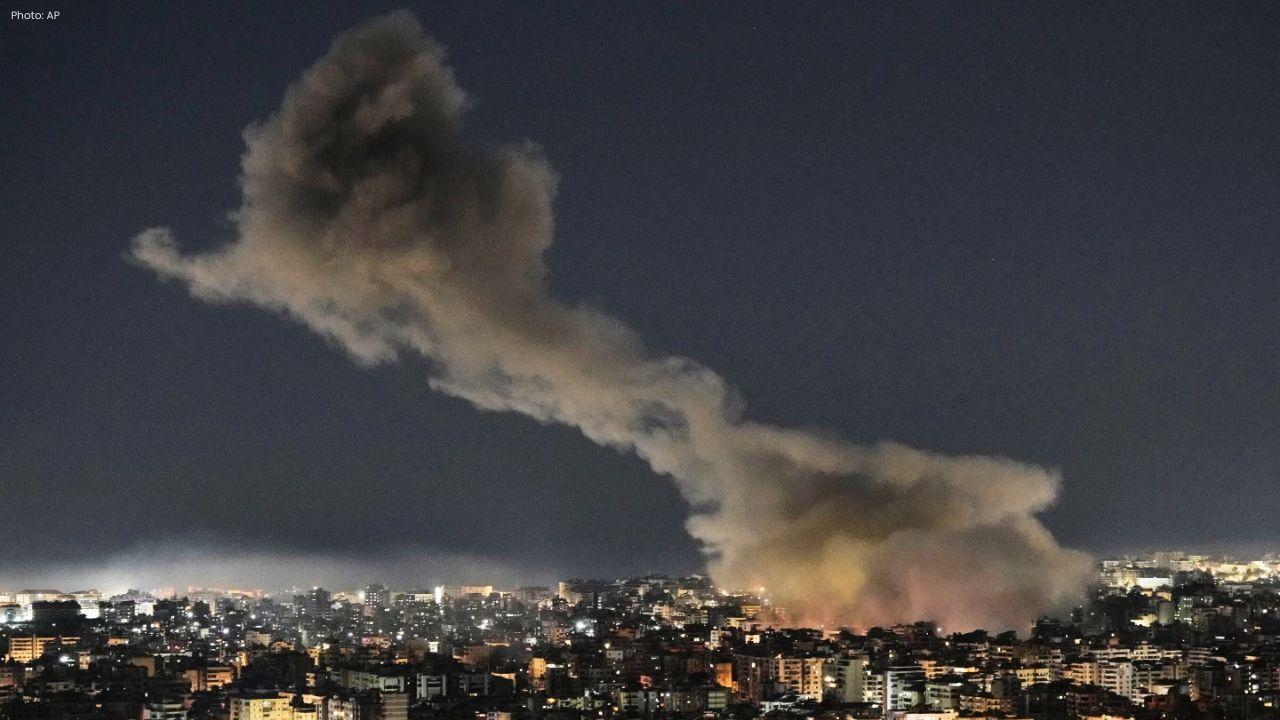
An Israeli airstrike on a health center in southern Lebanon killed 12 medical workers instantly, injured one person seriously, and left four others missing under the rubble for several hours.
The strike took place on March 13 in the village of Burj Qalaouiyah and is considered one of the deadliest attacks in Lebanon since the latest conflict between Israel Defense Forces and Hezbollah began on March 2.
The targeted facility was operated by Hezbollah’s health wing, the Islamic Health Society. According to reports, the group has lost at least 24 members in Israeli strikes over the past two weeks.
Since the conflict escalated, Israel has expanded its targets beyond military positions to include institutions linked to Hezbollah. These include health centers, financial branches of al-Qard al-Hasan, and media outlets such as Al-Manar TV and Al-Nour radio.
Israel claims that Hezbollah uses civilian facilities, including hospitals and ambulances, for military purposes. However, Lebanon’s Health Ministry has denied these allegations, stating that medical centers are not being used for armed activities.
Hezbollah plays both a political and military role in Lebanon, and its social and healthcare services are seen as key to maintaining its public support. Experts believe that Israel’s strategy aims to weaken the group not only militarily but also politically.
“This is a different kind of war,” said political analyst Hilal Khashan, adding that Israel’s goal appears to be the complete removal of Hezbollah from Lebanon’s political scene.
Meanwhile, Hezbollah leader Naim Kassem has described the situation as an “existential battle” and vowed that the group will continue fighting without surrender.
The conflict has already caused heavy damage, with more than 1,000 people reported dead and over one million displaced across southern and eastern Lebanon, as well as parts of Beirut.
The ongoing strikes have also triggered public backlash within Lebanon. In Beirut, protests forced the closure of a local al-Qard al-Hasan branch, showing growing pressure on Hezbollah from within the country.
Human rights group Amnesty International has raised concerns, stating that targeting civilian institutions linked to Hezbollah may violate international law and should be investigated as possible war crimes.
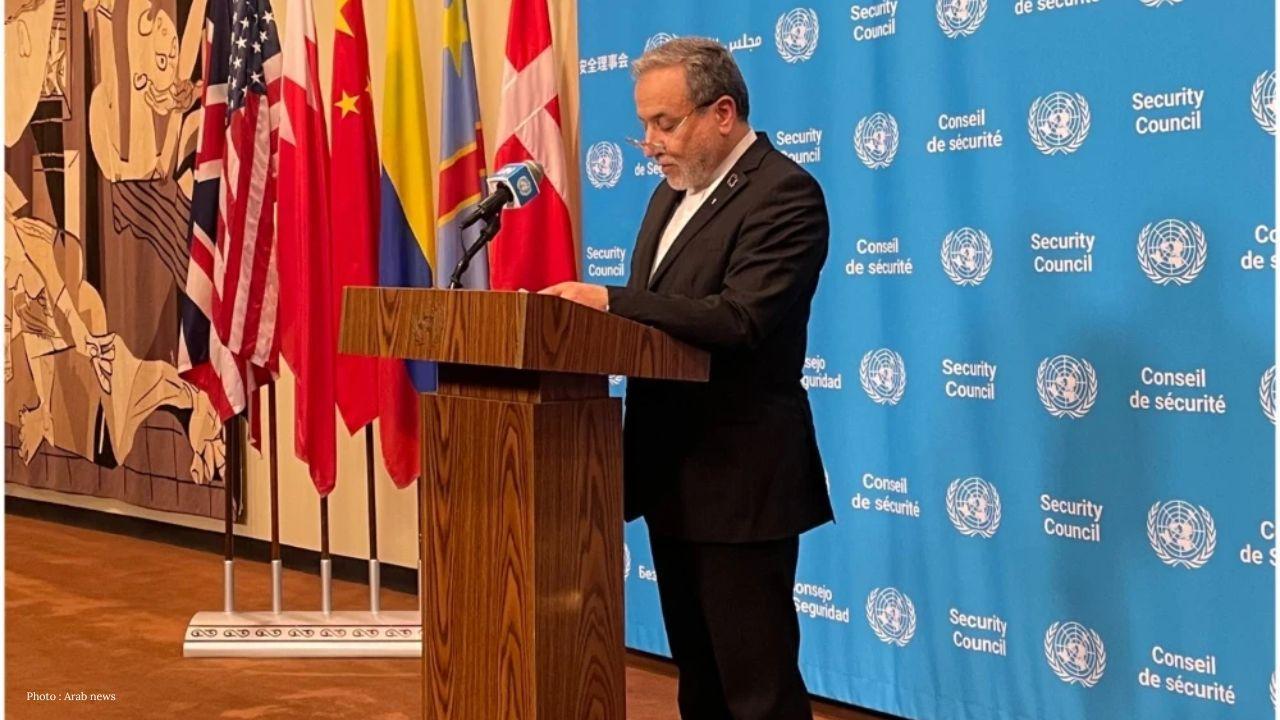
Tensions remain high as both sides continue military operations, with no clear signs of a ceasefire. Regional powers, including Iran, have also indicated that any end to the conflict must include a complete stop to fighting across all fronts, including Lebanon.
The situation continues to evolve, with fears of further escalation across the Middle East.


 English