Post by : Saif
Al-Najjar
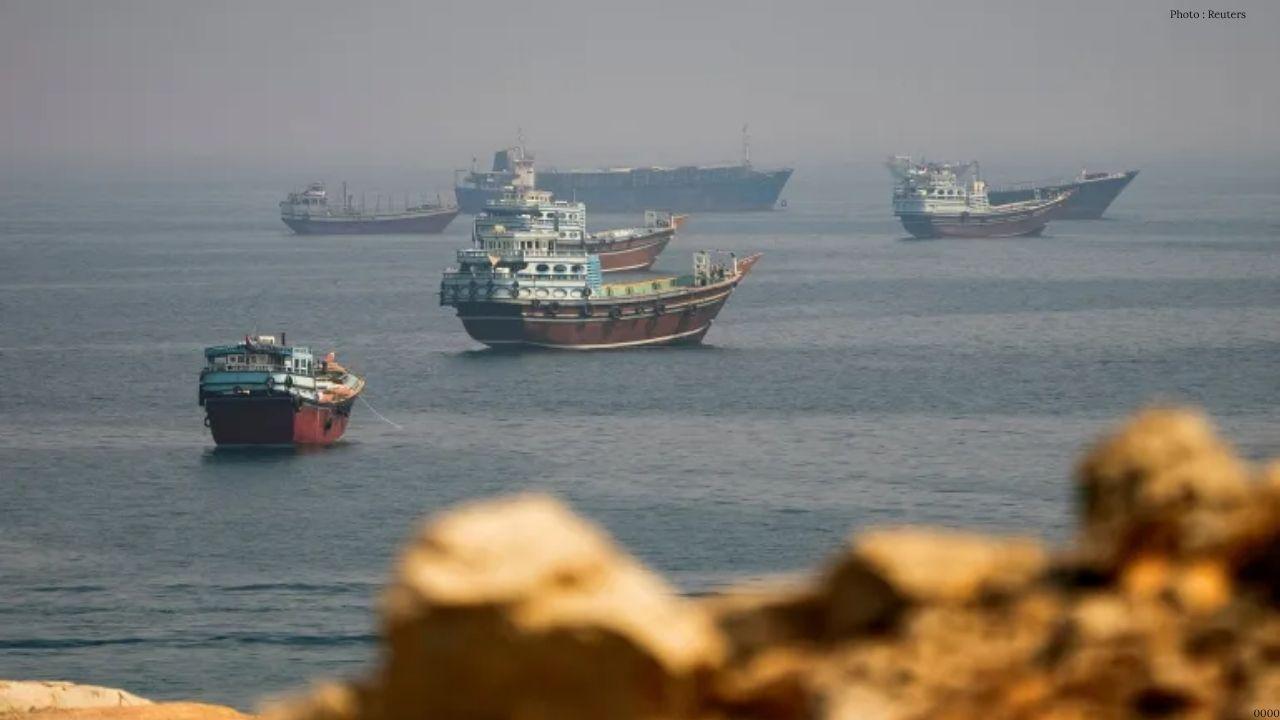
The recent U.S. strike on a Venezuelan boat suspected of drug trafficking has ignited a contentious debate both in Washington and globally. Initially a military operation, this incident has transformed into a complex evaluation of legality, morality, and political accountability. With additional details surfacing, there are growing concerns about the adherence of the United States to international laws governing armed conflict.
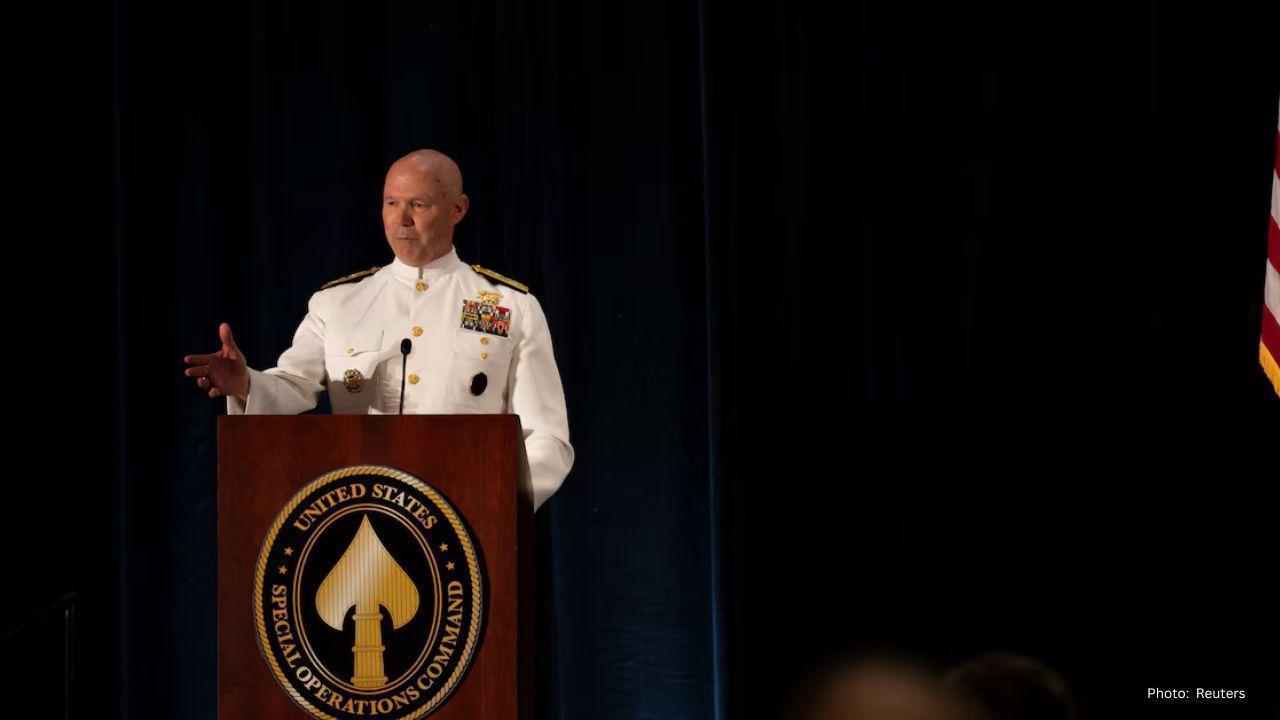
The White House staunchly supports Admiral Frank “Mitch” Bradley's actions during the September 2 strike, asserting that Defense Secretary Pete Hegseth provided complete authority for the assault on the Venezuelan vessel, allegedly linked to narcotics operations. They emphasized that the action occurred in international waters and was justified as “self-defense.”
However, the situation became even more controversial when The Washington Post disclosed that a follow-up strike was ordered after the initial explosion, reportedly aimed at eliminating two survivors on board. This revelation raised alarms among legal experts and legislators, who questioned the legality of such orders.
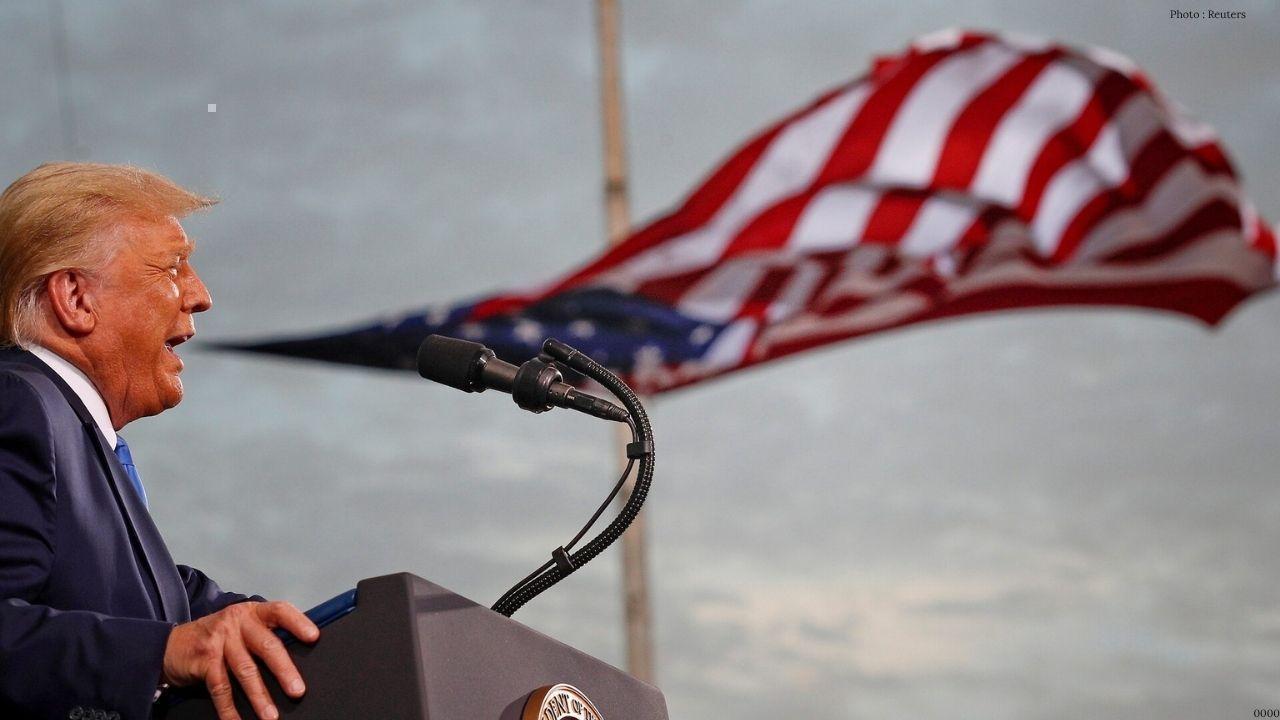
President Trump was vocal in stating he would not have approved a second attack on survivors, while Hegseth refuted claims of authorizing a kill order. Despite this, the White House maintained that Hegseth sanctioned Bradley's actions, asserting adherence to the law.
Since September, the U.S. military has conducted at least 19 strikes against potential drug vessels in the Caribbean and Pacific, resulting in at least 76 fatalities. Critics are concerned about the unclear regulations surrounding such missions, with fears that they might lead the U.S. into an undeclared war.
International humanitarian law explicitly states that individuals who are shipwrecked, injured, or incapable of fighting should not be targeted. They must instead receive rescue and medical assistance unless they show renewed hostility. Many legal scholars argue that this situation does not qualify as an armed conflict, indicating that killings beyond self-defense may constitute illegal actions.
Law professor Laura Dickinson from George Washington University clarified that the majority of experts do not consider these maritime operations as part of an armed conflict. Therefore, lethal force is only justified if there is an imminent and unavoidable threat. She cautioned that targeting survivors could potentially be classified as a war crime, even in a combat scenario.
A coalition of former military lawyers, known as the JAGs Working Group, condemned the alleged shoot-to-kill directive as unequivocally illegal, asserting that military personnel are obligated to reject unlawful commands. They stated that anyone complying with such orders should face legal action.
In spite of the backlash, Hegseth expressed unwavering support for Admiral Bradley on X, labeling him an “American hero” and backing all of Bradley's decisions regarding the September 2 operation.
This conflict arises as President Trump deliberates tougher measures against Venezuela, attributing the rampant drug problem to President Nicolas Maduro's leniency toward cartels. Maduro has countered these claims, accusing the U.S. of using drug-related allegations to legitimize military pressure.
Recently, Trump remarked that Venezuelan airspace should be considered “closed,” leaving many perplexed about what that entails, and heightening fears that the U.S. might escalate its military involvement.
Trump also confirmed discussions with Maduro, omitting specific details. Meanwhile, U.S. security officials are evaluating various strategies, including efforts to oust Maduro. Reports suggest a significant deployment of U.S. military resources in the Caribbean, indicating preparations for a more extensive mission may already be in progress.
Additionally, Reuters has indicated that Trump approved covert CIA operations within Venezuela, suggesting that intelligence operatives may currently be executing secret tasks to destabilize Maduro's administration or dismantle illicit networks.
These developments raise significant concerns regarding the trajectory of U.S. policy towards Venezuela. Prolonged strikes and ambiguous legal frameworks may lead to further incidents similar to the September attack, each provoking fresh inquiries into military conduct, accountability, and compliance with international law.
The situation demands transparency. If the U.S. aims to curb drug trafficking and safeguard its population, it must approach these matters with a commitment to human rights and international standards. The battle against illicit drugs should not morph into an unacknowledged military engagement.
Currently, Congress has pledged to investigate the incident and the greater military endeavor, a crucial move. The American public deserves clarity on the application of lethal force and whether the nation risks becoming embroiled in conflict without defined parameters.
At the same time, Maduro’s regime must also address the serious accusations of corruption and narcotics involvement, ensuring that the plight of Venezuelan citizens, suffering from severe poverty and political oppression, is not overlooked.
This incident highlights the intricate and perilous nature of global security challenges. A singular decision made at sea can fire up debates surrounding ethicality, legality, and the future of U.S. foreign policy. Washington must take careful actions, as must those steering America’s military operations. The world is closely monitoring subsequent developments.


 English