Post by : Shweta
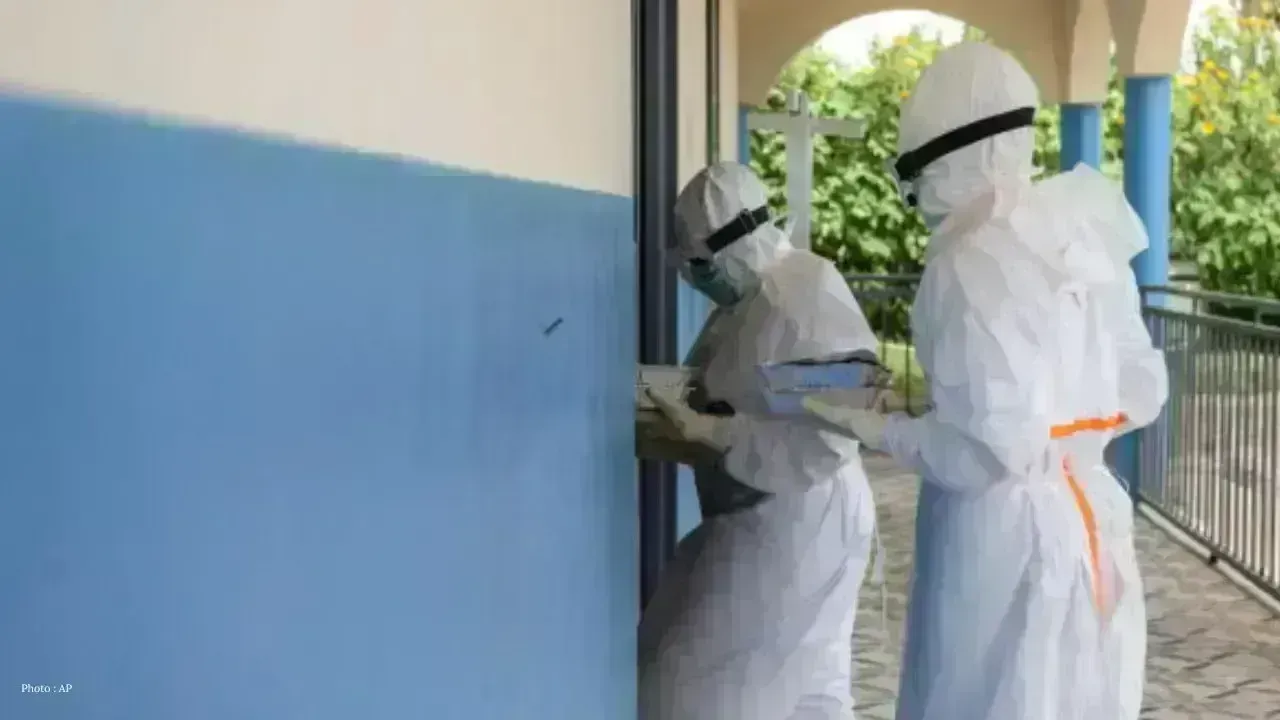
Experts have raised alarms over the latest Ebola outbreak in the Democratic Republic of the Congo (DRC), suggesting that full containment could span several years. This situation raises serious concerns regarding its long-term effects on public health, local communities, and regional stability, especially in remote areas where healthcare services are scarce and response efforts are hampered by various challenges.
The outbreak has triggered an urgent reaction from national health authorities, international organizations, and medical professionals who aim to curtail further transmission. Despite advancements in treatment and vaccination strategies, experts point to persistent factors that complicate containment, including limited healthcare infrastructure, population mobility, security issues, and the challenges of accessing affected communities.
Ebola is a serious viral disease that can spread through direct contact with infected bodily fluids or contaminated items. Symptoms include fever, extreme fatigue, muscle pain, vomiting, diarrhea, and in severe cases, bleeding. While the introduction of modern vaccines and treatments has improved survival rates, the disease remains one of the most perilous infectious threats globally.
Current assessments reveal that the outbreak poses unique hurdles, particularly because some areas are hard to reach. Underdeveloped transportation systems and insufficient medical facilities can hinder efforts to identify new cases, isolate the infected, and track those exposed to the virus. In certain localities, healthcare professionals must navigate challenging terrains to assist vulnerable populations.
Community trust presents another key issue. Public health officials have reiterated that the success of any outbreak control is contingent upon collaboration between residents and health teams. Historical precedent shows that misinformation and distrust can obstruct response initiatives. Experts highlight that cultivating strong relationships with local communities is vital for encouraging symptom reporting, treatment seeking, and vaccination participation.
International agencies have sent medical teams, supplies, and expertise to support local governments. Vaccination efforts are being intensified around confirmed cases, and contact-tracing initiatives are actively identifying individuals who have interacted with the infected. Such strategies have proven effective in previous outbreaks and are crucial aspects of the current containment response.
Experts assert that even when the number of cases starts to decline, extended monitoring periods are critical before officially declaring the outbreak over. Health officials must confirm that no hidden transmission chains remain active and that new infections can be swiftly contained. This process may extend over months or, in intricate cases, even years.
The DRC has faced multiple Ebola outbreaks over the years, having developed significant expertise in responding to such crises. However, ongoing outbreaks exert considerable strain on healthcare systems already battling other diseases and public health dilemmas.
Medical experts stress that continued international aid will be crucial in the coming months. Funding, vaccines, lab testing, protective gear, and trained personnel are all integral to controlling outbreaks and averting wider dissemination. Experts caution that without continued resources, the pace of progress could falter, potentially increasing the risk of further transmission.
At present, health authorities maintain vigilance as there is no sign that the outbreak poses a significant global threat. Surveillance mechanisms are active to monitor case developments and prevent cross-border transmission, with neighboring nations enhancing efforts to quickly detect any potential infections beyond the affected zones.
For now, health officials prioritize outbreak containment, patient treatment, and safeguarding at-risk communities. Experts emphasize that while substantial strides have been made against Ebola over the years, the current outbreak in the DRC serves as a stark reminder that infectious diseases can present long-term challenges. Their message underscores that controlling the outbreak is achievable but may take patience, resources, and years of diligent work to fully eliminate the threat.


 English