Post by : Saif
Al-Najjar
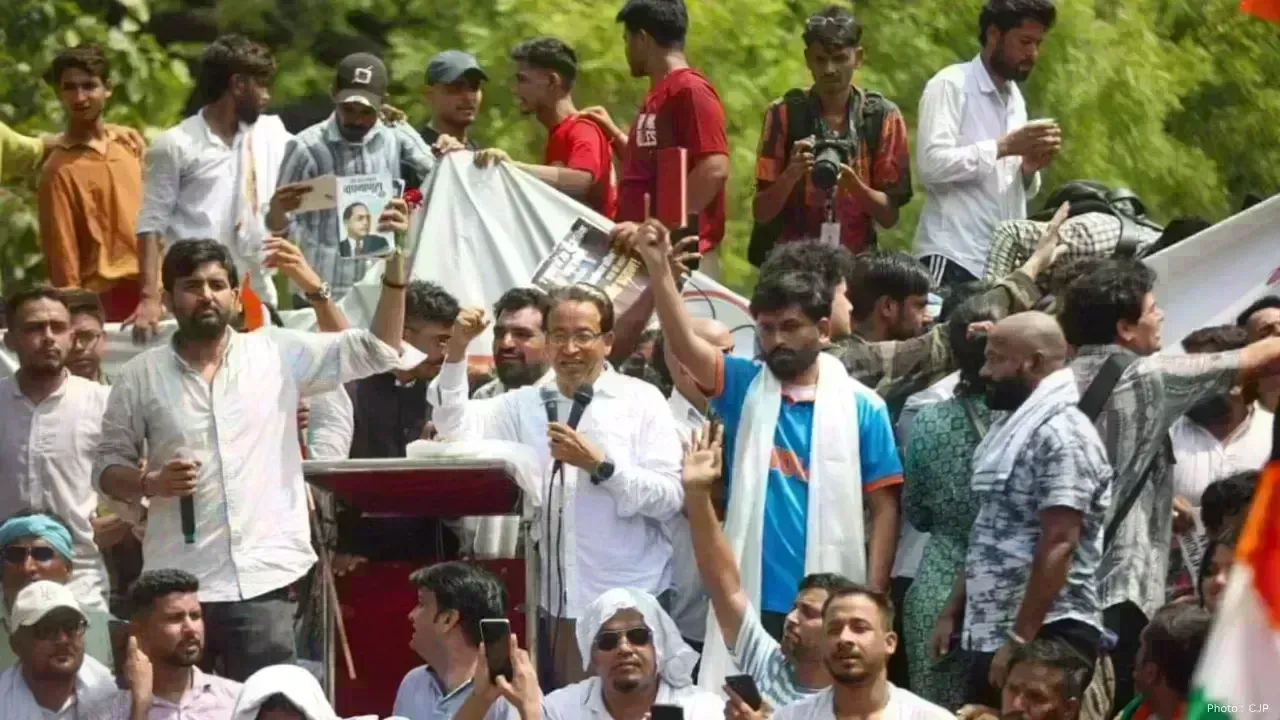
In a significant demonstration, student organizations are set to gather at Jantar Mantar in New Delhi, drawing attention to pressing concerns within India's education framework. This event, advertised under the controversial name "Cockroach Janata Party," has become a focal point for criticism regarding the handling of educational crises. Protesters are urging for accountability from the government and are specifically calling for the resignation of Union Education Minister Dharmendra Pradhan.
The rally is indicative of wider frustrations among students, who feel that urgent academic issues are being overlooked. Over the past year, conversations about exam processes, admissions, governance, and overall student welfare have ignited nationwide discussions, showcasing the need for policymakers to address these pressing matters seriously.
Jantar Mantar has long been recognized as a vital site for democratic expression, where diverse groups gather to amplify their voices and demand action from their leaders. Student factions view this venue as ideal for highlighting educational concerns affecting millions of learners and their families.
The unique naming of the protest aims to attract public curiosity, signifying organizers' dissatisfaction with ongoing issues in education. Despite the intriguing title, the fundamental emphasis remains on ensuring accountability, transparency, and responsibility within educational institutions.
Central to the protest are worries surrounding trust in educational governance. Competitive examinations play a key role in shaping students' futures in India, and controversies surrounding these assessments can lead to heightened stress for students who dedicate years to prepare. Advocates argue for stronger safeguards and transparency to bolster trust in these critical processes.
This mobilization also highlights India's youth's growing political and social conscience. Armed with various digital platforms, students can effectively rally support, share ideas, and engage in national debates. This shift indicates a rising trend of young citizens stepping into the public policy arena.
Supporters argue that public demonstrations can lead to substantial reform. Historically, peaceful civic action has catalyzed awareness around pivotal issues. By assembling en masse, protesters aim to draw attention to concerns they deem urgent.
On the other hand, government representatives assert that their ongoing initiatives aim to enhance the education sector. Officials refer to moves aimed at improving infrastructure, expanding digital resources, modernizing institutions, and broadening access to education, emphasizing that meaningful reforms require time and meticulous execution.
This divergence has ignited a vital national dialogue—students demand swift action, whereas policymakers advocate for sustained efforts. Striking a balance between public expectations and administrative consistency remains a pertinent challenge.
The ramifications of this protest could extend far beyond the immediate demands presented by its leaders. Increased public focus on education often fosters broader discussions involving stakeholders like parents, educators, experts, and government officials, which can unveil systemic weaknesses and inspire potential improvements.
Trust forms the backbone of any educational system—students put in years of hard work for their exams, and families make significant investments to support these aspirations. When issues regarding fairness arise, restoring this trust is vital for maintaining institutional credibility.
Additionally, the protest underscores the critical role education plays in national development. By preparing future leaders and innovators, institutions have far-reaching implications for the country’s long-term viability. Achieving fairness and efficiency within these systems is crucial for individual and national advancement.
As the protest progresses, the spotlight will be on how authorities address the articulated concerns. Establishing a constructive dialogue between policymakers and student representatives may be key in easing tensions and arriving at practical solutions. Open channels of communication can foster greater trust and facilitate collaboration.
The gathering at Jantar Mantar exemplifies not just a protest but an assertion of the rising demand among young Indians for accountability, transparency, and skilled management in educational settings. Regardless of the outcome, the event has positioned education policy at the forefront of national discourse, potentially influencing future reforms in India's academic landscape.


 English