Post by : Sami
Al-Rahmani
Effects of Escalating Conflict: Understanding Its Impact on Food, Fuel, and Travel Costs
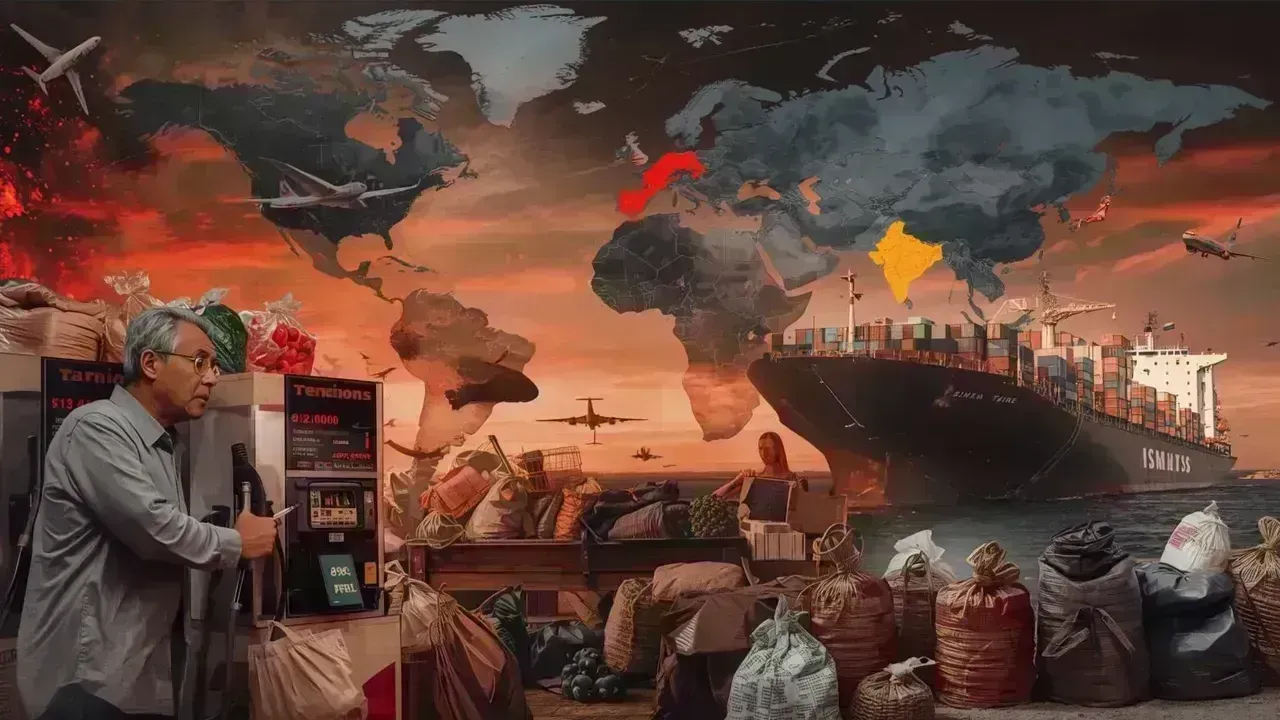
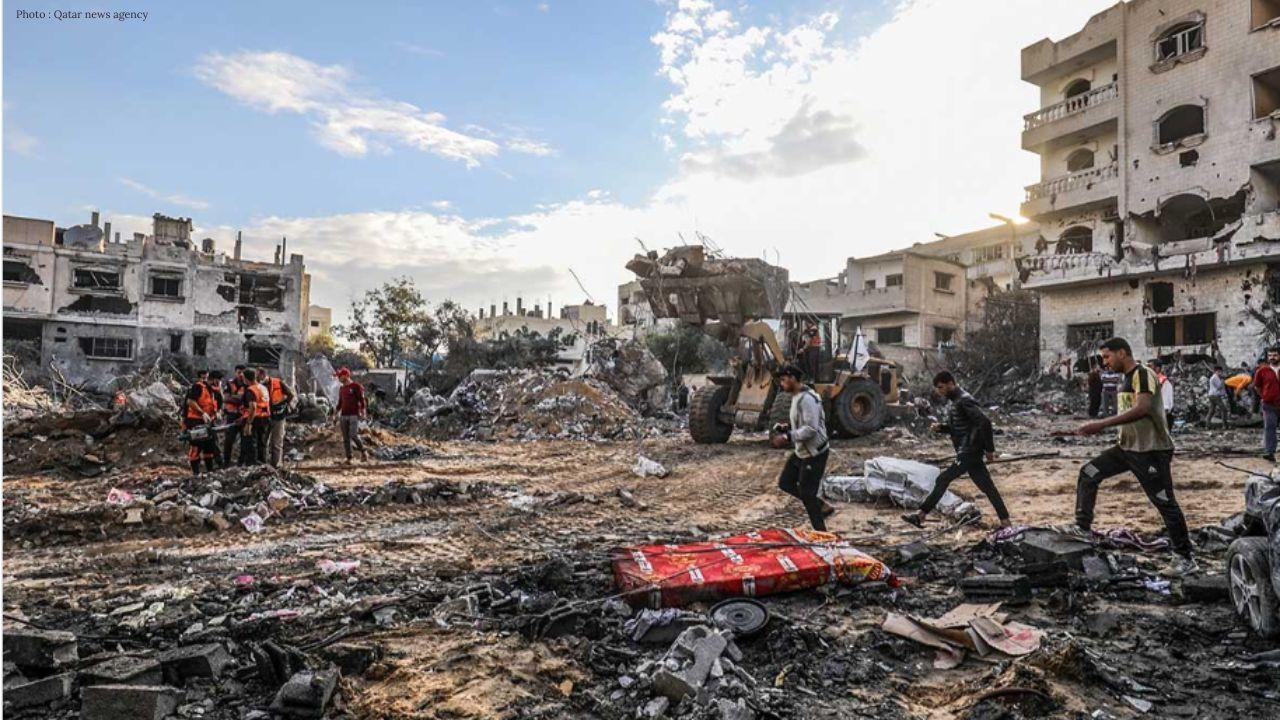
The rising tensions from ongoing conflicts are increasingly affecting civilians, extending beyond the immediate battlefields. In our interconnected world, conflicts far away can resonate locally, impacting daily routines globally. The effects are evident in surging fuel expenses, elevated travel costs, and increasing grocery bills as repercussions ripple through economies.
Recent geopolitical strife in crucial areas like the Middle East and Eastern Europe has introduced instability into global markets, resulting in confused supply chains. This unpredictability generally leads to higher prices.
Modern economies are deeply reliant on dependable global supply routes. Essential commodities—including oil, grain, and consumer goods—are moved via intricate systems of shipping lanes and pipelines. Disruptions from wars or political unrest impose stress on the entire global economy.
Thus, the ramifications of such global tensions extend far beyond troubling news headlines, influencing everything from fuel pricing and inflation to the cost of daily necessities.
Why Fuel Costs Soar Amidst Global Conflicts
One of the quickest indicators of conflict’s impact can be seen in fuel prices.
Oil markets react instantaneously to conflicts in energy-producing regions. The Middle East is a key contributor to global crude oil supply, and escalated tensions around vital trade routes like the Strait of Hormuz prompt concerns about potential supply issues.
The mere threat of disruptions can initiate a rise in oil prices.
The consequences of crude oil price hikes include:
- Increased petrol prices
- Soaring diesel expenses
- Heightened transportation costs
- Costlier shipping
Such price escalations permeate nearly every industry, as transportation costs affect a broad range of consumer products.
Countries reliant on imported oil tend to bear the brunt of these increases, facing higher expenses for energy imports.
Why Food Prices Spike During Military Conflicts
Many are caught off guard when food prices surge amid international disputes, but the link is quite pronounced.
Contemporary food systems are heavily reliant on fuel, transport, and global trade. Farms need fuel for machinery, food items are often transported in refrigerated vehicles, and fertilizers frequently tie back to natural gas.
As fuel prices rise, the costs attached to producing, transporting, and storing food escalate accordingly.
Moreover, conflicts can directly disrupt agricultural exports. For instance, wars in key grain-producing areas can tighten global food supply, leading to soaring prices for staples like wheat, cooking oil, and packaged goods.
This inflationary effect is often amplified during geopolitical upheavals, placing additional strain on families who find themselves paying more not only for fuel but essential groceries as well.
Travel Costs Rising Amidst Increasing Global Tensions
Travel expenses are yet another sector feeling the pinch from escalating wars.
Airline operations are fuel-dependent, and as jet fuel prices climb, so do airlines' operational costs, resulting in:
- Higher airfare
- Fewer discounts and promotional offers
- Increased fees for baggage and services
Additionally, airlines might circumvent conflict areas to ensure passenger safety, potentially lengthening flight times and raising ticket prices.
Shipping operators face analogous challenges. Cargo routes through volatile regions may incur delays and increased costs due to additional security and insurance protocols, which are ultimately passed onto consumers.
This means travelers, as well as individuals purchasing online goods, face rising costs across the board.
Inflation Trends Linked to Prolonged Conflicts
Extended conflicts typically usher in inflation.
Inflation represents the overall increase in prices of goods and services. During wars or periods of instability, inflation tends to climb due to:
- Surging energy costs
- Higher transportation expenses
- Slowing supply chains
- Increased operational costs for businesses
When operational costs rise, the burden falls on consumers, leading to increased spending on necessities and reduced capacity for savings.
This creates a domino effect throughout the economy—decreasing disposable incomes and slowing economic growth.
Challenges Faced by Developing Nations
Developing nations often encounter greater hurdles during times of global strife, given their reliance on imports for fundamental goods.
Countries with weaker currencies are particularly vulnerable, as rising global prices translate to higher costs for imported items.
For numerous families in these regions, the consequences manifest as:
- Increased transportation costs
- Food inflation placing strain on household finances
- Rising electricity and utility bills
- Overall increase in living expenses
Middle- and lower-income households are often greatly affected, with a disproportionate amount of their income spent on essentials.
Shifts in Daily Routines as Prices Climb
As expenses rise, individuals often modify their daily habits.
Households worldwide are:
- Using cars less
- Opting for public transport more frequently
- Postponing travel
- Reducing spending on non-essentials
- Seeking budget-friendly shopping alternatives
Businesses are also adapting, either by restructuring costs, raising prices, or avoiding unreliable supply chains.
This illustrates how global tensions gradually reshape everyday living, even for those far removed from conflict.
Prospects for Improvement
Fuel prices and inflation may stabilize if geopolitical conditions improve, restoring standard supply operations. Yet experts caution that extended conflicts or recurring crises can cause continued disruption in the global economy.
Post-conflict recovery often requires long periods to mend disrupted supply networks and restore trade confidence.
This signifies why financial markets closely observe geopolitical contexts, even from a distance.
Concluding Thoughts
Rising war tensions have shifted from distant political matters to issues that tangibly affect global daily life.
The ripple effects across fuel, food pricing, inflation, and travel costs demonstrate how intricately connected the modern global economy is. Even people far from conflict zones are experiencing disruptions in their purchasing power and financial security.
This situation underlines the interconnected nature of today's world, with developments in one region influencing transportation, purchasing behaviors, business operations, and household expenses everywhere else.
Comprehending these interrelations illustrates the significance of global tensions—not just from a political perspective, but as a major economic and personal concern as well.
Disclaimer
This article is for informational purposes only. Economic conditions, fuel prices, and geopolitical developments may change rapidly depending on international events and government policies.


 English