Post by : Sami
Al-Rahmani
Global Fuel Prices Surge Amid Ongoing Conflict
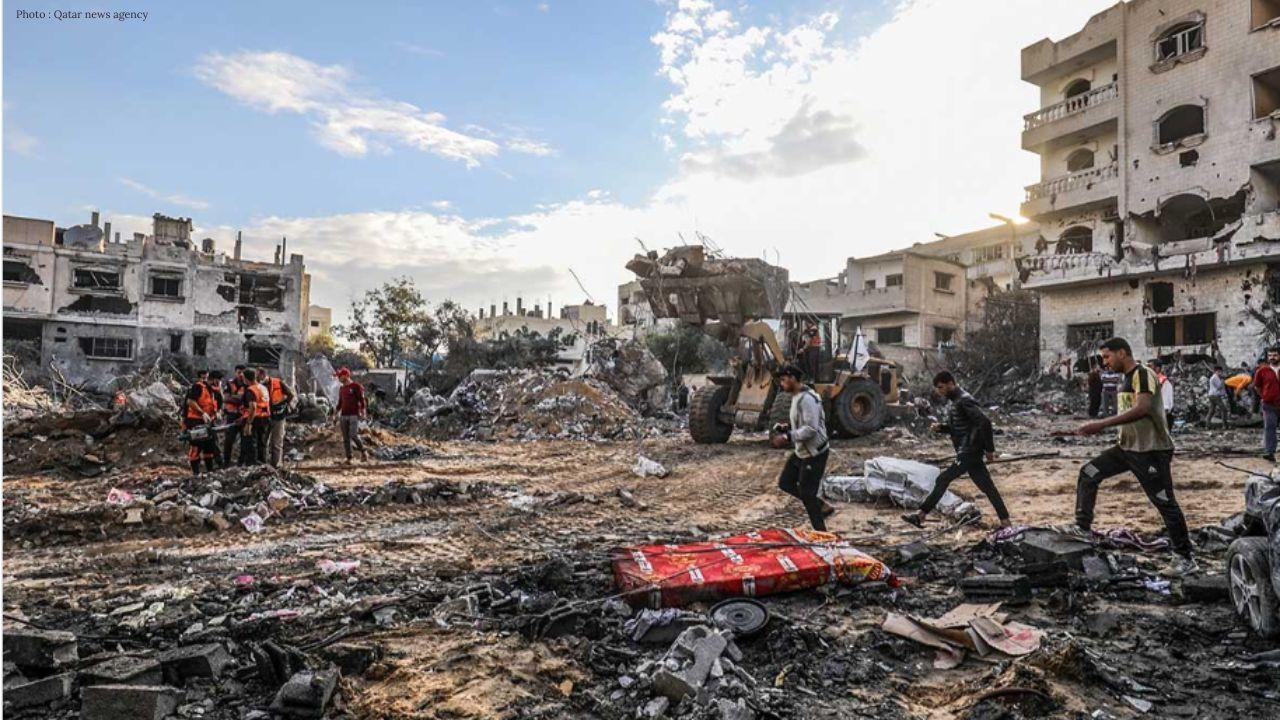
The impacts of war extend far beyond the battlefields. In a globally connected society, conflicts thousands of miles away can disrupt fuel prices, raise grocery bills, and affect daily routines worldwide.
This is precisely the situation we are witnessing right now.
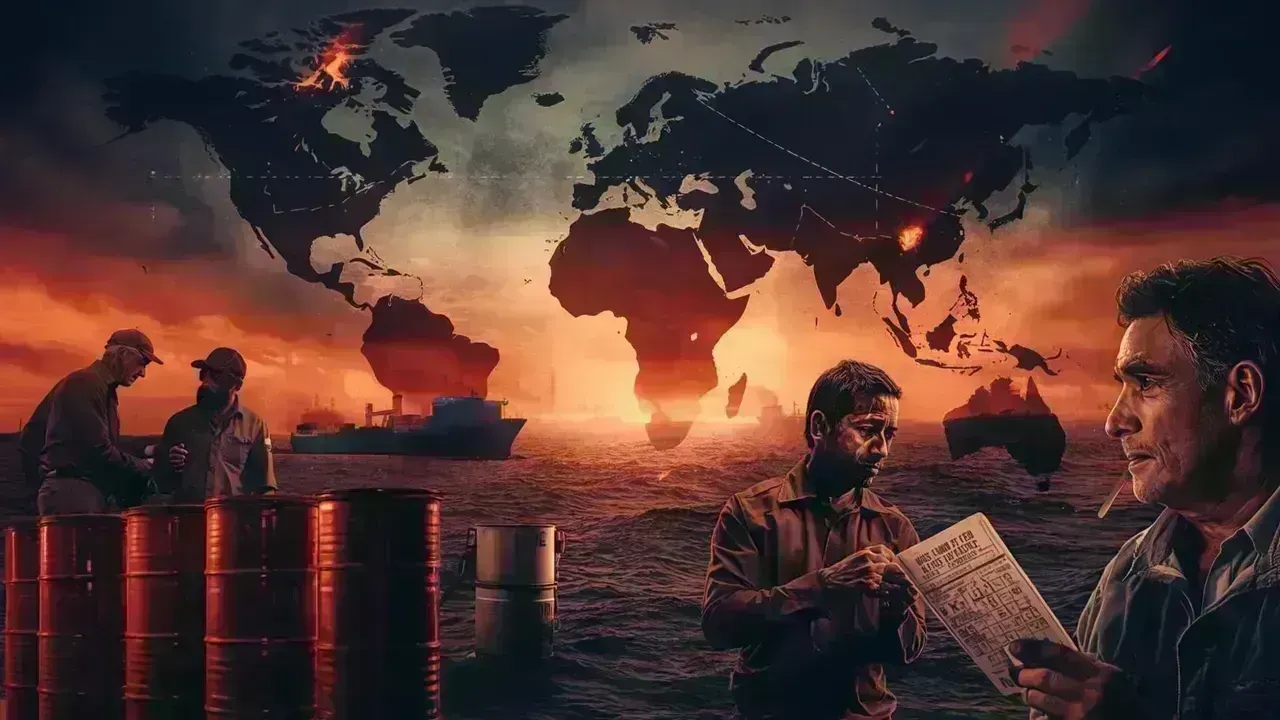
Tensions in major energy-producing areas, particularly in the Middle East, have significantly strained global oil and gas supply chains. A key concern is disruption around the Strait of Hormuz, which is vital for nearly 20% of the world's oil supply. As shipping issues, sanctions, and military conflicts multiply, oil prices have skyrocketed globally.
The repercussions of rising fuel prices ripple through nearly every aspect of our lives.
Quick Reactions in Oil Markets
The oil market is highly sensitive to uncertainty.
When conflicts surface in oil-producing regions, governments and investors anticipate supply shortages. Oil prices often escalate before any real shortages occur, driven by market speculation.
Recent conflicts in the Middle East exemplify this trend. Analysts have noted that shipping disruptions in the Gulf are leading to one of the most significant energy crises in years.
Nations reliant on imported crude oil are particularly affected, as they bear the brunt of increased energy costs when global prices rise.
Consequently, as crude oil prices climb, transportation expenses soar across the board.
Rising Costs of Fuel Explained
Fuel prices are intrinsically linked to crude oil valuation.
When global oil prices escalate, the effects are immediate:
- Gasoline prices rise
- Diesel costs increase
- Transportation expenses climb
- Shipping outlays grow
Many nations are already grappling with significant hikes in fuel costs due to this energy crisis. Several economies have reported sharp increases since disruptions in the Middle East began.
Governments have attempted to mitigate the impact through subsidies or tax reductions, yet the pressure persists globally.
Everyday Life Under Higher Fuel Prices
Rising fuel costs affect more than just drivers; they have broader implications for everyday products and services.
When transportation costs rise, businesses face increased expenses to deliver goods from production facilities to retail outlets. These costs are ultimately passed on to consumers.
This results in higher prices for:
- Groceries
- Food delivery services
- Taxi and transport fares
- Air travel
- Online shopping deliveries
Economists predict that escalating energy prices are driving inflation rates higher across multiple economies.
For many families, this raises pressures on their monthly budgets due to increased costs for essential items.
Food Prices and Their Connection to Fuel Costs
A critical yet often overlooked consequence of rising fuel costs is its relation to food prices.
Modern agricultural practices rely heavily on fuel for:
- Farming machinery
- Transportation of goods
- Production of fertilizers
- Cold storage facilities
As fuel prices soar, the entire process of farming and distributing food becomes more expensive. Experts warn that fertilizer and food prices may continue to rise if current conflicts persist.
Even non-drivers will notice rising oil prices when shopping for groceries.
Impact on Air Travel and Shipping Costs
The airline and shipping sectors are among the most affected during fuel crises.
Jet fuel costs have sharply increased recently due to supply disruptions and volatility in oil markets. Analysts indicate that aviation fuel prices have surged due to war-related repercussions.
This has led to:
- Higher air ticket prices
- Increased shipping delays
- Soaring global trade expenses
Businesses bringing in goods from abroad are experiencing higher logistics costs, which further elevate retail prices.
Why Developing Nations Face Greater Risks
Less economically stable nations often bear the brunt during global fuel challenges.
Countries reliant on imported oil face heightened financial strain as they need to spend more foreign currency on energy. Nations with weaker currencies and high inflation are particularly susceptible.
For instance, India imports a large percentage of its crude oil, making it highly vulnerable to fluctuations in global prices. Prolonged energy increases could adversely affect inflation, economic growth, and consumer spending.
Low-income households are typically the most affected, as fuel and food comprise a significant portion of their budgets.
Wider Implications for Governments
Rising fuel costs don't just impact families; they pose significant challenges for governments as well.
Higher energy expenses can:
- Trigger inflation increases
- Slow economic growth
- Reduce disposable income
- Increase costs in transportation and manufacturing
International organizations like the IMF and World Bank have cautioned that sustained conflict and energy disruptions could weaken global economic stability and fuel inflation globally.
Some economists are concerned that extended supply chain issues might push certain economies toward recession.
Shifts in Consumer Behavior
As fuel prices climb, many individuals are already modifying their habits.
- Driving less often
- Utilizing public transport more
- Minimizing unnecessary travel
- Cutting expenses in other areas
Reports reveal that rising fuel prices are disproportionately impacting lower-income families, who are altering their transportation habits due to mounting costs.
This illustrates the indirect yet profound influence wars have on everyday lives, even for those far from conflict zones.
Will Fuel Prices Ever Decline?
Fuel prices may stabilize if geopolitical tensions diminish and supply chains return to normal operations. However, experts caution that ongoing conflicts and disruptions could keep energy markets volatile for an extended period.
Even after ceasefires, rebuilding confidence in global energy markets is often a slow process. Shipping channels, production systems, and inventories can take months or years to fully recover.
This reality underscores that the economic repercussions of war can linger long after the fighting subsides.
Today’s conflicts are not isolated—they impact fuel, food, transportation, inflation, and economic stability universally.
When oil supply routes become shaky, these effects quickly spill over into daily life, raising costs for driving, shopping, traveling, and even basic necessities. For countless families, these impacts manifest not on battlefields, but in their day-to-day finances and climbing living expenses.
The current global landscape serves as a stark reminder of our interconnected economies; a disturbance in one region can reverberate through to living costs for individuals everywhere.
Disclaimer
This information is intended for educational purposes only. Fuel prices, geopolitical dynamics, and economic conditions can rapidly change in response to international events and policies.


 English